




Related Photos: PARS Headquarters Tour
PARS Ross Replaces Langness as VP of Sales and Client Relations
PARS has named Teri Ross its new VP of sales and client relations following the retirement of Terry Langness, a fleet industry veteran who will end his tenure with the company by the end of January.
by Staff
December 11, 2017
Ross
2 min to read

Ross
PARS has named Teri Ross its new VP of sales and client relations following the retirement of Terry Langness, a fleet industry veteran who will end his tenure with the company by the end of January.
Ross, PARS’ new sales and client relations VP, will be responsible for developing strategic sales plans based on company goals as well as strengthening existing customer relationships, according to a release from PARS. Ross will report to Lori Rasmussen, PARS president and CEO.
Ross has over 20 years of experience in business development, strategic planning, sales and marketing, contract negotiations and project management within the fleet industry, according to a release from PARS. Meanwhile, Langness is a 40-plus-year fleet industry veteran who began his career in various leadership positions with Gelco Corporation and GE Capital Fleet Services.
"In her career, Teri has shown an extraordinary ability to build successful teams that consistently achieve company goals and deliver impeccable service in several different fleet service company settings. Her unique fleet-specific skill set includes fleet service operations, account management, project management, and consultative services,” said Rasmussen.
Ross joins PARS after 10 years with LeasePlan USA, where she served as vice president of client services. Prior to that, she directed marketing and sales for a vehicle transport company, according to release. She is an active member of NAFA, AFLA and AALA.
Langness has been involved with AFLA for a number of years, serving on its Board as Director-at-Large, Education Committee chair, the golf chair and member of the Sponsorship and Membership committees. He won the AFLA President’s Award in both 2010 and 2011. He has also been active in NAFA on both the national and chapter levels.
More Operations

Slate Debuts Colorful, Unique EV Models
A recent media and client event, studded with electric vehicles dressed up on platforms, planted a new position for the manufacturer in the wider EV market. Fleets will find cost-saving advantages.
Read More →
Element, Waymo Partner on Autonomous Fleet Operations
The multi-year agreement will support fleet management services for Waymo's autonomous ride-hailing operations, beginning in San Diego.
Read More →
Slate Electric SUV, Pickup Switchable Model Aims For Light-Duty Fleets
Everything about this EV is counterintuitive and understated, making it stand out from the crowd.
Read More →
How to Manage Conflict for Your Fleet Operations
Conflict management is becoming a core leadership skill. Here are five strategies fleet leaders should know.
Read More →
Sponsored•June 1, 2026
Turning Connected Vehicle Data Into Decisions That Matter
Fleet leaders have more data than ever, but turning that data into clear, actionable decisions remains a challenge. This white paper shows how leading organizations are using connected vehicle data to improve safety, reduce costs, and optimize fleet performance. Learn how to turn insight into action across your fleet.
Read More →
Sponsored•June 1, 2026
Cameras, Safety and Insurance: From Reactive Claims to Real-time Prevention
Commercial auto remains one of the most challenging and costly lines of coverage for fleet operators and insurers alike. Learn more about how to effectively address these issues from Onur Aksan, Enterprise Business Development Executive, Geotab.
Read More →
Sponsored•May 29, 2026
Are You Tracking Your Fleet's True Total Cost of Ownership?
Bobit Business Media surveyed 190 fleet professionals and found that while most fleets are tracking costs, fragmented systems and data gaps are keeping true TCO visibility out of reach. With rising pressure to control spend in an increasingly volatile environment, the gap between what fleets think they know and what the data actually shows is wider than you might expect. See how your peers are managing costs today and where the industry still has room to improve.
Read More →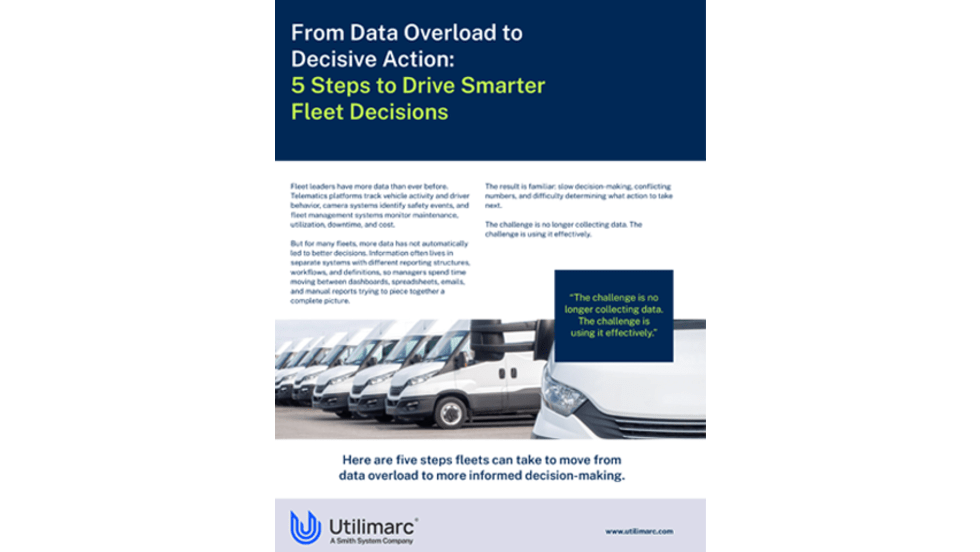
Sponsored•May 28, 2026
Turn Fleet Data Into Smarter Decisions
Fleet leaders have access to more operational data than ever, but disconnected systems and unclear metrics often slow decision-making instead of improving it. This whitepaper outlines five practical steps fleets can take to transform fragmented data into actionable insights that improve planning, safety, utilization, and long-term performance.
Read More →
Sponsored•May 15, 2026
Hybrids: Electrification Without the Challenges
For fleet managers, fuel is one of the biggest line items in the budget — and it's one hybrids can shrink without changing how your people work. Download the eBook to see the numbers, understand the technology, and get a step-by-step guide to making the switch.
Read More →
How NOV Uses Telematics to Improve Fleet Safety Across 160 Locations
James Victory of NOV discusses how the company manages fleet safety, maintenance, and telematics across more than 150 locations supporting oilfield operations throughout the U.S.
Read More →