




What’s Your Future Fleet Strategy?
While large scale deployment of autonomous vehicles won’t happen anytime soon, it’s important for fleets to formulate their game plans now.

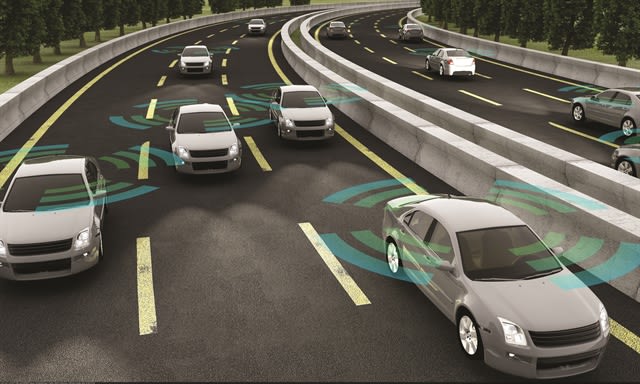
iStockPhoto.com/Karneg
The noise surrounding the development of autonomous vehicles is getting louder. We’re being told what the future looks like, but without the ability to harness the technology now, it’s easier to just turn down the volume.
Yet it’s clear that the future we envisioned five years ago is not the future we see today. In this context, Bobit Business Media has launched a new event, Fleet Forward Conference.
“As intelligent transportation systems, shared and connected vehicles, and changing public policies converge on the path to autonomous vehicles, Fleet Forward will be the nexus between traditional fleet stakeholders and the smart mobility revolution,” says Chris Brown, conference chair.
“Through curated networking and high-level education,” Brown continues, “Fleet Forward will connect new technology vendors with fleet services providers and end users with the end goal to create more efficient fleets — for the future and today.”
While autonomy is still largely a concept, fleets should be aware of emerging initiatives now — from new safety technologies and telematics platforms to the automotive Internet of Things and the federal mandate to connect all vehicles.
Automakers are now mobility service providers, and they’re developing programs that are not only for consumers but also businesses. Dealer groups are rolling out subscription-based vehicle acquisitions plans. Corporate and government fleets are harnessing carsharing technology to reduce fleet size while increasing efficiencies.
Fleet Forward is designed to educate fleet operators on how and when they can take advantage.
For some fleets, the changes will come sooner, for others, much later. Nonetheless, no matter the fleet size or type, in the words of Intel CEO Brian Krzanich, “Companies should start thinking about their autonomous strategy now.”
The inaugural Fleet Forward Conference convenes Nov. 7-8 at Hilton Miami Downtown. For more information, visit www.fleetforwardconference.com.
Originally posted on Work Truck Online
More Operations

Personal-Use Charges Rise as Vehicle Values Fall | AF News Recap
Personal-use charges are climbing, wholesale used-vehicle values are declining, and commercial fleet sales growth is slowing. This week, we're breaking down the latest fleet data, plus how Element Fleet Management is helping Waymo prepare for its first Canadian robotaxi market.
Read More →
Here's When You Should Make an Exception to Fleet Policy
Fleet policies are designed to create consistency, but not every driver or situation fits neatly within standard rules.
Read More →
AI-Native or AI-Acquired: What Should Fleet Managers Look for in an AI Platform?
Six questions can help fleet managers look beyond AI marketing claims to evaluate integration, data access, and real-world operational performance.
Read More →

A buyer's guide to fleet management software in 2027
Buying fleet management software in 2027 means looking beyond features and price. As fleet operations, technology and expectations evolve, this guide explores what today’s fleet professionals should consider when choosing a system that can deliver value now and adapt to what comes next.
Read More →
What Will Shape the Next Era of Fleet Management?
EVs, AI, and autonomous vehicles are reshaping fleet management. Discover what’s ahead—and how fleet leaders can prepare for the next era.
Read More →
How Fleets Can Recruit and Train Veterans for Technician Roles
Here's how the technician shortage has affected uptime for fleets, and what to do about it.
Read More →
Avis Budget Group Deploys Neology Toll Management Technology Across Major Brands
Neology’s neoFleet platform will manage toll transactions and toll-authority operations for vehicles across Avis, Budget, Payless, Budget Truck and Zipcar.
Read More →
Fleet Personal-Use Charges Edge Higher in 2026
Nearly eight in 10 surveyed fleets allow personal use of company vehicles, while just over half of respondents report charging employees for the privilege.
Read More →
The Future of Fleet + What’s Changing Right Now | AF News Recap
Could developments overseas offer a preview of what’s coming for U.S. fleets? This week, we’re looking at the future of AI, autonomy, and electrification, plus Ford Pro’s new certified pre-owned program, smarter vehicle offboarding, and a new way for fleets to manage toll expenses.
Read More →
How to Handle Vehicle Offboarding
What do fleet managers need to do when a driver leaves?
Read More →