




Ford Ranger Earns 5-Star EuroNCAP Crash Rating
BRENTWOOD, UK -- The all-new Ford Ranger has become the first pickup to draw a maximum five-star rating under the European New Car Assessment Program (EuroNCAP) crash test protocol.
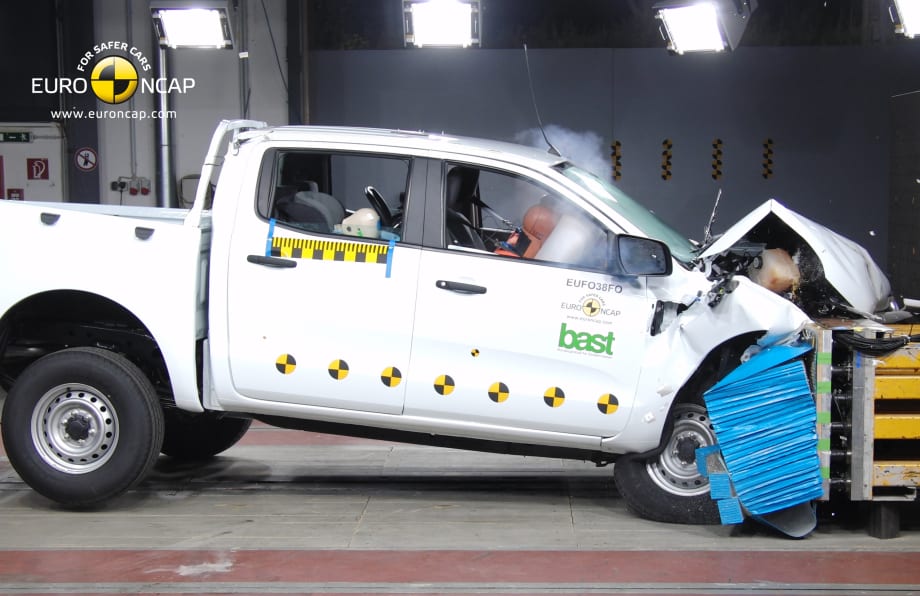
The Ford Ranger undergoes crash tests
BRENTWOOD, UK -- The all-new Ford Ranger has become the first pickup to draw a maximum five-star rating under the European New Car Assessment Program (EuroNCAP) crash test protocol.
The Ranger scored 89 percent for overall safety – the best score ever earned by a pickup and one of the highest scores recorded by Euro NCAP for any type of vehicle. Moreover, the new Ranger achieved the highest rating of any vehicle ever tested by Euro NCAP for pedestrian protection (81 percent).
"No one wants to be involved in an accident but if the worst were to happen, the new Ranger is proven to provide outstanding protection to occupants of all ages as well as pedestrians," said Stephen Odell, chairman and CEO of Ford of Europe.
Euro NCAP was established in 1997 and backed by several governments, along with motoring, consumer and insurance organizations. It is the largest and most respected independent authority on crash testing in Europe.
The Ford Ranger undergoes crash tests
Michiel van Ratingen, Euro NCAP secretary general, said: "With such good pedestrian protection, the Ford Ranger is undoubtedly raising the bar of safety in the category of pickup trucks, which had until now not proven to be the safest."
The Ranger's advanced safety protection begins with a reinforced passenger cell that uses high-strength steel throughout. Employing multiple load paths in the front, side and rear of the vehicle, crash forces are directed away from occupants. This structure, along with the all-new ladder frame, was optimized to manage the crash energy in a variety of impacts and provide protection for all passengers, Ford said.
Using computer modeling, engineers assessed more than 9,000 virtual crash tests before any of the 110 actual vehicle crash tests or 410 system sled tests were undertaken. These virtual simulations allowed the engineers to optimize the vehicle structure and safety systems, Ford said. All this was achieved before any real prototype vehicle was built and subjected to crash testing.
Side curtain airbags, standard on all Ranger cab styles in Europe for the first time, deploy from the headliner to provide a protective cushion for the head of occupants in case of a side impact. The curtain is designed to protect both rows of occupants in Double Cab and Super Cab models by covering the upper side structure and glass from the A-pillar to the rear of the passenger compartment.
New side airbags also deploy from the side bolster of the front seats to protect the thorax from side-impact forces, working in tandem with the front airbags for the driver and front passenger. A driver’s knee airbag is also standard across all models.
Other safety technologies include three-point safety belts for all seating positions, with pre-tensioners and load limiter for the front seats, as well as Ford BeltMinder technology, which helps remind front-seat occupants to wear their belts.
The Ranger has been engineered with the latest pedestrian protection features. Technologies that emerged from a global Ford research project on pedestrian-friendly vehicle designs have now been applied to a pickup for the first time. This includes a "hexageneous" under-bonnet structure to reduce the potential for pedestrian head injuries, and a pedestrian-friendly front bumper design incorporating energy-absorbing materials.
The Ranger also uses active safety and driver assistance technologies to help drivers avoid accidents. A key standard feature is the Electronic Stability Program (ESP) that uses advanced sensors to constantly monitor the vehicle's behavior and assist stability and control.
The Trailer Sway Control system monitors the behavior of the tow vehicle and trailer array to sense the advent of trailer sway and apply braking countermeasures to reduce its effects. Adaptive Load Control provides additional stability assurance for drivers dealing with heavy payloads.
When driving downhill, Hill Descent Control ensures that the brakes will be applied to control the vehicle at a set speed. Or when stopping on a steep grade, Hill Launch Assist helps the driver to pull away confidently without creeping backwards, even when fully laden.
More Safety
Managing Road Risk at Scale: Why Fleet Safety Needs a Data-Driven Framework
Insights from the FIA Road and Driver Safety Indexes reveal how to manage road risk on a larger scale.
Read More →
Stellantis Recalls 1.3 Million Jeep Vehicles Worldwide Over Fire Risk
Stellantis is recalling more than 1.3 million Jeep Wrangler and Gladiator models worldwide over a fire risk linked to power steering pump wiring.
Read More →
Coaching Is Not Training, Even When AI Is Doing It
AI-powered safety platforms can detect risky behaviors and deliver immediate feedback. But effective driver development still requires a foundation of training followed by coaching that reinforces those skills.
Read More →
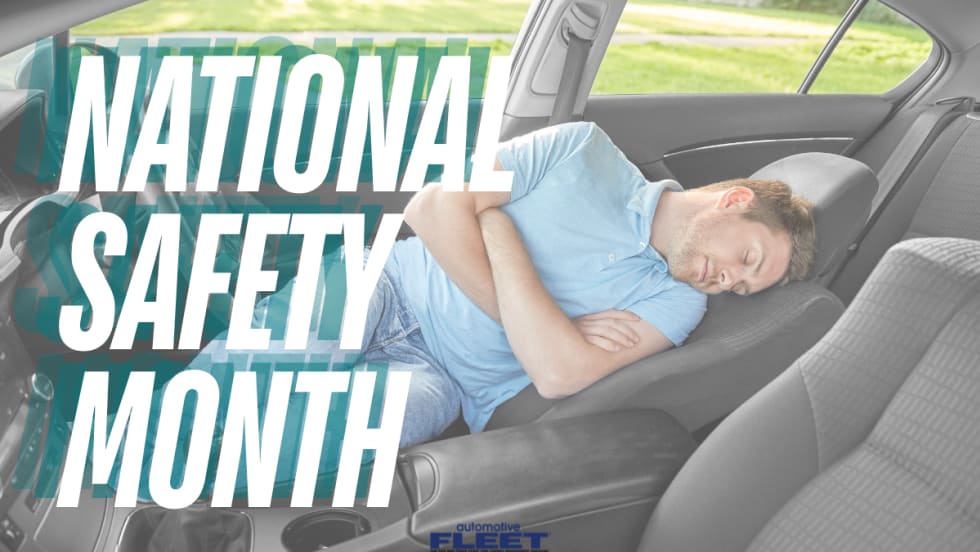
How Emotions Behind the Wheel Can Affect Fleet Safety
During National Safety Month, fleets are encouraged to look beyond distracted driving and recognize how stress, fatigue, and emotional well-being influence driver performance and crash risk.
Read More →
Nominations Open for 2026 Fleet Safety Award
Nominations have officially opened for the 2026 Fleet Safety Award Winner.
Read More →
Turning Connected Vehicle Data Into Decisions That Matter
Fleet leaders have more data than ever, but turning that data into clear, actionable decisions remains a challenge. This white paper shows how leading organizations are using connected vehicle data to improve safety, reduce costs, and optimize fleet performance. Learn how to turn insight into action across your fleet.
Read More →
Cameras, Safety and Insurance: From Reactive Claims to Real-time Prevention
Commercial auto remains one of the most challenging and costly lines of coverage for fleet operators and insurers alike. Learn more about how to effectively address these issues from Onur Aksan, Enterprise Business Development Executive, Geotab.
Read More →
NAFA Fleet Safety Symposium to Collocate With 2026 Fleet Forward Conference
The daylong certificate program will precede the Fleet Forward Conference at the Gaylord National Harbor in Maryland.
Read More →
The Distractions You Can’t Turn Off: What Drivers Face Outside the Vehicle
Fleet drivers face constant visual, cognitive, and environmental interruptions the moment they hit the road. From roadside chaos to mental fatigue and digital overload, today’s biggest driving risks often come from outside the vehicle itself.
Read More →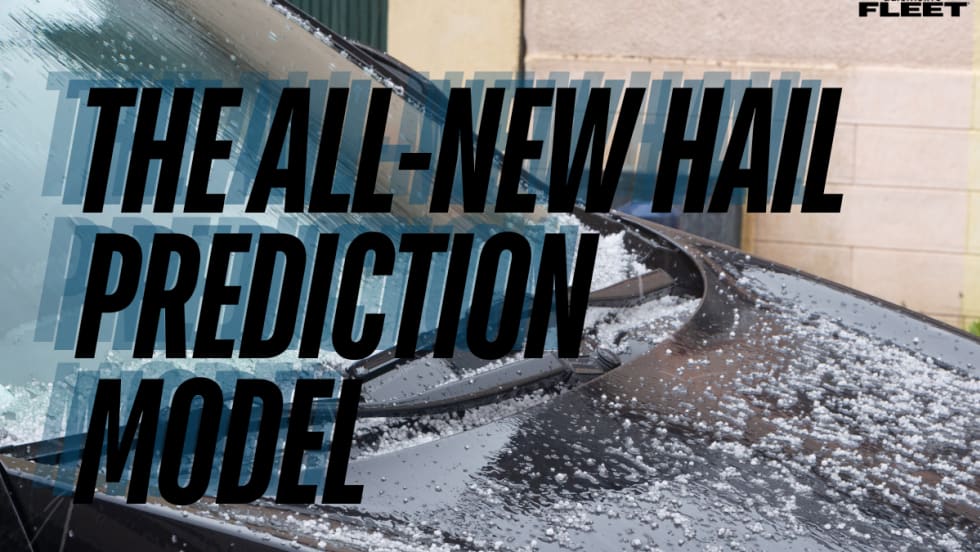
FLASH Weather AI Launches First Deep-Learning Hail Prediction Model With High-Resolution Forecasting
FLASH Weather AI has launched a first-of-its-kind hail prediction model capable of forecasting hail size and arrival time at 1-kilometer resolution up to 55 minutes ahead, giving fleets and insurers critical time to prepare for severe storms.
Read More →