




GM's 2013-MY Chevrolet Traverse Features New Safety Tech, New Exterior and Interior
NEW YORK - GM stated that the new Traverse has an “athletic” exterior design and a new front end that introduces a “new face” for Chevrolet crossover utility vehicles.
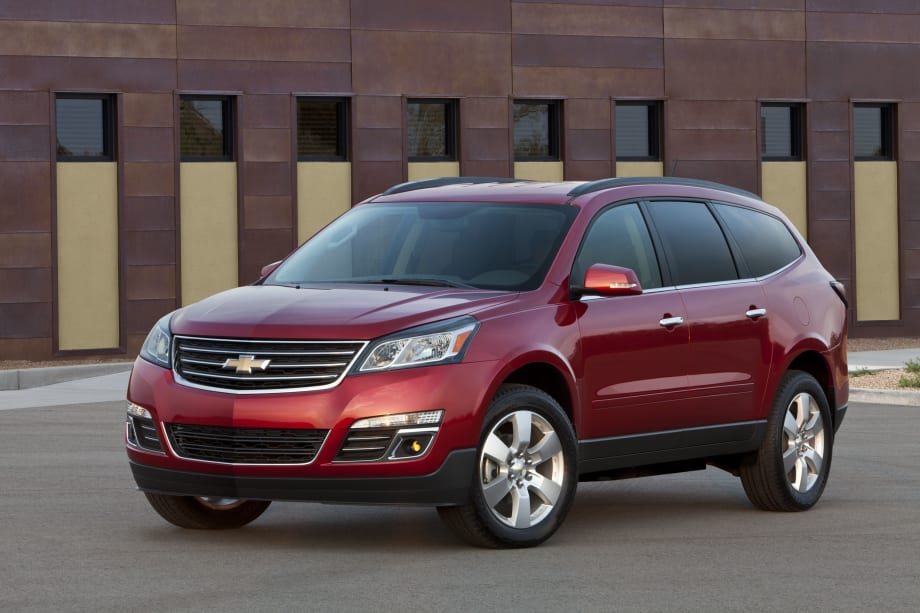
The 2013-MY Chevrolet Traverse.
The 2013-MY Chevrolet Traverse.
NEW YORK - General Motors announced the new 2013-MY Chevrolet Traverse’s features, which include a new exterior design, interior upgrades, and new safety technologies.
You can view a gallery with more photos of the new Traverse here.
GM stated that the new Traverse has an “athletic” exterior design and a new front end that introduces a “new face” for Chevrolet crossover utility vehicles. The automaker described the front end as featuring a new shape supported by a powerdome hood, a three-bar upper and two-bar lower grille design, new lamps, chrome accents around the grille and fog lamps, and sculpted front corners that the company said are similar to those on the Malibu sedan.
One of the major new features that GM is touting is the automaker’s new front center airbag. In an accident, the airbag deploys from the inboard side of the driver’s seat and inflates between the driver and front passenger, helping to protect both occupants.
“While no restraint technology or feature can address all body areas or all potential injuries, the front center air bag is designed to address field-relevant, side-impact crashes that are not addressed by current regulatory or consumer metric test conditions,” said Gay Kent, GM executive director of Vehicle Safety and Crashworthiness. “It works with the vehicle’s other air bags, safety belts and structure to deliver a safer occupant environment.”
Inside, the Traverse features upgraded materials, contrasting stitching, chrome and silver accents, and available blue ambient lighting. It also comes with a new center stack that showcases a 6.5-inch color touch radio with the available Chevrolet MyLink infotainment system. The new center stack also features large, illuminated climate controls that the automaker said are easier to use.
The Traverse’s second-row seat comes with a three-passenger bench or a pair of captain’s chairs. GM said the third-row seat can accommodate three adult passengers. The vehicle provides 24.4 cu. ft. of cargo room behind the third row seats as well.
The Traverse’s front seats also now feature adjustable articulating head restraints, and the eight-way power passenger seat includes leather trim. New wood trim treatments are standard on the LT and LTZ models. When it comes to interior colors, customers can choose from three options, in cloth or leather, including Ebony and Mojave, Light Titanium and Dark Titanium, and Ebony.
GM upgrades the transmission in the vehicle, as the Traverse’s 3.6L V-6 with direct injection is mated to a six-speed automatic transmission that provides an improved shift feel, according to GM. The automaker also improved ride and handling characteristics by using rebound springs in the front struts (to increase roll control). GM also added new shock valving to deliver a smoother ride at lower speeds. The Traverse offers an all-wheel-drive system that provides more traction on slippery roads.
Additional safety and security features include the following:
Available Side Blind Zone Alert and Rear Cross Traffic Alert systems (standard on LTZ)
Standard head curtain side air bags with rollover protection for outboard occupants in all seating rows.
StabiliTrak electronic stability control with rollover mitigation technology is standard on all models and incorporates full-function traction control.
Standard rearview camera system.
Standard four-wheel-disc brake system with ABS.
Safety belt pretensioners.
LATCH (Lower Anchors and Tethers for CHildren) child seat attachment system included in outboard second-row seating positions.
Tire pressure monitoring system, standard on all models.
Body structure designed to absorb crash energy and provide a protective “safety cage” around occupants.
Standard hill start assist brakes.
More Operations

A buyer's guide to fleet management software in 2027
Buying fleet management software in 2027 means looking beyond features and price. As fleet operations, technology and expectations evolve, this guide explores what today’s fleet professionals should consider when choosing a system that can deliver value now and adapt to what comes next.
Read More →
What Will Shape the Next Era of Fleet Management?
EVs, AI, and autonomous vehicles are reshaping fleet management. Discover what’s ahead—and how fleet leaders can prepare for the next era.
Read More →
How Fleets Can Recruit and Train Veterans for Technician Roles
Here's how the technician shortage has affected uptime for fleets, and what to do about it.
Read More →

Avis Budget Group Deploys Neology Toll Management Technology Across Major Brands
Neology’s neoFleet platform will manage toll transactions and toll-authority operations for vehicles across Avis, Budget, Payless, Budget Truck and Zipcar.
Read More →
Fleet Personal-Use Charges Edge Higher in 2026
Nearly eight in 10 surveyed fleets allow personal use of company vehicles, while just over half of respondents report charging employees for the privilege.
Read More →
The Future of Fleet + What’s Changing Right Now | AF News Recap
Could developments overseas offer a preview of what’s coming for U.S. fleets? This week, we’re looking at the future of AI, autonomy, and electrification, plus Ford Pro’s new certified pre-owned program, smarter vehicle offboarding, and a new way for fleets to manage toll expenses.
Read More →
How to Handle Vehicle Offboarding
What do fleet managers need to do when a driver leaves?
Read More →
Fleet Manager’s Ultimate Playbook: Navigating the New Standard in OEM Connectivity
Rising operating costs, driver safety concerns, and unplanned downtime are putting unprecedented pressure on modern fleets. Discover how fleet managers use embedded OEM connectivity and real-time vehicle data to cut TCO, prevent downtime, and protect drivers without aftermarket telematics hardware.
Read More →
U.S. Bank Adds Verra Mobility Toll Management to Voyager Fleet Platform
The integration allows U.S. Bank Voyager fleet customers to manage toll payments and violations alongside fuel, EV charging and maintenance expenses.
Read More →
ADAS Prevents Crashes. But Repairs Cost More | AF News Recap
ADAS-equipped vehicles may crash less often, but they can cost more when they do. This week, we’re breaking down what that tradeoff means for fleets, plus Subaru’s first Forester Wilderness Hybrid, Nissan’s new e-POWER Rogue, and why Calstart has become Catalyst Mobility.
Read More →