


 MENU
MENU SEARCHMENUSEARCH
Loading data...
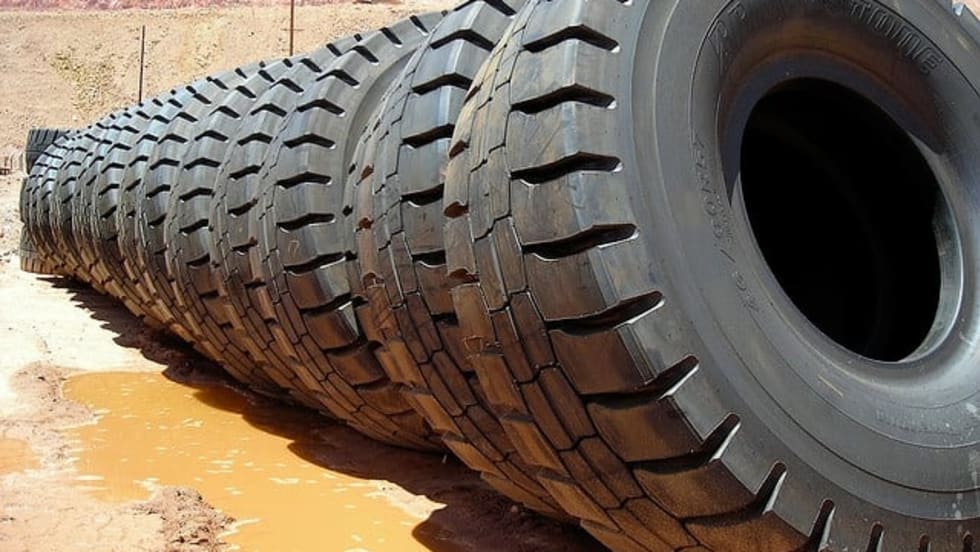
While tires are depreciating equipment, fleet managers can control how fast tire value drops. The best way is to write, communicate, and enforce a tire management and maintenance program.
Read More →
Replacement tires are a fleet’s third-largest operating expense. And this expense is growing.
Read More →
A growing trend is for auto designers to work with tire manufacturers in developing tires specific to particular model vehicles. This has proliferated the number of tire sizes available since no other tire in the tire manufacturer’s product line meets this vehicle-specific performance and handling specification.
Read More →
There are many ways to control tire expenses. It all starts with purchasing the proper tire for the application and it continues with a complete tire maintenance and replacement program.
Read More →
Regular preventative maintenance, such as checking air pressure and tread depth, can keep your fleet's tires in service longer. Rotate tires no less than every 6,000 miles, and know what's causing them to prematurely wear.
Read More →Tire buying used to be so simple! A generation or so ago there were two kinds of tires for your car-one with black sidewalls and the other with white sidewalls.
Read More →
Survey finds the hazard common; costs fuel and tire life.
Read More →I noted recently that Capt. William Kaufman from the Florida Turnpike Highway Patrol Troop K reported that out of 50 new tires on his patrol cars almost a dozen had failed within a few days. Since these were tires from a new source manufacturer and pretty typical of what can happen on a bid basis.
Read More →A new era is here for the tire industry to face. Federal legislation on standards are pending—and it seems certain that a minimum standards law will be passed.
Read More →