




Ford's Transit Connect Through the Years
Ford's 2019 Transit Connect enters its third generation as the leading compact van in the U.S. market, a perch it has enjoyed since its introduction in the 2010 model year. We took a closer look at the evolution of the 2019 Transit Connect. Photos courtesy of Ford.

The 2014 Transit Connect entered its second generation with increased capability. It could haul more payload than some full-size pickups and delivered improved fuel efficiency. It could also tow up to 2,000 pounds when properly equipped.
Photo courtesy of Ford.
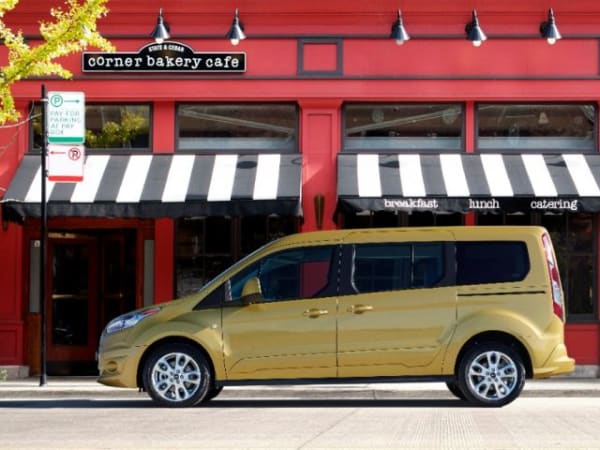
Ford's refreshed 2014 Transit Connect Wagon introduced two wheelbase lengths, five- and seven-passenger configurations, and three trim grades (XL, XLT, and Titanium). It offered fold-flat seating, a payload capacity of at least 1,200 pounds, and more than 100 cubic feet of cargo space.
Photo courtesy of Ford.
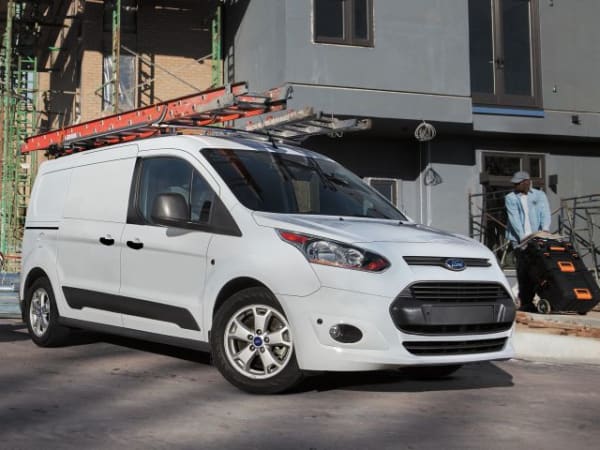
The 2015 Transit Connect could be ordered with or without second-row seating, and offered options such as a rear-view camera, 6.5-inch touch-screen display with navigation, and SYNC with MyFord Touch.
Photo courtesy of Ford.
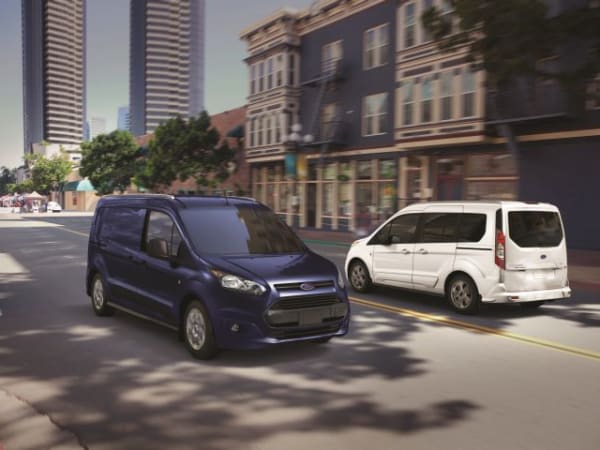
For 2018, SYNC 3 with 6.5-inch touch screen and rear view camera was offered as an option on XLT cargo vans and XLT passenger wagons. Automatic headlamps with configurable daylight running lamps were made standard on XLT and Titanium passenger wagons and optional on XLT cargo vans.
Photo courtesy of Ford.
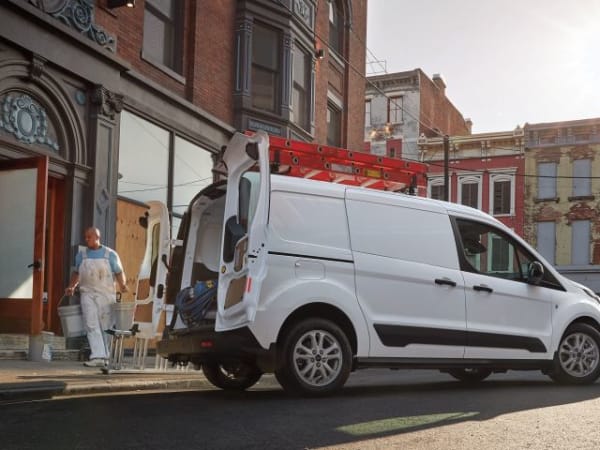
The 2019 Transit Connect cargo van enters its third generation with new and exclusive driver-assist technologies and two new powertrains, including the first diesel engine in the segment. The van also offers automatic emergency braking as standard equipment on all models.
Photo courtesy of Ford.
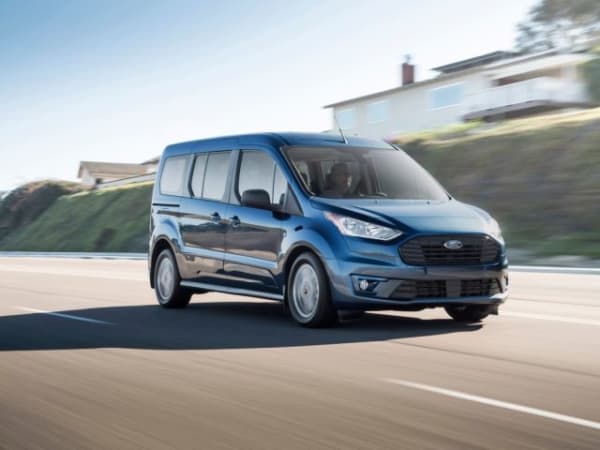
The new 2019 Transit Connect Wagon features also offers standard automatic emergency braking that includes pre-collision assist with pedestrian detection.
Photo courtesy of Ford.
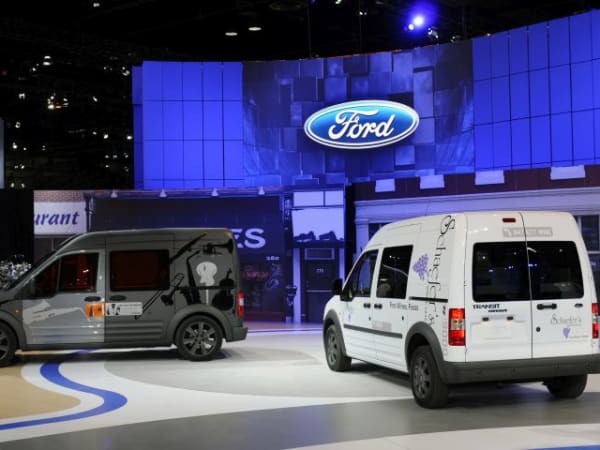
Ford announced it would bring the Transit Connect to the U.S. market at the 2008 Chicago Auto Show. It had been selling the van in Europe.
Photo courtesy of Ford.
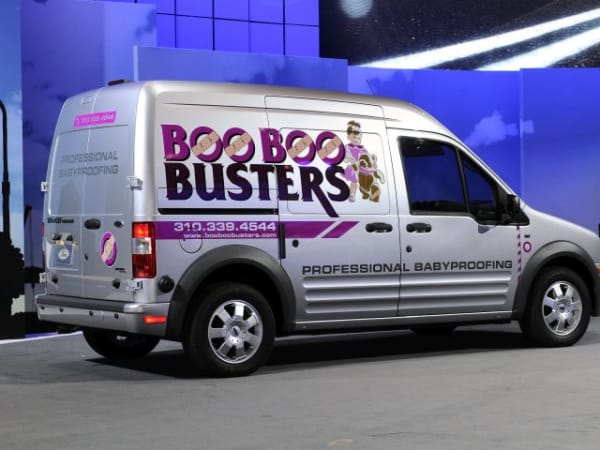
The 2010 Transit Connect debuted at the 2009 Chicago Auto Show. The U.S. model featured a new grille, redesigned front bumper, improved interior, and upgraded powertrain.
Photo courtesy of Ford.

The Transit Connect was the first compact van in the U.S. market for small business owners who were seeking improved fuel economy from full-size vans with capable load capacity and cargo accessibility. Here's a look at the 2011 model.
Photo courtesy of Ford.

The Transit Connect XLT Premium Wagon passenger van debuted as a 2012 model with a personal-use package that included cargo space surface trim, wheelhouse covers, flip-open rear quarter windows for draft-free ventilation, blind-spot sideview mirrors, rear view camera, rear cargo door windows and privacy glass.
Photo courtesy of Ford.
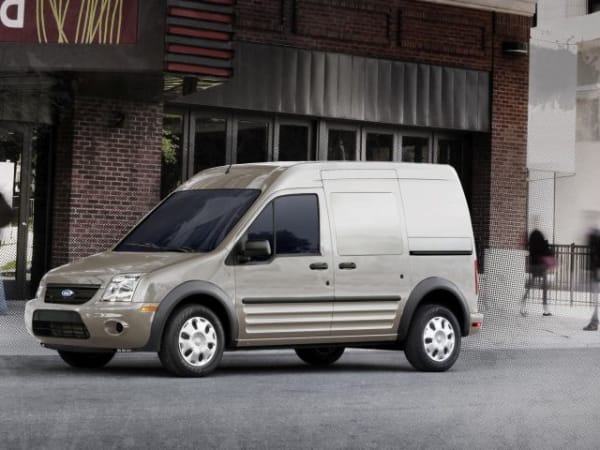
The 2013 Transit Connect was the last model in the first generation.
Photo courtesy of Ford.
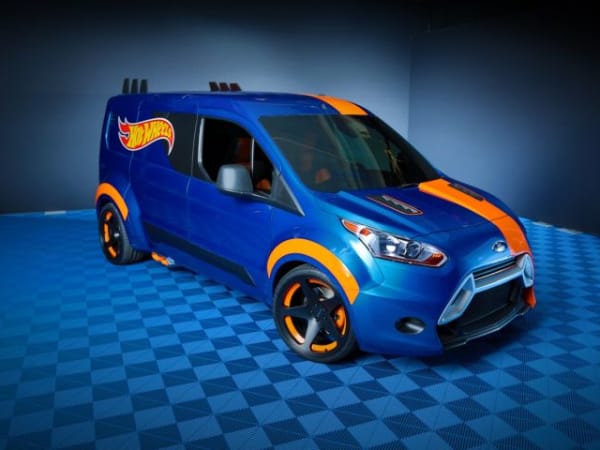
Ford showed 10 customized 2014 Transit Connect vans at the 2013 SEMA Show, including this Hot Wheels version.
Photo courtesy of Ford.
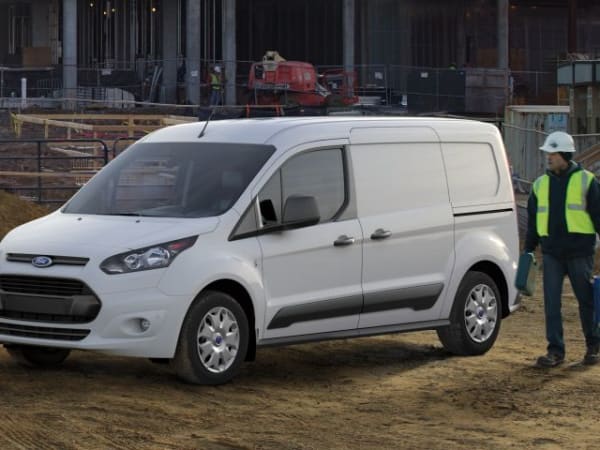
The flexible-fuel system became standard equipment on 2016 Transit Connect vans with 2.5-liter I-4 engines destined for non-California emissions states. The vans could run on highly-concentrated ethanol (E85), unleaded gasoline, or any blend of the two.
Photo courtesy of Ford.
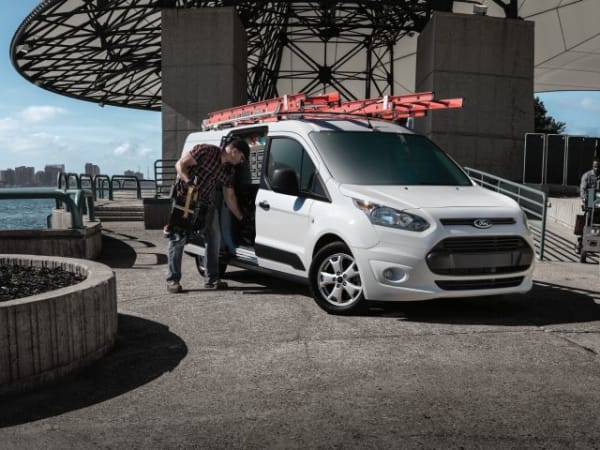
Updates for the 2017 model year included SYNC 3 with 6.5-inch touch screen and navigation standard for Transit Connect Wagon Titanium and as an option on XLT cargo van (shown) and wagon XLT. A sensor-based back-up assist system, automatic headlamps, roof rails, and six-way driver’s seats were made standard for Titanium and XLT trim levels.
Photo courtesy of Ford.