




What Being a Green Fleet Means Today
In changing and expanding Green Fleet Conference to the Fleet Technology Expo, group publisher of Automotive Fleet and Green Fleet Sherb Brown, explains how the concept of being “green” has evolved since launching the event about 8 years ago.

“A man generally has two reasons for doing a thing: one that sounds good, and a real one.”
— J.P. Morgan
In changing the name of Green Fleet Conference & Expo and expanding to include fleet efficiency topics beyond alternative fuels, we’ve been getting a lot of questions as to why we’ve evolved the conference to the Fleet Technology Expo. The change of name and expanded focus simply reflects a change in times.
About 8 years ago, we launched the Green Fleet Conference in the basement on the Hyatt Hotel in downtown Chicago. It was supposed to be a cozy gathering of 50-100 fleet professionals who had a vested interest in sustainable fleet initiatives. Energy security was a top-of-mind concern for the fleet industry. Our increasing dependence on foreign oil, coupled with chronic instability in those parts of the world that supply a lot of that foreign oil, led many corporate executives to mandate a shift from traditional internal combustion engines. Natural gas got a lot more popular. Propane autogas won over a lot of new fans. Hybrids also picked up steam as the TCO finally swung around in their favor. EVs, as impractical and economically unsound as ever, became the darlings of Wall Street and Pennsylvania Avenue. We even convinced ourselves that corn-based ethanol might be viable.
As fuel prices climbed over the years, so did our Green Fleet Conference attendance. A few short years later, we had almost 1,000 attendees and a massive exhibit hall displaying all the latest and greatest alternative-fuel options.
As the price of a barrel of oil shot up and whole new segments of fleets got interested (or at least financially incentivized) to go green, a few people took notice, and as sometimes happens in a free market economy, everything changed. The tar sands in Northern Canada got a lot more interesting and fracking opened up a whole new universe of oil for the U.S. The price of oil all of a sudden started declining. And, that whole energy security argument didn’t carry as much weight as the U.S. became the world leader in oil and gas production.
We’re at a crossroads now. That senior management pressure most fleet managers were feeling to “go green” is significantly reduced in most cases; $2-per-gallon gasoline will tend to do that. Being green is a lot easier to sell to shareholders when it means saving money or at least doing your part to help our balance of trade. Being green solely based on a commitment to sustainability is a corporate club inhabited by very few senior executives these days.
For just about every fleet we know, fuel is the second biggest expense right behind depreciation. And, that doesn’t change simply because oil prices are down. Even without senior management pressure to fleet up with hybrids or biodiesel, the leading fleets are doing everything in their power to maximize efficiencies and minimize fuel expense.
We recognized, with a lot of urging from suppliers and fleet managers, that there is much more to being “green” than we ever imagined. We are seeing a real commitment to telematics, driver training, and proper vehicle selection as a method to manage fuel expenses. We’re seeing it to such an extent that we redesigned our own Green Fleet Conference and renamed it the Fleet Technology Expo (FTX). The conference is Aug. 24-26 in Long Beach, Calif.
We’re changing with the times. Our educational tracks this year will include the greatest collection of green fleet experts, suppliers, and fleets together, sharing experiences about the good and the bad of making significant alternative-fuel commitments. But, we’re also going to open up the floor to some cutting-edge technology providers who are helping fleets save incredible amounts of money with solutions that can be implemented overnight and work seamlessly with every type of propulsion system.
Being green today means diving headfirst into the deep end of the technology pool, in addition to understanding all the nuances of the various alternative-fuel possibilities. That’s what the best-run fleets are doing today. We’re seeing more and more stories of fleets cutting fuel costs (and carbon output, too) by 20 percent or more without having to make wholesale changes to the way they fuel their fleet. It’s a lot of work to stay on top of developments in this area. That’s why we’re changing with the times. And, that’s why being green isn’t easy, but in almost every case it is worth the effort.
More Blog Posts

Getting a PhD in Fleet
COVID-19 has changed how fleets connect with each other but that doesn’t mean you have to give up the opportunity to grow, learn, and get better at managing your fleet.
Read More →
All Charged Up
There is an avalanche of new electric vehicles slated to hit the market in the next couple years. There are over 100 new models slated to hit by 2022 from the Big Three, the major imports, and from a lot of new start-ups.
Read More →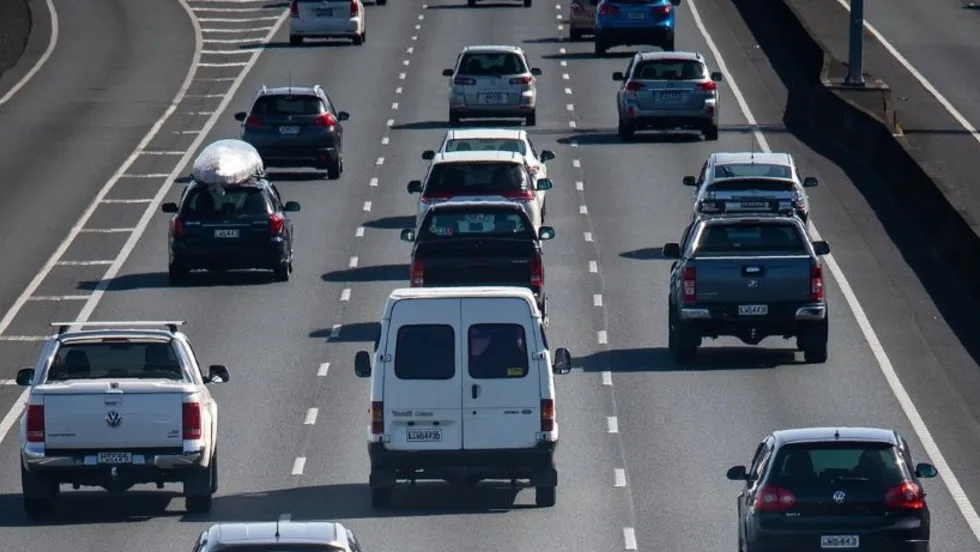
Fleet on the Rebound
Most of the key players in the fleet market are either stuck at home or working in an office but unable to travel. So we’re changing our business model to help maintain the flow of information until things get back to the way they were.
Read More →
Undertaking the Complexities of Fleet
Staying on top of industry trends to keep up with the intricacies of fleet can be a full-time job all by itself, and to be a top performing fleet requires a little forward thinking and anticipation.
Read More →
The Real Transportation Revolution
The fleet market is leading the charge on making real gains in efficiency and safety with telematics, in-cab video, and safety technologies that are available today.
Read More →
Stay Out of My Lane
Let’s get a framework in place and a legislative plan that allows us to develop autonomous vehicle technologies without putting lives at risk in the short term.
Read More →
Wrapping Up Another Year
Thanks to the strong economy that the U.S. is enjoying, U.S. commercial companies have been able to invest more money into their fleets, and strong fleet sales are a reflection of that.
Read More →
AFLA's New Canadian Conference Continues Growth Tradition
Fleets know how valuable of a resource that AFLA conferences can be, and the upcoming summit in Canada will serve as another wealth of knowledge that the association has delivered for decades.
Read More →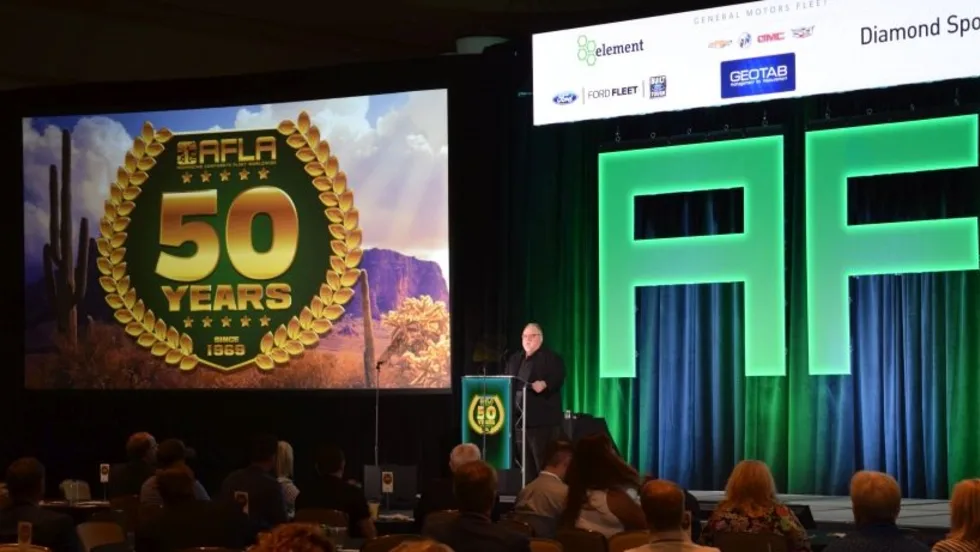
The Next Chapter
It’s impossible to attend great fleet events like AFLA and not get caught up in why is has helped make the industry so great, but equally exciting is seeing how much the association is ready to take on the evolving industry that is fleet.
Read More →
Fleet Ground Zero
You are missing out on some potentially game changing information when you don’t get out to meet regularly with your peers.
Read More →