





Related: Fair and Balanced
Ready or Not, Electrification Is Coming
We’re not where we need to be with battery technology and the whole herd seems to be betting that a magical new solution will appear in time to save us all. I sure hope they are right.
December 1, 2017
3 min to read
If you are one of the 500,000 people who plopped down a deposit on a new Tesla Model 3, you can take great solace in the fact that Tesla is now able to produce almost 200 of them a month. If you are toward the bottom of the list, you should be able to pick up your car sometime around the year 2223. Of course you’ll really need it then because China, France, and the Republic of California will have long since banned the use of internal combustion engines.
It turns out that taxing fuel, heaping incentives on electric vehicles, and carbon shaming isn’t enough. The thought is that nothing short of a total ban and a possible fine or prison sentence is necessary to inspire the populace to embrace the new electric future. Don’t get me wrong, I’m a big fan of electric vehicles. But I’m also a big fan of innovation, game changing technology, and competition. I miss the good old early 21st century days where the OEMs were throwing everything against the wall in the race to improve vehicle efficiency. Remember natural gas? Remember biodiesel? Remember propane? Remember hydrogen? Not to mention the massive improvements we have seen in traditional internal combustion engines. We have full-size pick-ups that get 25 MPG. We have cars that can do over 50 MPG without breaking a sweat. We even have class 8 trucks that can get north of 13 MPG with low sulfer diesel.
It seems that somewhere along the line the arms race to develop the next chapter in our transportation evolution ended. The fleet industry didn’t get a vote. The retail buying public didn’t get a vote. And 49 out of the 50 states in our great union didn’t really get a vote. But we’re apparently all getting on the electric train now. And the costs are going to be staggering. Batteries may get marginally cheaper with mass production but the raw materials are very expensive and they won’t get cheaper with scale.
Current estimates show that over 90% of the cost of batteries is tied up in raw materials and manufacturing costs. The most optimistic scientists think we can shave a little off of that over the next few years but the best case scenario still looks brutally expensive when weighed against any current powertrain technologies. Not to mention, those juicy $7,500-a-vehicle tax credits are about to run out and that is going to make more than a little difference when you plug the numbers into your favorite life cycle cost calculator.
The relentless drive for efficiency and reduced carbon emissions was always going to have some casualties. But it would have been nice to see everyone put a little more effort into developing some alternatives. We’re not where we need to be with battery technology and the whole herd seems to be betting that a magical new solution will appear in time to save us all. I sure hope they are right. And on a positive note, at least we’re not talking about ethanol anymore.
If you disagree, let me know.
Subscribe to Our Newsletter
More Blog Posts

Getting a PhD in Fleet
COVID-19 has changed how fleets connect with each other but that doesn’t mean you have to give up the opportunity to grow, learn, and get better at managing your fleet.
Read More →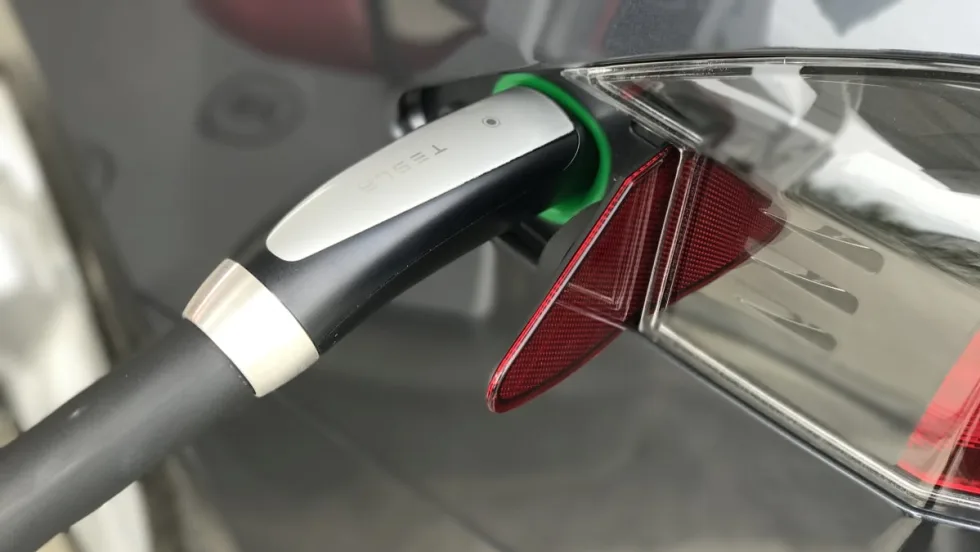
All Charged Up
There is an avalanche of new electric vehicles slated to hit the market in the next couple years. There are over 100 new models slated to hit by 2022 from the Big Three, the major imports, and from a lot of new start-ups.
Read More →
Fleet on the Rebound
Most of the key players in the fleet market are either stuck at home or working in an office but unable to travel. So we’re changing our business model to help maintain the flow of information until things get back to the way they were.
Read More →
Undertaking the Complexities of Fleet
Staying on top of industry trends to keep up with the intricacies of fleet can be a full-time job all by itself, and to be a top performing fleet requires a little forward thinking and anticipation.
Read More →
The Real Transportation Revolution
The fleet market is leading the charge on making real gains in efficiency and safety with telematics, in-cab video, and safety technologies that are available today.
Read More →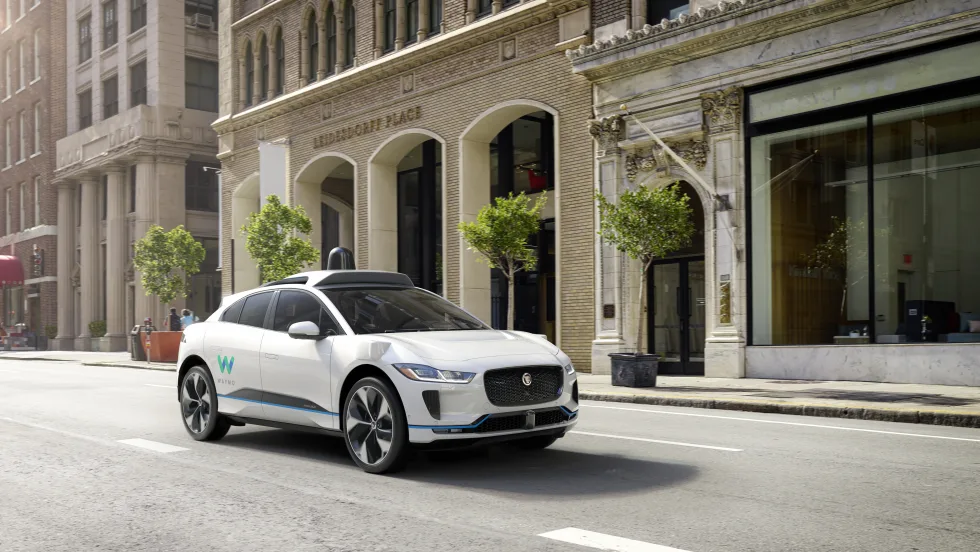
Stay Out of My Lane
Let’s get a framework in place and a legislative plan that allows us to develop autonomous vehicle technologies without putting lives at risk in the short term.
Read More →
Wrapping Up Another Year
Thanks to the strong economy that the U.S. is enjoying, U.S. commercial companies have been able to invest more money into their fleets, and strong fleet sales are a reflection of that.
Read More →
AFLA's New Canadian Conference Continues Growth Tradition
Fleets know how valuable of a resource that AFLA conferences can be, and the upcoming summit in Canada will serve as another wealth of knowledge that the association has delivered for decades.
Read More →
The Next Chapter
It’s impossible to attend great fleet events like AFLA and not get caught up in why is has helped make the industry so great, but equally exciting is seeing how much the association is ready to take on the evolving industry that is fleet.
Read More →
Fleet Ground Zero
You are missing out on some potentially game changing information when you don’t get out to meet regularly with your peers.
Read More →