




Making a Real Difference
A great deal of our attendance this year was made up of risk and environmental, health & safety (EH&S) professionals from Fortune 500 companies. I hope that, as time goes by, we'll grow our fleet professional attendance as more and more of you realize that safety is an area where you can truly make a difference and even save lives.

For the past few decades, I have heard countless fleet industry pros lament the fact that they are often underappreciated and overlooked within their organizations. They work tirelessly to cut costs while trying to keep salespeople, service technicians, and executives on the road without a hiccup. And, most often, the only time the fleet professional gets noticed is when something goes wrong. The opportunities to really shine and make a difference are somewhat limited for many in this era of purchasing management and constant cost cutting.
Our recent Fleet Safety Conference, co-sponsored by the American Automotive Leasing Association (AALA), gave many of us a glimpse into a world where fleet professionals can make a real difference. We brought more than 300 people together, including Jack Hanley from NETS, Sandra Lee from Johnson & Johnson (2013 Fleet Safety Award winner), and many other leaders in this area who have dedicated their professional life to making sure that commercial drivers are as safe as humanly possible.
Most of our fleet surveys regularly indicate that safety is the top concern when making vehicle selection. It's right up there with job suitability when it comes time to filling out a selector list. That's not to say there isn't a large portion of the fleet and purchasing community that doesn't put CAP incentives ahead of everything else. Those 240 air bags are nice, but some short-sighted folks will trade it all for an extra $1,500 off the top. And, don't even think about getting involved in the whole texting and cell phone controversy. It will kill productivity, right?
Well a funny thing happened at the conference. We heard story after story of fleet leaders who got involved, put their necks on the line, and even argued with senior management on occasion to make sure their companies adopted best-in-class rules and guidelines to make sure their drivers — and the people who share the roads with them — have every chance to make it home safe each night.
Like most fleet decisions, it often comes down to economics. Can you sell a program to senior management if it doesn't save some money? Or, heaven forbid, it might even cost you some money. Well, if you want to see some companies that are seriously focused on safety, take a quick glance through the headlines and see who has recently lost a $10-million or $20-million judgment because they weren't following industry best practices. Those companies know the cost of ignoring safe driving standards and have learned a painful lesson in being penny wise and pound foolish.
A great deal of our attendance this year was made up of risk and environmental, health & safety (EH&S) professionals from Fortune 500 companies. There weren't a lot of fleet managers there, as most of them seemed happy to kick the topic upstairs to the guys and girls who occupy the "Big Chairs." I hope that, as time goes by, we'll grow our fleet professional attendance as more and more of you realize that safety is an area where you can truly make a difference and even save lives.
Don't wait for someone else to take the first steps for you. And, please don't wait for an injury or a fatality to get your company focused on instituting best practices in this area. Talk to NETS; talk to Mike Pitcher at LeasePlan about its cell-phone policy; talk to the leaders at AALA; or talk to any of us at Automotive Fleet — we'll help you build a case that you can take to the top to get started on building a culture of safety within your organization.
What do you think?
Sherb.Brown@bobit.com
More Blog Posts

Getting a PhD in Fleet
COVID-19 has changed how fleets connect with each other but that doesn’t mean you have to give up the opportunity to grow, learn, and get better at managing your fleet.
Read More →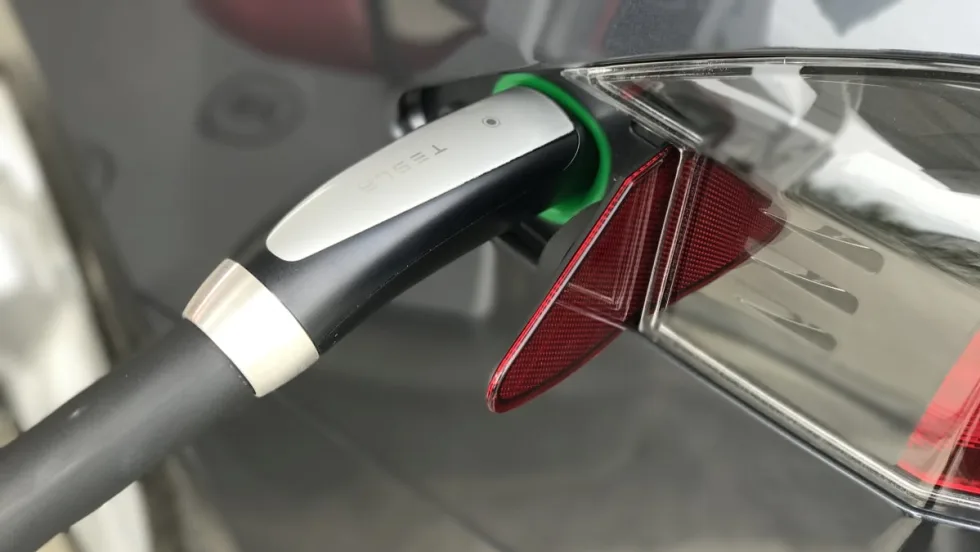
All Charged Up
There is an avalanche of new electric vehicles slated to hit the market in the next couple years. There are over 100 new models slated to hit by 2022 from the Big Three, the major imports, and from a lot of new start-ups.
Read More →
Fleet on the Rebound
Most of the key players in the fleet market are either stuck at home or working in an office but unable to travel. So we’re changing our business model to help maintain the flow of information until things get back to the way they were.
Read More →
Undertaking the Complexities of Fleet
Staying on top of industry trends to keep up with the intricacies of fleet can be a full-time job all by itself, and to be a top performing fleet requires a little forward thinking and anticipation.
Read More →
The Real Transportation Revolution
The fleet market is leading the charge on making real gains in efficiency and safety with telematics, in-cab video, and safety technologies that are available today.
Read More →
Stay Out of My Lane
Let’s get a framework in place and a legislative plan that allows us to develop autonomous vehicle technologies without putting lives at risk in the short term.
Read More →
Wrapping Up Another Year
Thanks to the strong economy that the U.S. is enjoying, U.S. commercial companies have been able to invest more money into their fleets, and strong fleet sales are a reflection of that.
Read More →
AFLA's New Canadian Conference Continues Growth Tradition
Fleets know how valuable of a resource that AFLA conferences can be, and the upcoming summit in Canada will serve as another wealth of knowledge that the association has delivered for decades.
Read More →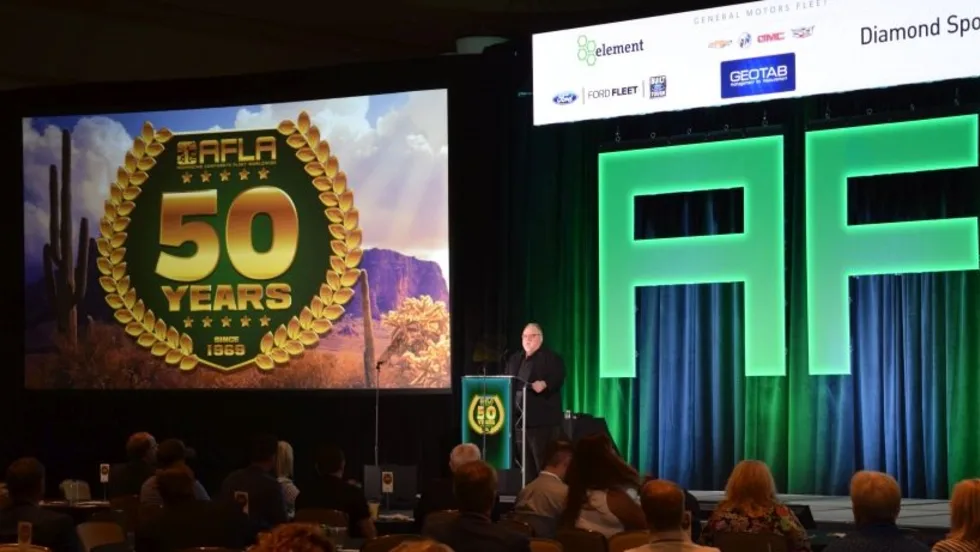
The Next Chapter
It’s impossible to attend great fleet events like AFLA and not get caught up in why is has helped make the industry so great, but equally exciting is seeing how much the association is ready to take on the evolving industry that is fleet.
Read More →
Fleet Ground Zero
You are missing out on some potentially game changing information when you don’t get out to meet regularly with your peers.
Read More →