




Fleets Driven by Safety
It doesn't matter if you are running a pharma fleet, a public sector fleet, a Class 8 tractor fleet, or a fleet of golf carts. Our analytics show that everyone is driven to find the latest information on how to keep their drivers, customers, and company safe.

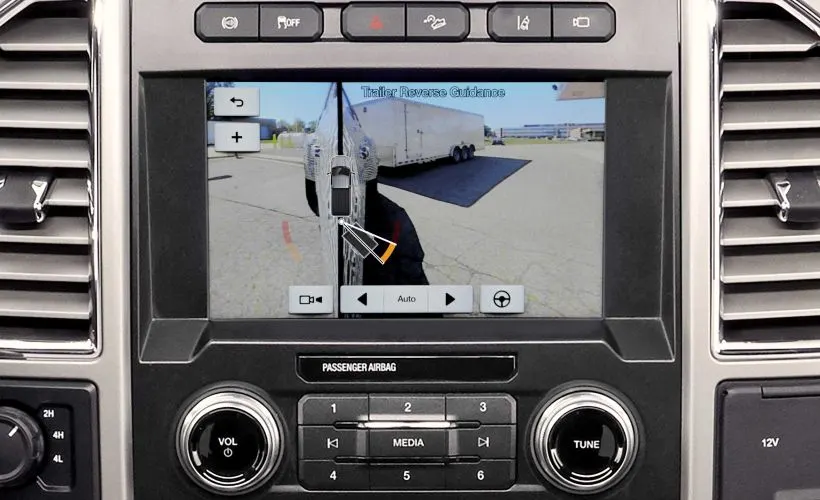
Backup cameras are among a range of factory features that improve safety in fleets.
Photo courtesy of Ford.
The transition to the digital age has been an exciting but challenging task for those of us in the media business. Automotive Fleet has always been the "bible" of the fleet industry but now it's just one of the many pieces we use to communicate with the industry. Maintaining our websites and email newsletters is a daily chore that we now have to fit into our already full schedules. But one of the great side benefits to having a website is that we can see what the fleet market really cares about by tracking activity. It's kind of like Facebook, except we're not selling your private data to the Russians.
One interesting thing that jumps out month after month is the never-ending appetite for safety information across all of our online properties. Fleet decision makers across the whole spectrum of industries and vehicle types are highly engaged with the topic and always looking for the latest and greatest information. It doesn't matter if you are running a pharma fleet, a public sector fleet, a Class 8 tractor fleet, or a fleet of golf carts. Our analytics show that everyone is driven to find the latest information on how to keep their drivers, customers, and company safe.
In the olden days when we didn't have an online presence, we had to send mail or fax surveys to our readers to find out what they were interested in. Even back in those days, safety came out on top but we always suspected that was just people giving the politically correct answer. There weren't that many actual safety features or programs available so a nicely-sized fleet incentive was probably enough to overcome a desire to add anti-lock brakes or passenger side airbags.
The game has changed though. New features are coming out at a fast and furious pace. And fleets don't have to guess anymore about the effectiveness of various OEM options. There is solid data available from NHTSA, IIHS, your FMC, or automotivefleet.com. Frontal crash avoidance systems really make a difference. So do back-up cameras, blind-spot detection systems, and adaptive cruise control systems. Lane departure warning systems seem to help but the vast majority of drivers are turning it off as soon as they take delivery so the jury is still out on that one.
It's important to note that the fleet market has always been a bit ahead of the retail market. Fleets added seatbelts, anti-lock brakes, airbags, and every other safety option before there was widespread adoption with the general public. Part of the reason for that is that fleet managers have more at stake than individual drivers. Having 1,000 trucks on the road is a much bigger responsibility than having just one.
The biggest driver of early fleet adoption has been the fact that fleets are always thinking three to five years down the road when they make a purchase. A retail customer is thinking about right now and how do I get the lowest payment. A fleet manager is thinking about the capitalized cost but the pros are thinking just as much about the resale value down the road. Having automatic emergency braking technology might seem like a luxury item today but three or four years from now it will be ubiquitous and you probably don't want to be stuck with 1,000 vehicles lacking in a critical safety technology. I've said it before but it bears repeating, it's still better to be safe than sorry.
More Blog Posts

Getting a PhD in Fleet
COVID-19 has changed how fleets connect with each other but that doesn’t mean you have to give up the opportunity to grow, learn, and get better at managing your fleet.
Read More →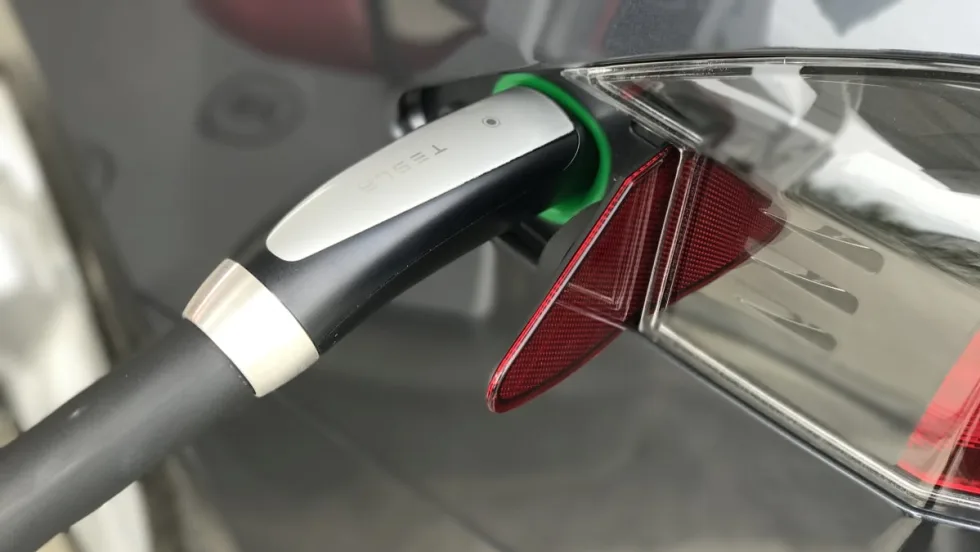
All Charged Up
There is an avalanche of new electric vehicles slated to hit the market in the next couple years. There are over 100 new models slated to hit by 2022 from the Big Three, the major imports, and from a lot of new start-ups.
Read More →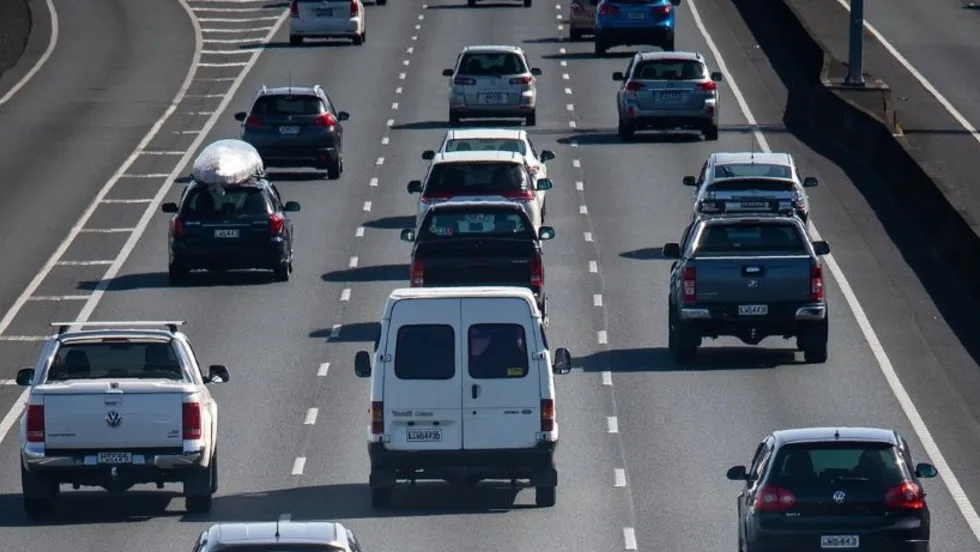
Fleet on the Rebound
Most of the key players in the fleet market are either stuck at home or working in an office but unable to travel. So we’re changing our business model to help maintain the flow of information until things get back to the way they were.
Read More →
Undertaking the Complexities of Fleet
Staying on top of industry trends to keep up with the intricacies of fleet can be a full-time job all by itself, and to be a top performing fleet requires a little forward thinking and anticipation.
Read More →
The Real Transportation Revolution
The fleet market is leading the charge on making real gains in efficiency and safety with telematics, in-cab video, and safety technologies that are available today.
Read More →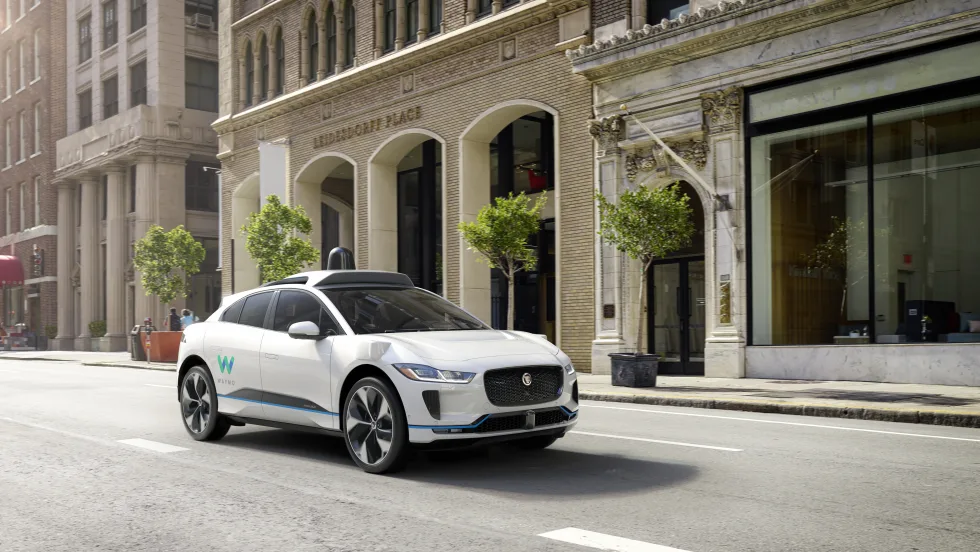
Stay Out of My Lane
Let’s get a framework in place and a legislative plan that allows us to develop autonomous vehicle technologies without putting lives at risk in the short term.
Read More →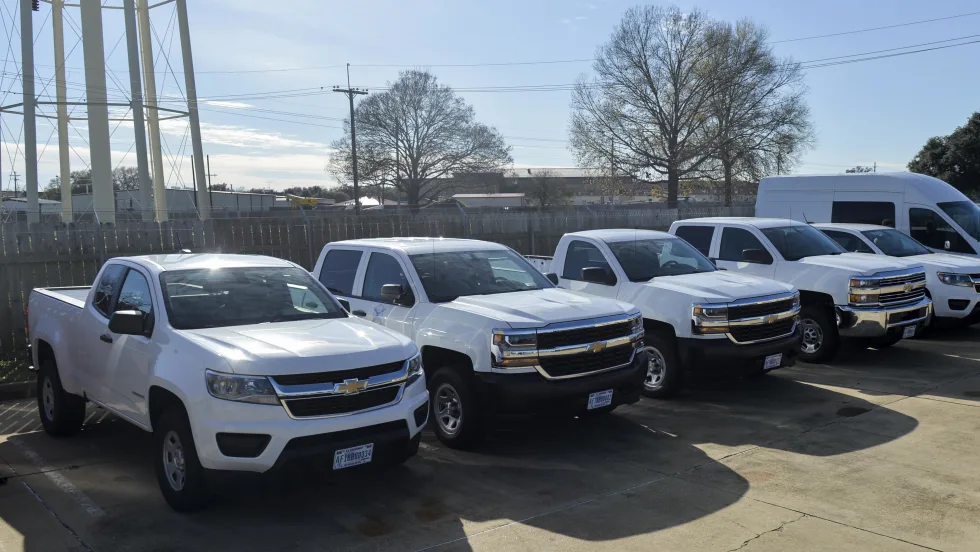
Wrapping Up Another Year
Thanks to the strong economy that the U.S. is enjoying, U.S. commercial companies have been able to invest more money into their fleets, and strong fleet sales are a reflection of that.
Read More →
AFLA's New Canadian Conference Continues Growth Tradition
Fleets know how valuable of a resource that AFLA conferences can be, and the upcoming summit in Canada will serve as another wealth of knowledge that the association has delivered for decades.
Read More →
The Next Chapter
It’s impossible to attend great fleet events like AFLA and not get caught up in why is has helped make the industry so great, but equally exciting is seeing how much the association is ready to take on the evolving industry that is fleet.
Read More →
Fleet Ground Zero
You are missing out on some potentially game changing information when you don’t get out to meet regularly with your peers.
Read More →