





Related: Size Matters
Fleet Is a Full-Time Job
The fleet management companies, the telematics providers, the upfitters, and the general service providers in our market can offer you some wonderful advice, but the only person who can really tie it all together is a fleet manager.
September 1, 2017
3 min to read
Managing a fleet really shouldn’t be a part-time job. Maybe if you’ve got three landscaping trucks or a couple of septic tank pumpers, but for the average commercial or public sector fleet, taking care of 100 or 1,000 or 10,000 vehicles, there are a million good reasons to have a full-time person managing vehicles, suppliers, and your drivers.
I’m blessed with a lot of chances to interact with fleet professionals during the course of the year. Especially during the fleet preview season that annually runs from March through July. I never stop learning from these people and I am always impressed with the creative solutions, the innovative ideas, and the way they always seem to be able to do more with less.
We’re fortunate to be in a business with a lot of outsourcing opportunities. If there is a dirty job you don’t want to do, chances are pretty good that you can find a supplier to take care of it for you. But it’s hard to imagine any fleet decision maker would want to turn over all the significant decisions to a third party, or third parties.
We’re well beyond the old lease versus buy decisions. Now fleets have to make decisions about safety, accident management, maintenance management, telematics, integrating fleet data into daily company or government operations, and dealing with carbon output. Asking a supplier to understand every idiosyncrasy of your operation is just not realistic. Someone with their pulse on your business, your drivers, your customers, and your senior management has to be involved in those decisions on a regular basis.
It’s not uncommon for a fleet to have an operating budget in the millions or tens of millions of dollars. According to data from our latest salary survey, the average compensation for a fleet manager in the U.S. was between $85,000 and $100,000. That’s a pretty small investment to have someone keeping an eye on one of your biggest investments. Someone who knows why diesels don’t work for your applications, or someone who knows how big that trunk has to be to fit a ladder, or someone who knows how many cup holders, how many USB ports, or how many cubic feet of cargo space your drivers really need.
The fleet management companies, the telematics providers, the upfitters, and the general service providers in our market can offer you some wonderful advice. They can tell you what works best for most fleets. They can dazzle you with charts and graphs based on Big Data and hundreds of thousands of units in operation. Those insights and analyses can go a long way toward helping you make smart fleet decisions. But they can’t tell you what works best for your fleet because there are just too many quirks, too many unique challenges, and too many oddball executives involved in the process with most modern fleets. The only person who can really tie it all together is a fleet manager.
If you disagree, let me know.
Subscribe to Our Newsletter
More Blog Posts

Getting a PhD in Fleet
COVID-19 has changed how fleets connect with each other but that doesn’t mean you have to give up the opportunity to grow, learn, and get better at managing your fleet.
Read More →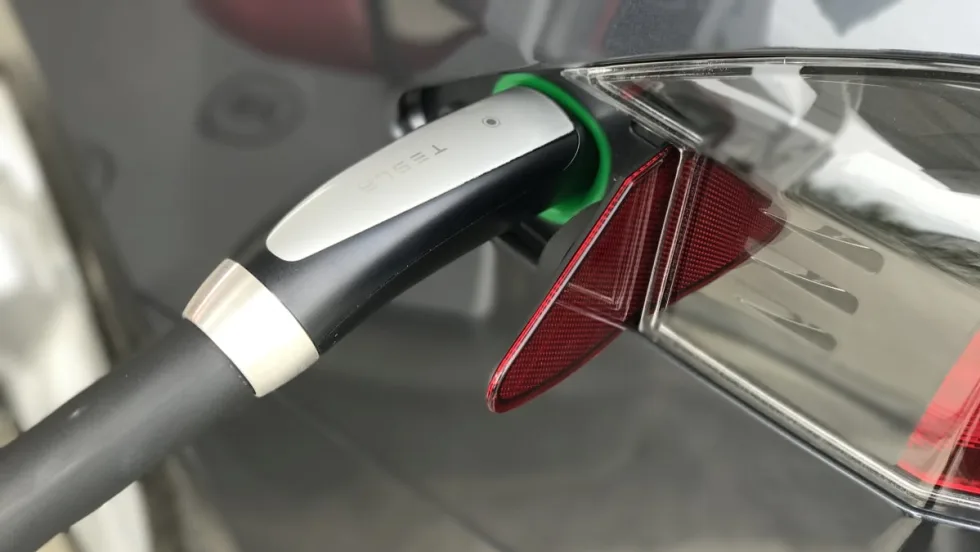
All Charged Up
There is an avalanche of new electric vehicles slated to hit the market in the next couple years. There are over 100 new models slated to hit by 2022 from the Big Three, the major imports, and from a lot of new start-ups.
Read More →
Fleet on the Rebound
Most of the key players in the fleet market are either stuck at home or working in an office but unable to travel. So we’re changing our business model to help maintain the flow of information until things get back to the way they were.
Read More →
Undertaking the Complexities of Fleet
Staying on top of industry trends to keep up with the intricacies of fleet can be a full-time job all by itself, and to be a top performing fleet requires a little forward thinking and anticipation.
Read More →
The Real Transportation Revolution
The fleet market is leading the charge on making real gains in efficiency and safety with telematics, in-cab video, and safety technologies that are available today.
Read More →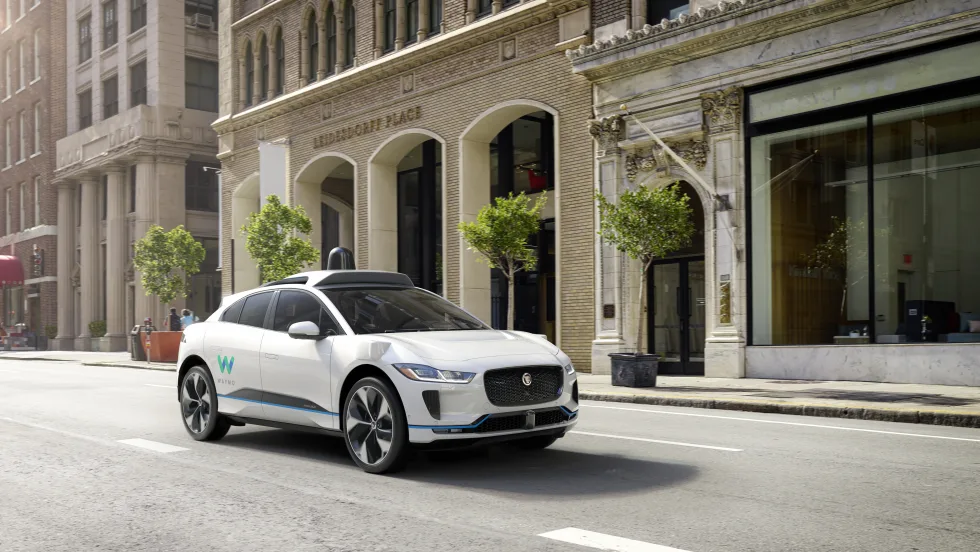
Stay Out of My Lane
Let’s get a framework in place and a legislative plan that allows us to develop autonomous vehicle technologies without putting lives at risk in the short term.
Read More →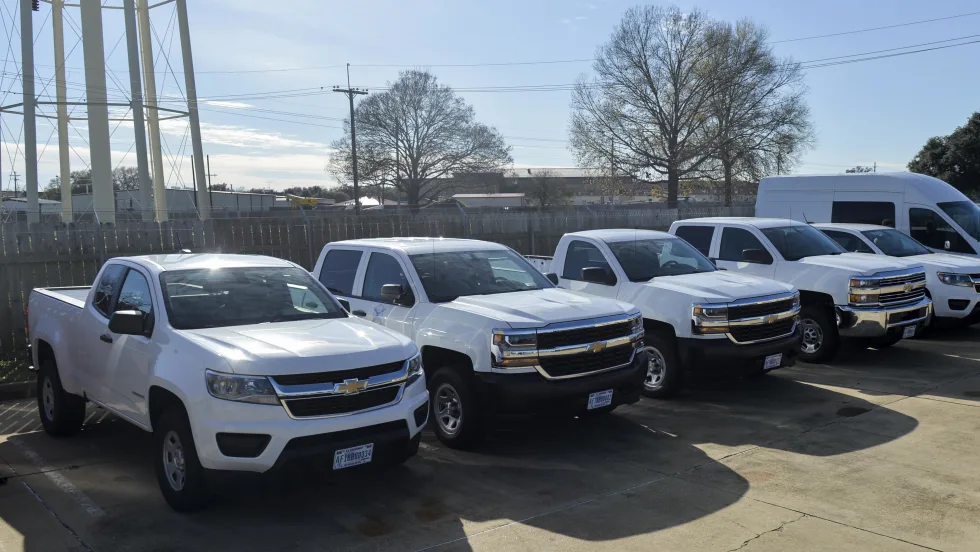
Wrapping Up Another Year
Thanks to the strong economy that the U.S. is enjoying, U.S. commercial companies have been able to invest more money into their fleets, and strong fleet sales are a reflection of that.
Read More →
AFLA's New Canadian Conference Continues Growth Tradition
Fleets know how valuable of a resource that AFLA conferences can be, and the upcoming summit in Canada will serve as another wealth of knowledge that the association has delivered for decades.
Read More →
The Next Chapter
It’s impossible to attend great fleet events like AFLA and not get caught up in why is has helped make the industry so great, but equally exciting is seeing how much the association is ready to take on the evolving industry that is fleet.
Read More →
Fleet Ground Zero
You are missing out on some potentially game changing information when you don’t get out to meet regularly with your peers.
Read More →