




Better Safe Than Sorry
As technology progresses further, it will be interesting how the increasing connectivity and the internet of things (IoT) impacts vehicle safety features.

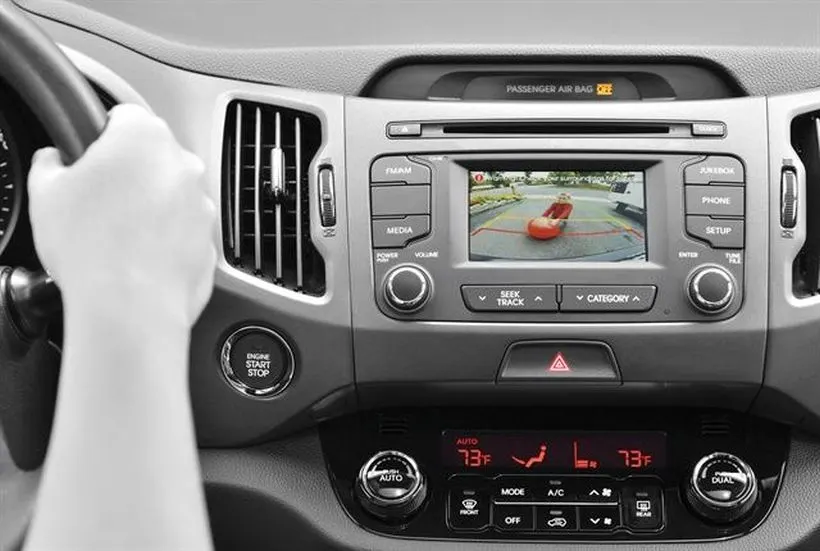
Recently, backup cameras become mandatory for every automobile built in the U.S., though the technology has been around for more than a decade.
Photo courtesy of istockphoto.com
Technology has transformed almost every aspect of our lives and fleet management is not immune. Today’s advanced safety measures like front automatic braking and lane keep assist remind you of a spacecraft more so than everyday vehicles.
Only this past month have backup cameras become mandatory for every automobile built in the U.S., but they have been around for more than a decade. Once reserved for the upper echelon of high-tech luxury vehicles, this technology has become pervasive throughout all classes of vehicles, and now accident rates and insurance claims are down because of it.
However great these systems are alone, there are significantly more benefits when multiple safety features are combined. Along with backup cameras, we now have other features edging toward complete vehicle autonomy including: blind spot alerts, automatic parking assist (which includes front, rear, and side sensors to help drivers park by automatically steering the vehicle while the driver follows prompted commands and controls braking/acceleration), steerable/intelligent headlights (which can turn the headlights with the car as the steering wheel moves and intelligently adjust brightness to traffic conditions), and rear automatic braking (which automatically brakes when an object is within a certain distance while the driver is backing up).
According to a recent Insurance Institute for Highway Safety (IIHS) study of a major OEM’s safety features, “some of the largest reductions are associated with vehicles equipped with both rear-vision cameras and parking alerts compared to vehicles without either system.”
So to get the greatest bang for your buck safety-wise, it’s important to integrate multiple systems to provide drivers with a complete, detailed, and accurate picture of the environment. While these safety features can greatly enhance the driving experience, that’s not to assume that these can completely substitute for safe driving behavior.
A leading OEM’s forward alerts package has been found to reduce injury claim frequencies, but not necessarily decrease PDL claim frequency. According to the IIHS, this suggests “the system appears to be mitigating higher speed crashes, if not always completely avoiding them … consequently a crash may still occur, generating a PDL claim but with a reduced chance of generating injury claims … in other words, the crashes are still occurring but at reduced speeds, lessening the damage done and potential for injuries.” This safety feature has reduced the frequency of high-severity accidents ($7,000+ insurance claim) by more than 10%, while moderately increasing the frequency of low-severity accidents (less than $1,500). Thus, although these new features clearly save lives, and dollars, technology must act to support safe driving habits.
Clearly certain safety features help to protect drivers, in addition to helping bolster the bottom line by reducing insurance claims. So not only do these futuristic intelligent systems keep your employees safe, but make good economic sense as well.
As technology progresses further, it will be interesting how the increasing connectivity and the internet of things (IoT) impacts vehicle safety features. Looking back on the past decade we’ve seen change at a breakneck pace, with more to come. I’d stay ahead of the curve here and rather be safe than sorry.
If you disagree, let me know.
Related: The Fleet One Percenters
More Blog Posts

Getting a PhD in Fleet
COVID-19 has changed how fleets connect with each other but that doesn’t mean you have to give up the opportunity to grow, learn, and get better at managing your fleet.
Read More →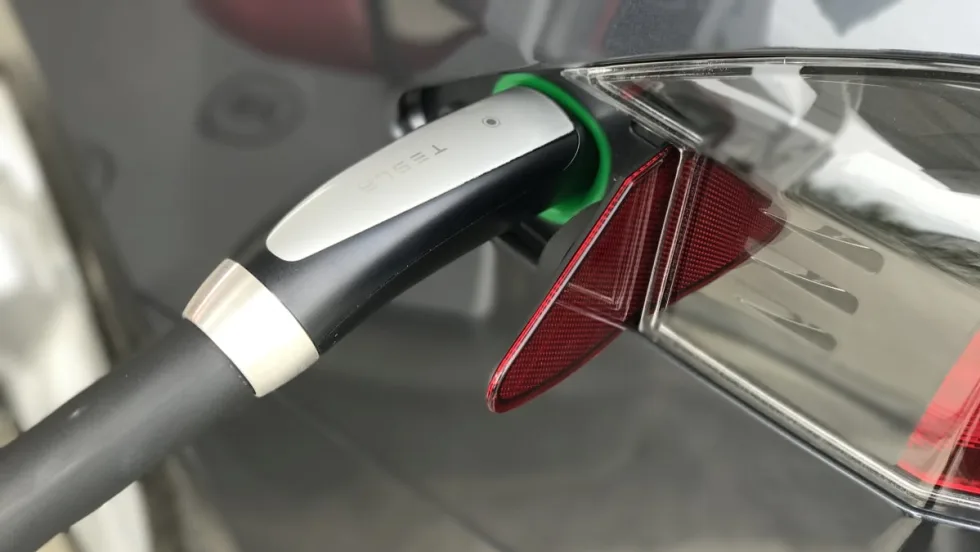
All Charged Up
There is an avalanche of new electric vehicles slated to hit the market in the next couple years. There are over 100 new models slated to hit by 2022 from the Big Three, the major imports, and from a lot of new start-ups.
Read More →
Fleet on the Rebound
Most of the key players in the fleet market are either stuck at home or working in an office but unable to travel. So we’re changing our business model to help maintain the flow of information until things get back to the way they were.
Read More →
Undertaking the Complexities of Fleet
Staying on top of industry trends to keep up with the intricacies of fleet can be a full-time job all by itself, and to be a top performing fleet requires a little forward thinking and anticipation.
Read More →
The Real Transportation Revolution
The fleet market is leading the charge on making real gains in efficiency and safety with telematics, in-cab video, and safety technologies that are available today.
Read More →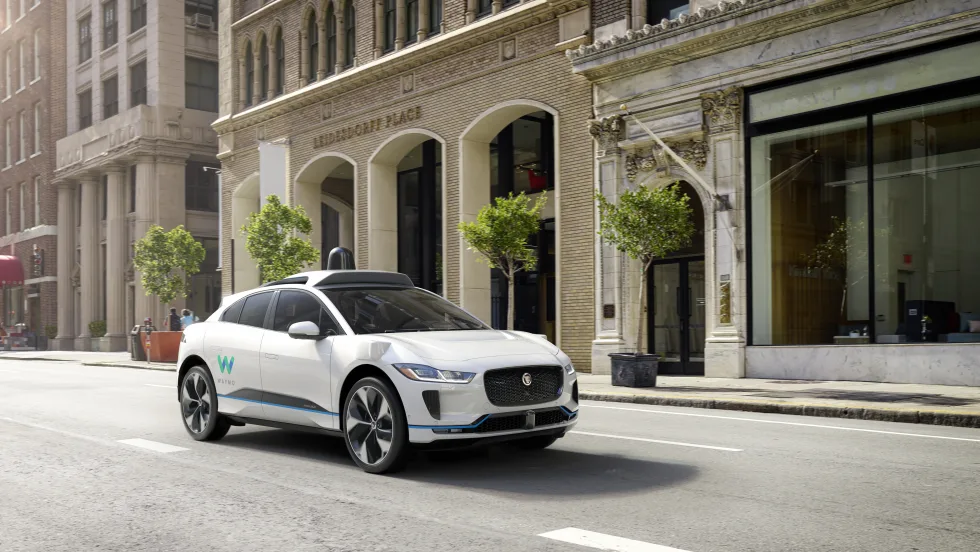
Stay Out of My Lane
Let’s get a framework in place and a legislative plan that allows us to develop autonomous vehicle technologies without putting lives at risk in the short term.
Read More →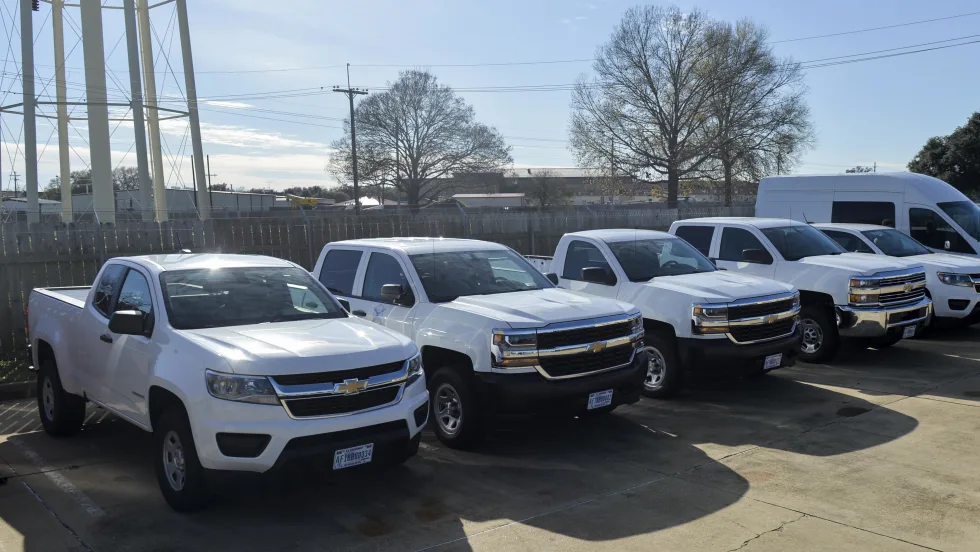
Wrapping Up Another Year
Thanks to the strong economy that the U.S. is enjoying, U.S. commercial companies have been able to invest more money into their fleets, and strong fleet sales are a reflection of that.
Read More →
AFLA's New Canadian Conference Continues Growth Tradition
Fleets know how valuable of a resource that AFLA conferences can be, and the upcoming summit in Canada will serve as another wealth of knowledge that the association has delivered for decades.
Read More →
The Next Chapter
It’s impossible to attend great fleet events like AFLA and not get caught up in why is has helped make the industry so great, but equally exciting is seeing how much the association is ready to take on the evolving industry that is fleet.
Read More →
Fleet Ground Zero
You are missing out on some potentially game changing information when you don’t get out to meet regularly with your peers.
Read More →