


 MENU
 SEARCHMENUSEARCH

Questions linger regarding the reliability and serviceability of the new powertrain’s emissions systems. However, the technology isn’t all that new; with a proven history of reliability, it is designed to minimally impact drivers and serviceability.
Read More →
The new package, aimed at small business owners in the vocational segment, offers a one-stop source for acquisition, financing, fleet management, maintenance support, and vehicle disposal.
Read More →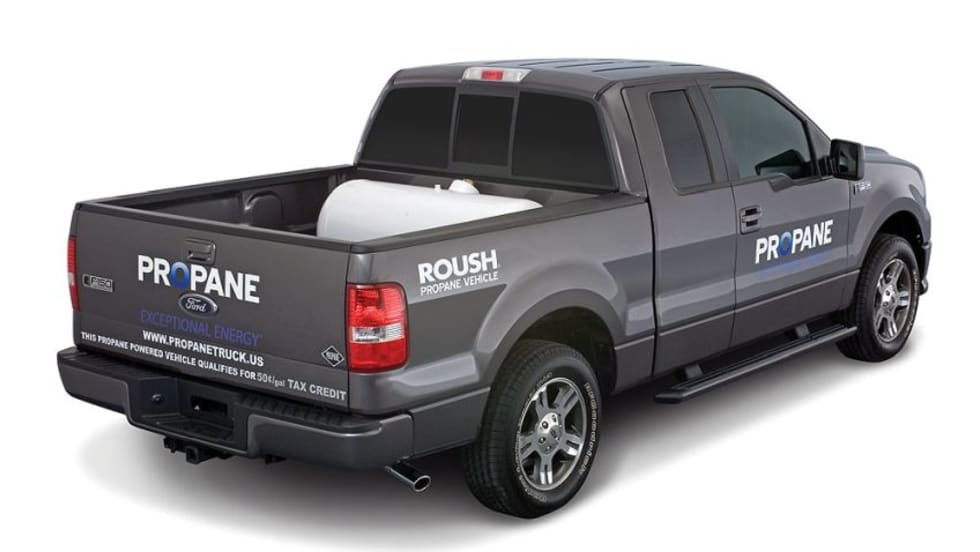
Livonia, Mich.-based Roush Industries developed a dedicated propane system for the Ford pickups.The new versions have solved the weather-related starting issues that plagued previous-generation propane models.
Read More →
Designed to operate in remote environments, the FordLink in-vehicle mobile computer offers Ford truck fleet drivers the convenience of Internet, Microsoft Office, Bluetooth, software installation, and GPS capabilities right when they need it.
Read More →In addition to its participation in several National Association of Fleet Administrators committees, DaimlerChrysler is looking to grow sales and market share in the commercial and government segments.
Read More →Early industry pioneers, members of the Round Table Group, revolutionized fleet management, set the stage for NAFA, and provided the tools needed for professional fleet management.
Read More →As the association celebrates its 50th anniversary this year, Automotive Fleet chronicles NAFA’s history and pays tribute to those individuals whose diligence forever changed the fleet management profession.
Read More →Celebrating its 50-year anniversary, the National Association of Fleet Administrators (NAFA) honors past presidents and recalls historic events that shaped the fleet industry.
Read More →He worked as the country’s first fleet dealer, developed an innovative replacement program, influenced the start of PHH, and helped found NAFA. Small wonder that when we think fleet and leasing, Sam Lee comes to mind.
Read More →Today’s fleet managers struggle daily with a variety of issues involving reducing the high cost of fuel, decreasing preventable accidents and promoting driver safety, and lowering overall fleet expenses.
Read More →