




Toyota Invests $600 Million in Indiana Plant
In order to modernize its Princeton, Ind. plant and meet the growing demand of its Highlander midsize SUV, Toyota will be investing $600 million and adding 400 jobs to the plant.
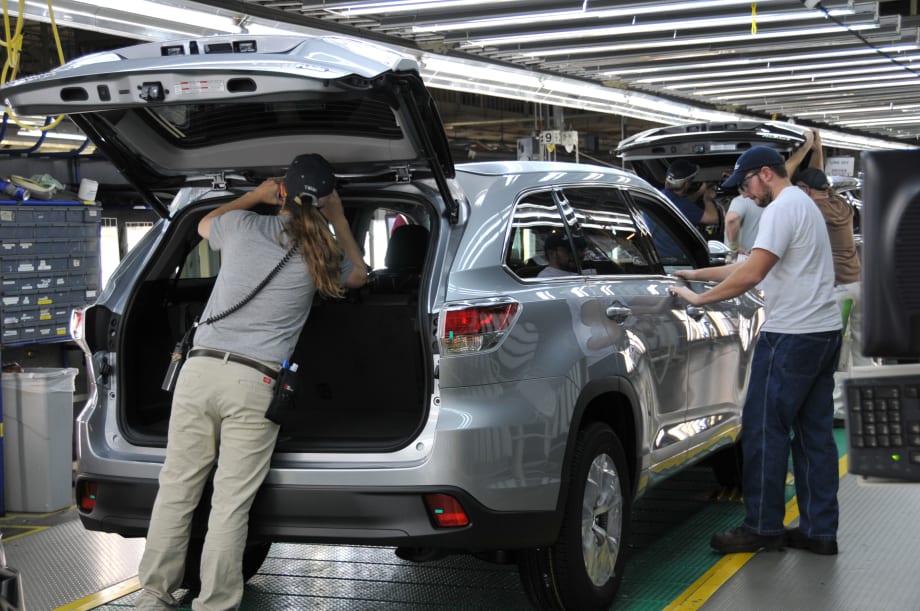
Photo of Indiana plant courtesy of Toyota.
Photo of Indiana plant courtesy of Toyota.
Toyota will be investing $600 million and adding 400 jobs to its Princeton, Ind. plant in order to modernize the plant and meet the growing demand of the automaker's Highlander midsize SUV.
The investment, the company noted, will be used for retooling, new equipment, and advanced technologies to make the plant more competitive. The project is scheduled to begin in fall 2019 and will allow the plant to produce an additional 40,000 Highlanders annually, according to Toyota.
“The Highlander has been a great vehicle for our plant and we are excited to deliver even more of them to our loyal customers,” said Millie Marshall, president of Toyota Indiana. “This is a true testament to our team members and their dedication to producing quality vehicles.”
The Indiana plant first began producing Highlanders in 2013. Last year, the Indiana plant produced over 400,000 vehicles, the highest in its 20 years of operation. The Highlander was also awarded the 2017 Top Safety Pick+ award by the Insurance Institute for Highway Safety, recognizing its good crash protection across the board.
More Operations

Personal-Use Charges Rise as Vehicle Values Fall | AF News Recap
Personal-use charges are climbing, wholesale used-vehicle values are declining, and commercial fleet sales growth is slowing. This week, we're breaking down the latest fleet data, plus how Element Fleet Management is helping Waymo prepare for its first Canadian robotaxi market.
Read More →
Here's When You Should Make an Exception to Fleet Policy
Fleet policies are designed to create consistency, but not every driver or situation fits neatly within standard rules.
Read More →
AI-Native or AI-Acquired: What Should Fleet Managers Look for in an AI Platform?
Six questions can help fleet managers look beyond AI marketing claims to evaluate integration, data access, and real-world operational performance.
Read More →

A buyer's guide to fleet management software in 2027
Buying fleet management software in 2027 means looking beyond features and price. As fleet operations, technology and expectations evolve, this guide explores what today’s fleet professionals should consider when choosing a system that can deliver value now and adapt to what comes next.
Read More →
What Will Shape the Next Era of Fleet Management?
EVs, AI, and autonomous vehicles are reshaping fleet management. Discover what’s ahead—and how fleet leaders can prepare for the next era.
Read More →
How Fleets Can Recruit and Train Veterans for Technician Roles
Here's how the technician shortage has affected uptime for fleets, and what to do about it.
Read More →
Avis Budget Group Deploys Neology Toll Management Technology Across Major Brands
Neology’s neoFleet platform will manage toll transactions and toll-authority operations for vehicles across Avis, Budget, Payless, Budget Truck and Zipcar.
Read More →
Fleet Personal-Use Charges Edge Higher in 2026
Nearly eight in 10 surveyed fleets allow personal use of company vehicles, while just over half of respondents report charging employees for the privilege.
Read More →
The Future of Fleet + What’s Changing Right Now | AF News Recap
Could developments overseas offer a preview of what’s coming for U.S. fleets? This week, we’re looking at the future of AI, autonomy, and electrification, plus Ford Pro’s new certified pre-owned program, smarter vehicle offboarding, and a new way for fleets to manage toll expenses.
Read More →
How to Handle Vehicle Offboarding
What do fleet managers need to do when a driver leaves?
Read More →