




Crash Fatalities Climb 9% in 2016’s First Half
If the trend continues, U.S. may see its deadliest driving year since 2007 and deadliest Labor Day since 2008, according to the National Safety Council.
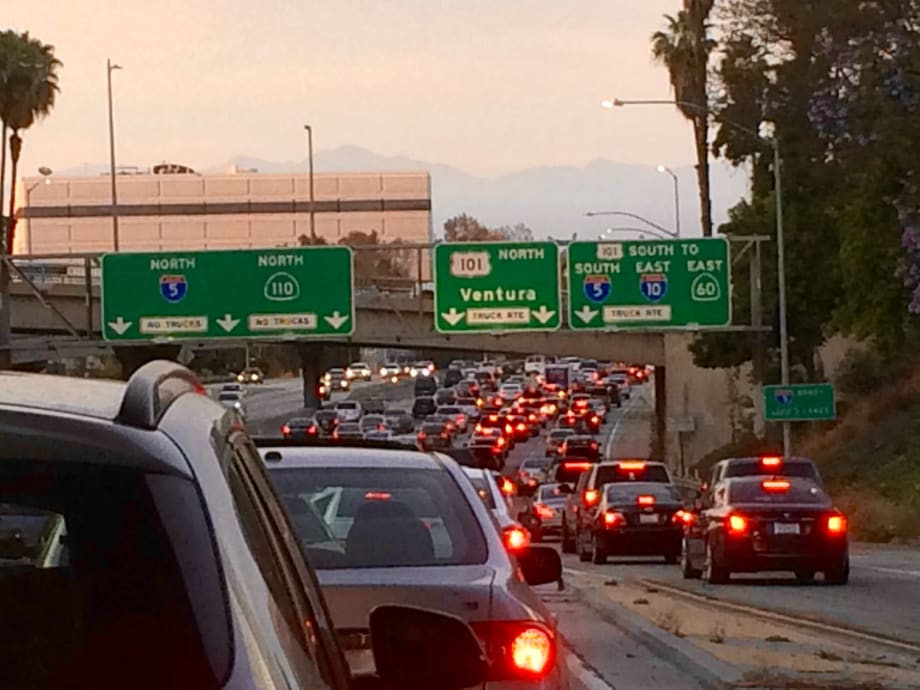
A stronger U.S. economy, lower unemployment rates, and lower gas prices contributed to more miles driven in the first half of 2016.
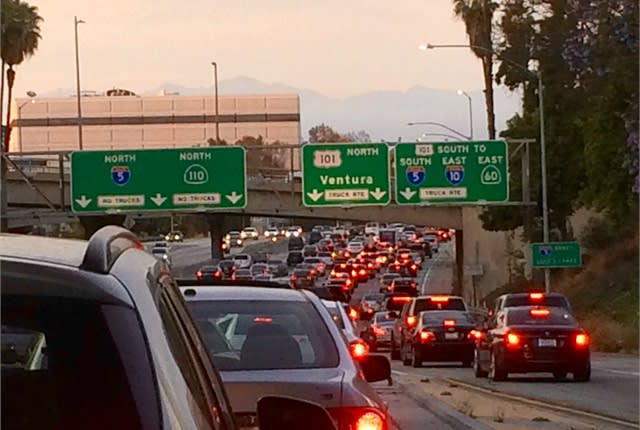
A stronger U.S. economy, lower unemployment rates, and lower gas prices contributed to more miles driven in the first half of 2016.
Preliminary estimates from the National Safety Council indicate motor vehicle deaths were 9% higher through the first six months of 2016 than in 2015, and 18% higher than two years ago at the six-month mark.
An estimated 19,100 people have been killed on U.S. roads since January, and 2.2 million were seriously injured. The total estimated cost of these deaths and injuries is $205 billion, the National Safety Council said.
The upward trend, which began in late 2014, shows no signs of decreasing. Last winter, the National Safety Council issued its largest year-over-year percentage increase in 50 years, when it estimated fatalities had jumped 8% in 2015 compared to 2014.
The continuing rise in fatalities prompted the National Safety Council to predict the deadliest Labor Day holiday period since 2008. NSC estimates 438 people will be killed during the three-day holiday weekend.
States that have been hit particularly hard since 2014, the start of the upward trend, are Florida (43% increase), Georgia (34% increase), Indiana (33% increase), California (31% increase), North Carolina (26% increase), Illinois (24% increase), and Kentucky (24% increase).
“Our complacency is killing us,” said Deborah A.P. Hersman, president and CEO of the National Safety Council. “One hundred deaths every day should outrage us. Americans should demand change to prioritize safety actions and protect ourselves from one of the leading causes of preventable death.”
While many factors likely contributed to the fatality increase, a stronger economy and lower unemployment rates are at the core of the trend, according to the National Safety Council. Average gas prices for the first six months of 2016 were 16% lower than 2015 levels, helping to fuel a 3.3% increase in the number of miles driven.
To help ensure safety, NSC recommends drivers:
Make sure every passenger buckles up on every trip
Designate an alcohol and drug-free driver or arrange alternate transportation
Get plenty of sleep and take regular breaks to avoid fatigue
Never use a cell phone behind the wheel, even hands-free
Stay engaged in teens’ driving habits, since teens are three times as likely to crash as more experienced drivers
Learn about your vehicle’s safety systems and how to use them. My Car Does What can help drivers understand features such as adaptive cruise control, blind spot warning systems, and backup cameras.
Motor vehicle fatality estimates are subject to slight increases or decreases as data mature. NSC has issued traffic fatality estimates since 1921. Supplemental estimate information can be found here.
More Safety

Nexar-Nauto Merger Aims to Give Fleets Better Safety Intelligence Through Larger Driving Dataset
Stefan Heck tells Automotive Fleet that combining more than 10 billion miles of driving history with Nexar's AI models will give fleets deeper insights into driver risk and roadway conditions than either company could provide independently.
Read More →
Don't Wait for a Crisis: 5 Ways to Build Mental Health Into Your Fleet Safety Program
For Suicide Prevention Month, fleet and safety leaders have an opportunity to put mental health where it belongs: at the center of workplace safety.
Read More →
How Camera Data Can Strengthen a Fleet’s Insurance Renewal
Insights from a commercial insurance carrier and a broker show how fleets can turn video telematic data, driver coaching, and improved claims results into a stronger case at insurance renewal.
Read More →
The Safest Fleets Aren’t the Ones with the Most Technology
You’ve made the telematics investment. Here’s how to capture the other half of its value and build the safest fleet on the road.
Read More →
Hidden in Plain Sight: Fleet Compliance Risks
Fleet compliance isn't just about having policies — it's about consistently enforcing them. This practical guide reveals six hidden compliance risks common in public sector and shared fleet operations and outlines proven strategies to improve visibility, accountability, and audit readiness
Read More →
NETS Sets 2026 Fleet Safety Benchmark Conference for Indianapolis
The Sept. 15–17 program will feature fleet benchmarking data, case studies, emerging technologies, and implementation strategies while running alongside the NSC Safety Congress & Expo.
Read More →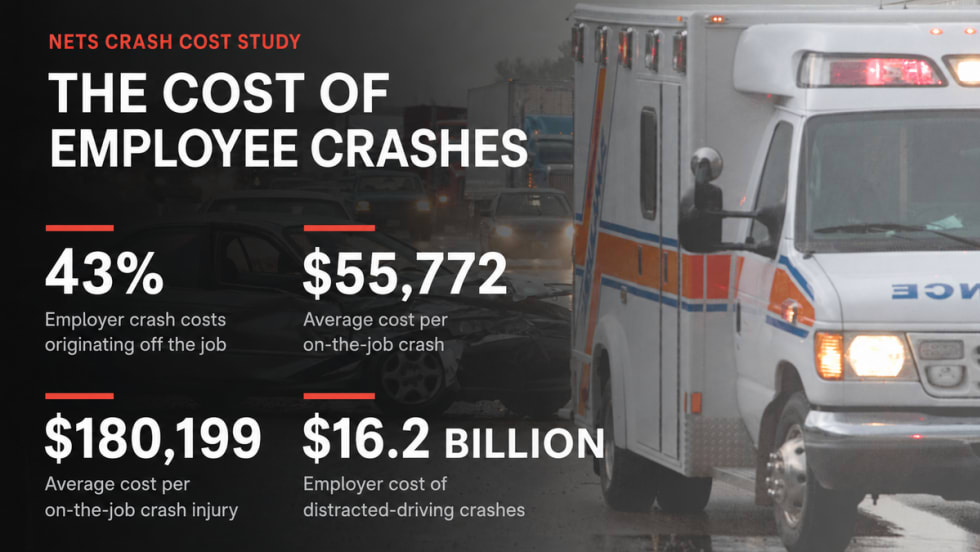
Off-the-Job Crashes Account for 43% of Employers’ $61.7 Billion Crash Burden
NETS quantifies costs dispersed across fleet, risk, HR, and other departments while providing new per-crash benchmarks for employers.
Read More →
Ram Recalls More Than 1.27 Million 1500 Pickups for Seat Belt Anchor Issue
The recall affects certain 2019-2026 Ram 1500 pickups that may have improperly attached second-row seat belt buckle anchors.
Read More →
How Better Visibility Cut Speeding Violations by 48%
Fleet leaders don't need more data, they need clearer visibility into what the data is saying. This case study explores how one utility replaced speeding-event counts with a single metric — miles driven in violation — to strengthen safety and significantly reduce speeding violations.
Read More →
Operation Safe Driver Week: Why the Industry's Oldest Safety Campaign Still Matters to Fleets
A look at how a 2007 enforcement initiative became one of the most consequential weeks on the fleet safety calendar, and what it means for your drivers in 2026.
Read More →