




Volkswagen Adds New Infotainment System for 2016-MY
Volkswagen will introduce its new MIB II infotainment system that integrates smartphone user interfaces on most of its 2016 model-year vehicles, the automaker has announced.
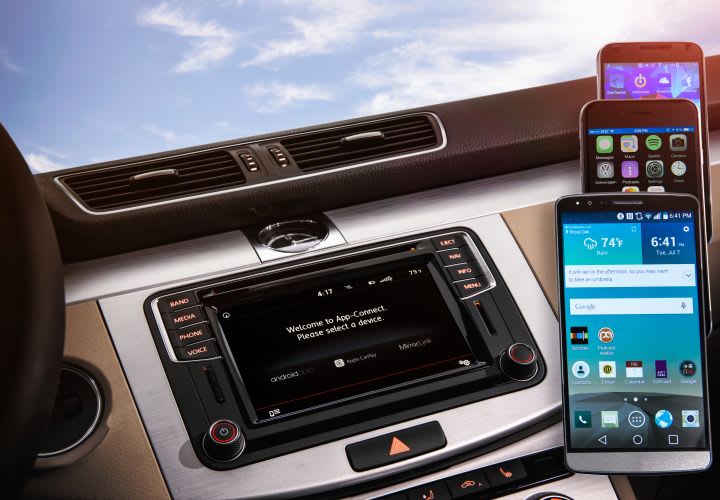
Photo courtesy of VW.
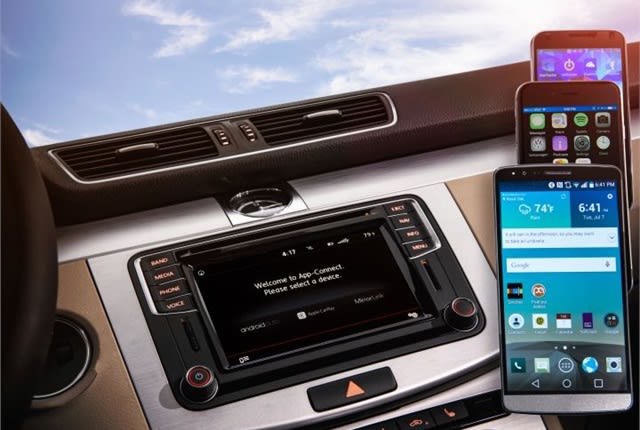
Photo courtesy of VW.
Volkswagen will introduce its new MIB II infotainment system that integrates smartphone user interfaces on most of its 2016 model-year vehicles, the automaker has announced.
The system, which will be available later this year, will offer Apple CarPlay, Android Auto, and MirrorLink connectivity across its lineup in most trim levels.
Volkswagen's system will offering the Car-Net connected vehicle service umbrella that includes Security and Service features such as connected car services and advanced telematics, Guide and Inform features such as navigation and advanced infotainment systems, and App-Connect provides smartphone integration through the three interfaces.
The Modular Infotainment Platform (MIB II) offers higher resolution, faster processing speeds, and crisp graphics that further improve on the MIB I system offered in 2015 Volkswagen Golf models.
These units feature touchscreens as standard equipment on all models. On most models, the display utilizes a capacitive touch sensor that enables gesture controls such as swiping and pinch-zooming rather than the resistive touchscreens that require pressure and have slightly longer response times.
Vehicles with MIB II will also feature a proximity sensor, which senses when a hand is nearby and automatically switches its display to allow easier selection of specific features.
Entry-level models will feature a Composition Color touchscreen radio with a 5.0-inch resistive 400-by-240 color display and a host of standard features including AUX-in, SD card slots, and a USB multimedia interface with Apple iPhone and iPod compatibility, reverse camera display, and Bluetooth technology.
Read the full release here.
More Operations
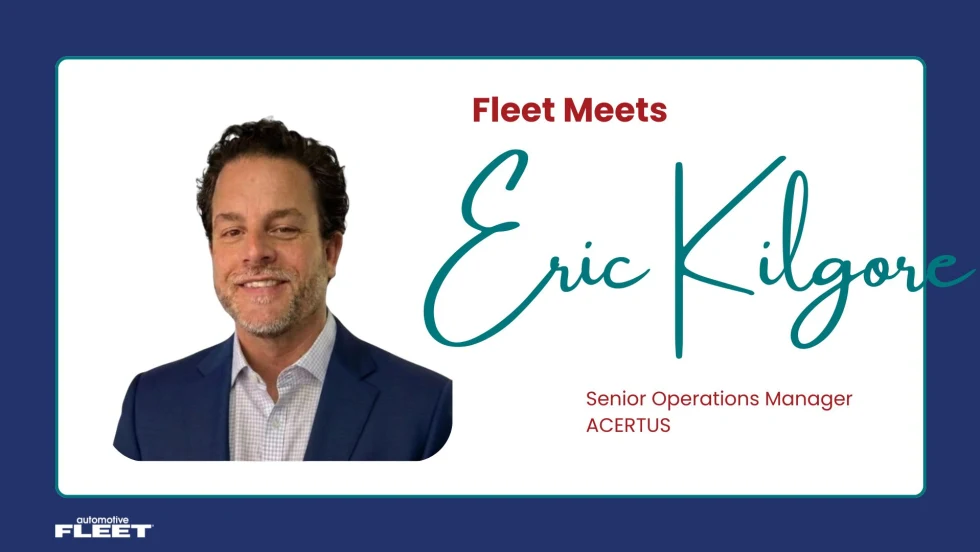
Fleet Meets: Eric Kilgore
This edition of the Fleet Meets series features one of the industry's best leaders driving multi-market and national operations.
Read More →
Why Reactive Fleet Management Is Becoming Too Expensive to Sustain
Research highlights a growing need for proactive management strategies to address rising costs in fleet operations effectively.
Read More →
What Your Fleet KPIs Aren’t Telling You
Tracking fleet metrics is only useful when the data leads to better decisions. This guide helps fleet leaders assess cost, utilization, and downtime more accurately, identify performance gaps, and prioritize the actions that can improve operational results.
Read More →


Hidden in Plain Sight: Fleet Compliance Risks
Fleet compliance isn't just about having policies — it's about consistently enforcing them. This practical guide reveals six hidden compliance risks common in public sector and shared fleet operations and outlines proven strategies to improve visibility, accountability, and audit readiness
Read More →
Turning Fleet Payment Data into Executive Insights
Does data alone drive results in operations?
Read More →
Automotive Fleet Opens 2026 Personal Use Survey for Commercial Fleet Managers
Commercial and corporate fleet managers are invited to share how their organizations handle company vehicle personal-use policies, charges, and driver eligibility.
Read More →
Gary Van Orden Retires After Nearly Four Decades in Commercial Fleet
From answering customer calls at Ford Motor Company to leading fleet sales across multiple OEMs and a fleet management company, Gary Van Orden's career reflects nearly four decades of leadership in commercial fleet.
Read More →
How Stellantis Plans to Get Ahead of Fleet Downtime
Vehicle acquisition may grab the headlines, but fleet uptime increasingly determines operating success. Darren Bradshaw of Mopar North America gives the details.
Read More →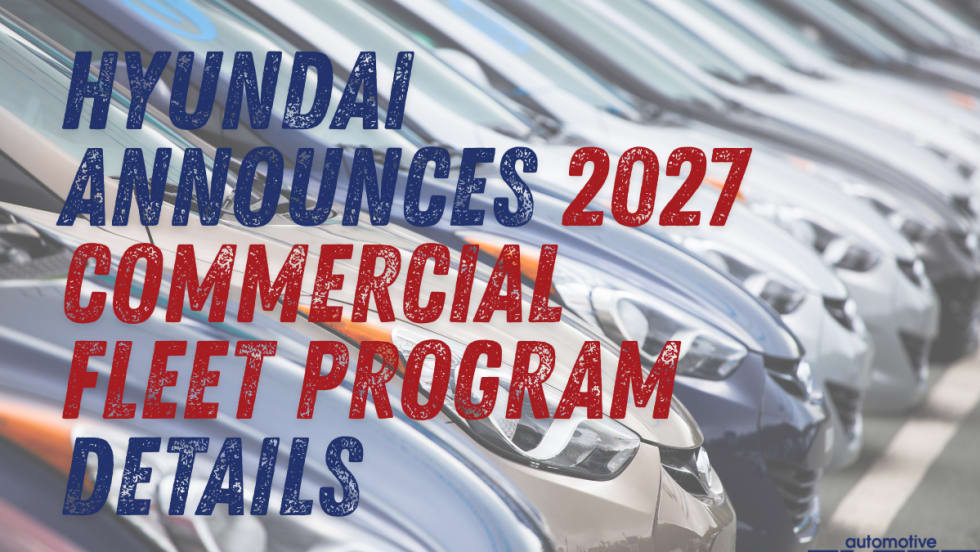
Hyundai Releases 2027 Commercial Program Incentives
The 2027 Model Year "Fleet Street Incentives" are available to commercial and government fleets.
Read More →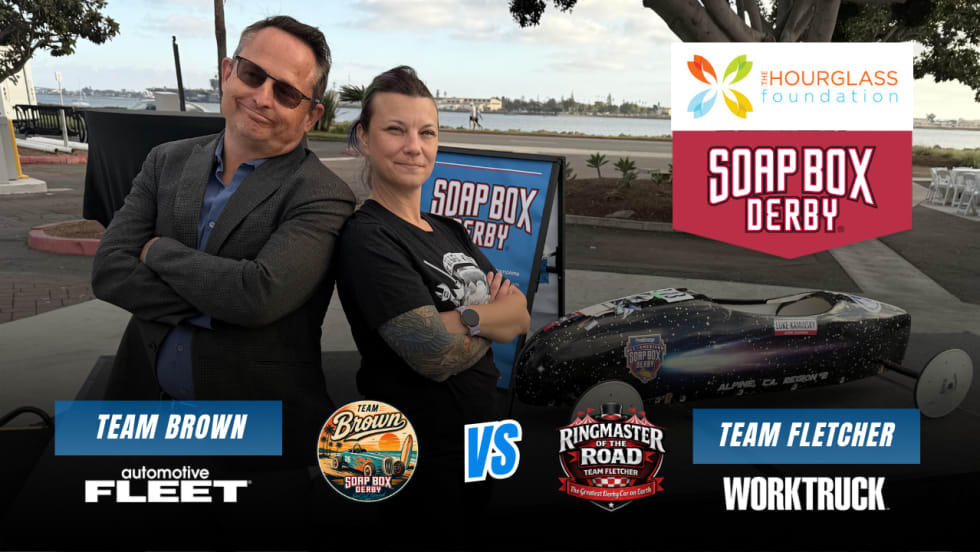
It's All Downhill from Here! Fleet Industry Raises $22,000 for Skilled Trades Scholarships
Work Truck’s Lauren Fletcher and Automotive Fleet’s Chris Brown turned a friendly racing rivalry into $22,000 for automotive technology and skilled trades scholarships.
Read More →