




Video: InterCore’s Driver Alertness Detection System Now Available
DADS is a real-time monitoring and warning system that can help prevent accidents caused by driver fatigue, lack of alertness or distractions.


InterCore’s DADS – the network-based Driver Alertness Detection System –- is now available for purchase at DADS.SRGINT.com.
DADS is a real-time monitoring and warning system that can help prevent accidents caused by driver fatigue, lack of alertness or distractions. DADS, which operates as a cloud-based service, was developed by InterCore subsidiary SRG International Inc.
“We are excited to be bringing DADS to the market with consumer and commercial versions, offering both sectors a simple, highly effective way to detect fatigue and distractions while driving,” said InterCore CEO James E. Groelinger. “The DADS service alerts drivers and dispatchers to unsafe driver conditions to help avert tragedies and disasters on our roadways. It is the first solution that provides advance warnings of fatigue for all drivers – commercial fleets, mass transit operators, commuters, young drivers, and everything in between.”
The DADS service uses sophisticated technology to assess three stages of alertness in drivers. The system captures important information from users with an approved Bluetooth camera linked to a smartphone. When the DADS service detects reduced driver alertness that could lead to unsafe vehicle operation, the system alerts the driver using audible and visual signals. DADS also sends appropriate notifications to third parties, such as dispatch centers.
DADS generates these alerts up to two hours before a driver’s alertness diminishes to such a dangerous level that sleep could occur. The early warnings provided by the DADS service provide ample time for proper preventive action to be taken, thereby averting accidents, protecting property, and saving lives.
InterCore Inc., based in Delray Beach, Fla., is a public company focused on the commercialization and deployment of DADS and related products through its wholly owned subsidiary SRG International.
DADS uses proprietary alertness detection technologies based on an algorithm that was developed in correlation with the electroencephalogram (EEG).
For more information, click here. To watch a promotional video, click on the image or link under the headline.
More Safety

Tips for Driving Safely on Halloween Night
This video features a reminder from the Connecticut Department of Transportation (DOT) and the Connecticut Police Chiefs Association, urging drivers to prioritize safety this Halloween.
Read More →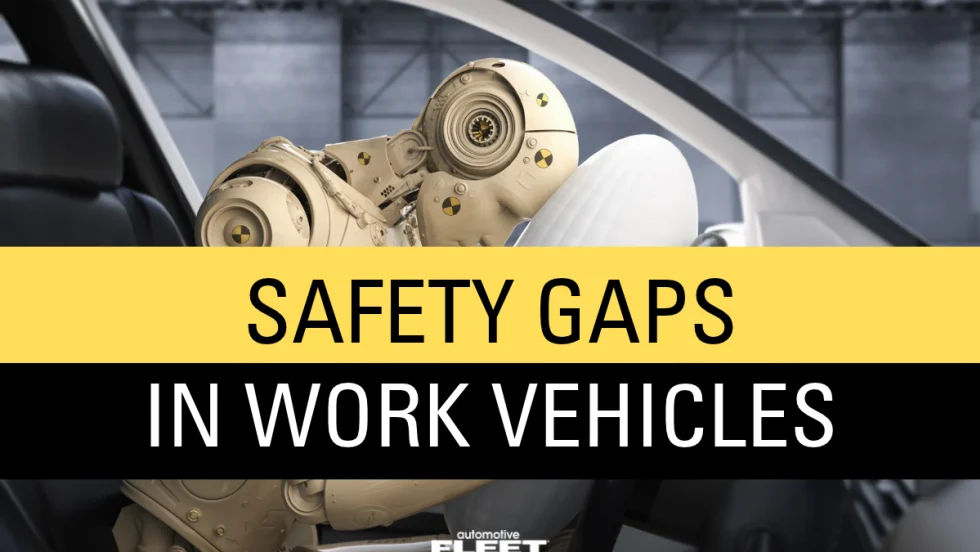
IIHS Crash Avoidance Tests Reveal Safety Gaps in Cargo Vans and Work Trucks
New crash-avoidance ratings from the Insurance Institute for Highway Safety reveal inconsistent performance among commercial vehicles, with several popular cargo vans and heavy-duty pickups struggling to avoid collisions with other vehicles and pedestrians.
Read More →
What’s Next for Fleet? Safety, AI & Industry Recognition | AF News Recap
Could your company's culture be encouraging distracted driving? This week, we're exploring how workplace expectations affect driver safety, what AI, EVs, and autonomous vehicles could mean for the future of fleet management, and how fleet professionals can strengthen their award nominations.
Read More →
Does Your Fleet's Culture Encourage Distracted Driving?
What happens when the people responsible for enforcing safety rules are the ones setting the wrong example? The answer may reveal why some of the biggest risks to fleet drivers have little to do with what's written in the employee handbook.
Read More →
Fleet Manager’s Ultimate Playbook: Navigating the New Standard in OEM Connectivity
Rising operating costs, driver safety concerns, and unplanned downtime are putting unprecedented pressure on modern fleets. Discover how fleet managers use embedded OEM connectivity and real-time vehicle data to cut TCO, prevent downtime, and protect drivers without aftermarket telematics hardware.
Read More →
From Driver Well-Being to EV Charging | AF News Recap
Mental health belongs in the fleet safety conversation. This week, we’re looking at five ways fleets can support employee well-being before a crisis, plus Holman’s expansion in Mexico, new one-day Fleet Forward passes, and why EV charging demand is outpacing infrastructure growth.
Read More →
Nexar-Nauto Merger Aims to Give Fleets Better Safety Intelligence Through Larger Driving Dataset
Stefan Heck tells Automotive Fleet that combining more than 10 billion miles of driving history with Nexar's AI models will give fleets deeper insights into driver risk and roadway conditions than either company could provide independently.
Read More →
Don't Wait for a Crisis: 5 Ways to Build Mental Health Into Your Fleet Safety Program
For Suicide Prevention Month, fleet and safety leaders have an opportunity to put mental health where it belongs: at the center of workplace safety.
Read More →
How Camera Data Can Strengthen a Fleet’s Insurance Renewal
Insights from a commercial insurance carrier and a broker show how fleets can turn video telematic data, driver coaching, and improved claims results into a stronger case at insurance renewal.
Read More →
The Safest Fleets Aren’t the Ones with the Most Technology
You’ve made the telematics investment. Here’s how to capture the other half of its value and build the safest fleet on the road.
Read More →