




PepsiCo Fleet Director Retires
Pete Silva, PepsiCo's acclaimed fleet director, retired Monday after 32 years of service, including the last 14 in fleet operations and purchasing for the multinational food-and-beverage corporation.

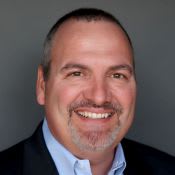
SILVA

SILVA
Pete Silva, PepsiCo's acclaimed fleet director, retired Monday after 32 years of service, including the last 14 in fleet operations and purchasing for the multinational food-and-beverage corporation.
Silva leaves his role as senior director of fleet procurement at PepsiCo and indirect purchasing for FritoLay. Silva is highly regarded in the commercial fleet industry, and served on many client advisory boards. In 2008, Silva was named the Fleet Executive of the Year by Fleet Financials magazine.
"I worked for a great company and learned a lot about the fleet industry thanks to Automotive Fleet magazine and the many other periodicals produced by Bobit Business Media," said Silva. "I look forward to starting the next phase of my career and life. As for today, I'm out fishing!"
Silva's most significant accomplishment at PepsiCo has been developing purchasing synergy between the company's operating units and its bottlers. Prior to Silva's leadership, each operating unit executed its own purchasing contracts and processes, which led to an inconsistent vendor base and pricing structure. By consolidating the purchasing effort, strategic alliances were developed with suppliers, and the operating units could share best practices and benefit from volume leveraged pricing.
Silva started at PepsiCo/FritoLay in 1982, working in plant operations management. During the next 16 years, Silva worked in plant operations in California (Rancho Cucamonga, Kern, Casa Grande, and Pleasanton) and later in Irving, Texas; Jonesboro, Ark.; and Plano, Texas.
Silva got his start in fleet in 1998 working as the fleet director for FritoLay, a position he held until 2004. He started his working career in 1980 while still at college as a co-op industrial engineer at The Walt Disney Company.
By Mike Antich
More Operations

Company Vehicle or Reimbursement? How Fleets Are Rethinking Assignments
As fleet costs and insurance pressures rise, fleet managers are taking a closer look at which employees need company-provided vehicles and when a reimbursement program may make more sense.

Fleetio, ASE Launch Scholarship Program for Automotive Technicians
The second annual program will award 15 scholarships totaling $35,000 to support ASE certification, testing fees, and equipment costs.

Reading the Global Signals: What AI and the Energy Transition Mean for Fleets Now
In this opening keynote of the 2026 Fleet Forward Conference, John Rossant, founder of CoMotion, How can fleet managers navigate a never-ending, changing industry landscape?

90% Use Telematics. Are Fleets Getting Safer? | AF News Recap
This week, we're breaking down which industries have the highest rates, how Jamie McKay manages 2,400 vehicles, what's happening with the 2027 fleet awards, and why software-defined vehicles could introduce new costs.

What's Best Handled by an FMC, and What's Better Done Directly?
Fleet managers continue to rely on FMCs for essential services but are taking a closer look at where working directly with suppliers can improve efficiency and responsiveness.

Fleet Meets: Erin Gilchrist
Meet Erin Gilchrist, the inaugural Mike Antich Spirit of Fleet Award winner, as she shares insights on leadership, mentorship, the power of industry connections, and why people remain at the heart of fleet's future.

How 2026 Fleet Visionary Jamie McKay Manages 2,400 Vehicles Across 37 States
How do you keep 2,400 vehicles running across 37 states? Fleet Visionary Award winner Jamie McKay shares how collaboration, flexibility, and a few simple strategies help her tackle fleet management challenges at Aptive Pest Control.

Managing Fleet Costs in an Era of Permanent Volatility
Fleet operating costs have risen more than 20% since 2020, raising a key question: When does extending a vehicle's service life stop making financial sense?

The Next Evolution of Fleet Management: Autonomous Operations
This opening keynote session at the Fleet Forward Conference highlights the future of autonomous driving for fleets.

How to Reduce the Total Cost of Risk From Catalytic Converter Theft
A stolen catalytic converter can cost fleets far more in downtime and lost productivity than in repairs. A total-cost-of-risk approach can help fleet managers quantify their exposure and prioritize theft prevention.