




GM's Long-Lasting Brake Technology Will Be on 80 Percent of its Models by MY-2016
DETROIT - GM said its FNC corrosion-protection process has helped reduce warranty claims on its vehicles equipped with treated rotors by 70 percent.
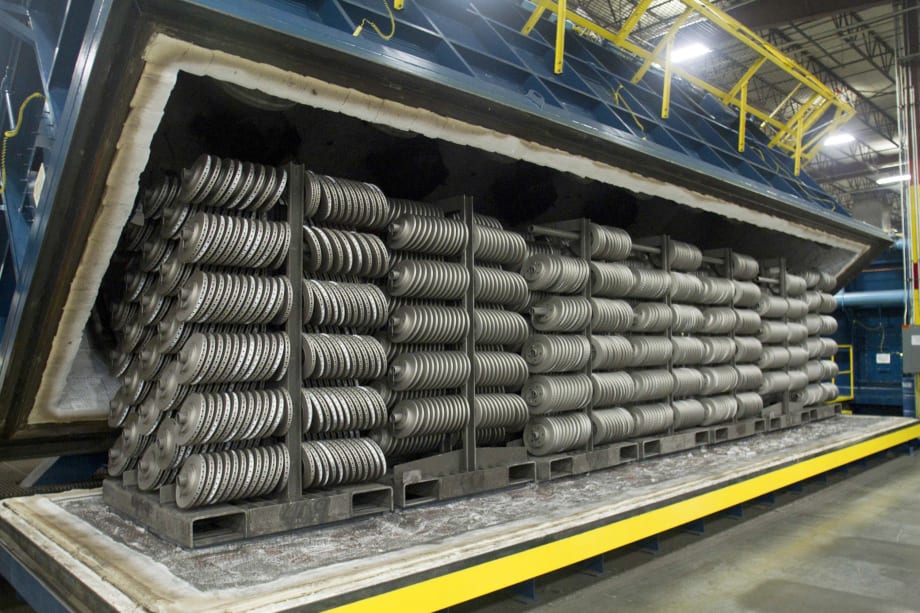
Brake rotors coming out of the oven where they are treated using the FNC process.

Brake rotors coming out of the oven where they are treated using the FNC process.
DETROIT – General Motors’ process for treating brake rotors, potentially doubling their lifespan, will be on 80 percent of the company’s vehicles by 2016.
The automaker said its engineers developed the exclusive corrosion protection process called Ferritic Nitro-Carburizing (FNC), which is used to treat powertrain parts that operate in high-heat conditions, back in 2008. Since then, the automaker said FNC has helped reduce warranty claims on brakes by 70 percent.
Some of the current vehicles that use these brakes are the Chevrolet Malibu, Impala, Volt and Buick Lacrosse and Regal, though currently this technology is on only a small percentage of vehicles in the automaker's portfolio.
In terms of upcoming models that will use this technology, a GM spokesperson said the 2013-MY Chevrolet Malibu, and the 2013-MY Cadillac XTS, will have FNC rotors.
GM stated that FNC treatment of brake rotors can save vehicle owners more than $400 per vehicle over 10 years.
During the FNC process, brake rotors are super-heated to 560 degrees C in an oven and nitrogen atoms bond to the surfaces of the steel rotors, hardening and strengthening them. The coating's thickness is roughly one-tenth the width of a human hair.
A GM spokesperson said the automaker has continued to improve the process since it began using it back in 2008. GM originally used a salt bath process and is now using a more efficient "gaseous" process, which the automaker said improved results.
“Rotors aren’t a cheap thing to replace,” said Webster. “So doubling the average life expectancy of the brake rotors from 40,000 to 80,000 miles is something we think our customers will appreciate.”
More Maintenance
How Can Fleet Managers Tell Which Repairs Require Closer Review?
Fleetio’s Brianna Perry demonstrates how Service Advisor evaluates maintenance requests, identifies pricing anomalies, and provides the context fleet managers need to focus their attention on potential problems.
Read More →
Why Roadside Assistance Belongs in a Fleet Risk Strategy
Roadside assistance is more than a tow. See how the right partner can protect drivers, uncover fleet trends, and strengthen your risk strategy.
Read More →
Hidden in Plain Sight: Fleet Compliance Risks
Fleet compliance isn't just about having policies — it's about consistently enforcing them. This practical guide reveals six hidden compliance risks common in public sector and shared fleet operations and outlines proven strategies to improve visibility, accountability, and audit readiness
Read More →
How Maintenance Costs Compare Across 27 Fleet Vehicles
Vincentric’s three-year, 60,000-mile projections reveal wide differences for both scheduled and unscheduled maintenance among selected vehicle categories. Projected maintenance visits also play a factor.
Read More →
The EV Breakdown Nobody's Talking About: Why Most Electric Vehicle Roadside Calls Aren't Mechanical Failures
Here's why EV breakdowns are widely misunderstood.
Read More →
How Stellantis Plans to Get Ahead of Fleet Downtime
Keeping fleet vehicles on the road has become as important as buying them. Darren Bradshaw of Mopar North America explains how connected vehicle data, AI, and proactive service strategies are helping Stellantis reduce downtime and move closer to predictive maintenance.
Read More →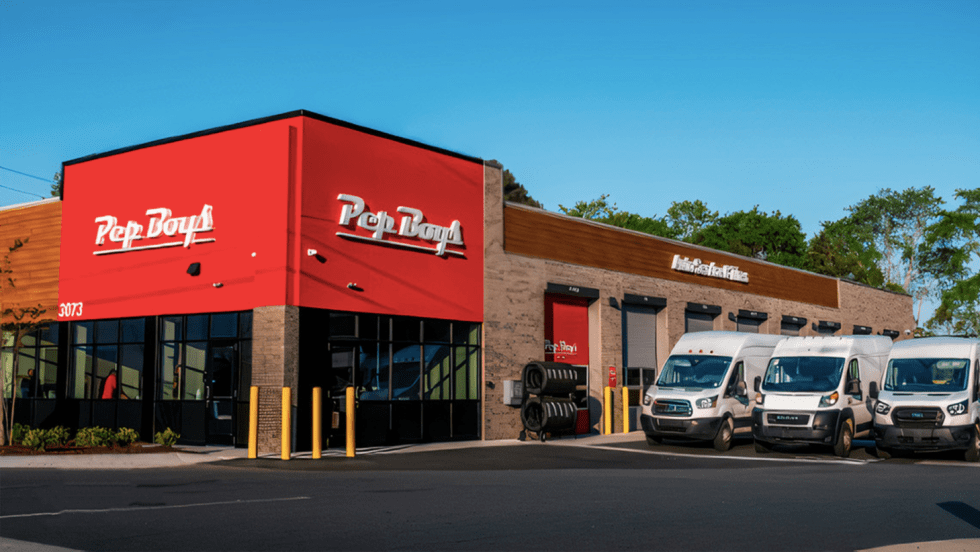
Merchants Fleet Expands Maintenance Network with Pep Boys
Merchants Fleet has expanded its relationship with Pep Boys, increasing the service provider's role within its national maintenance network. The move is intended to enhance maintenance coordination and support commercial fleets through Pep Boys' nationwide footprint.
Read More →
The Two Biggest Summer Downtime Threats for Fleets
A conversation with a maintenance expert reveals the two most common summer maintenance pains and how to prevent them.
Read More →
Turning Connected Vehicle Data Into Decisions That Matter
Fleet leaders have more data than ever, but turning that data into clear, actionable decisions remains a challenge. This white paper shows how leading organizations are using connected vehicle data to improve safety, reduce costs, and optimize fleet performance. Learn how to turn insight into action across your fleet.
Read More →
Are You Tracking Your Fleet's True Total Cost of Ownership?
Bobit Business Media surveyed 190 fleet professionals and found that while most fleets are tracking costs, fragmented systems and data gaps are keeping true TCO visibility out of reach. With rising pressure to control spend in an increasingly volatile environment, the gap between what fleets think they know and what the data actually shows is wider than you might expect. See how your peers are managing costs today and where the industry still has room to improve.
Read More →