Ford Details All-New Transit Van Body Styles and Transit Connect Cargo Van Features
Ford released more details about its upcoming 2014-MY full-size Transit van, including information about its available body styles, trim levels, roof heights, and cargo capacity. The automaker also released new information about the cargo van version of its all-new Transit Connect.
by Staff
December 14, 2012
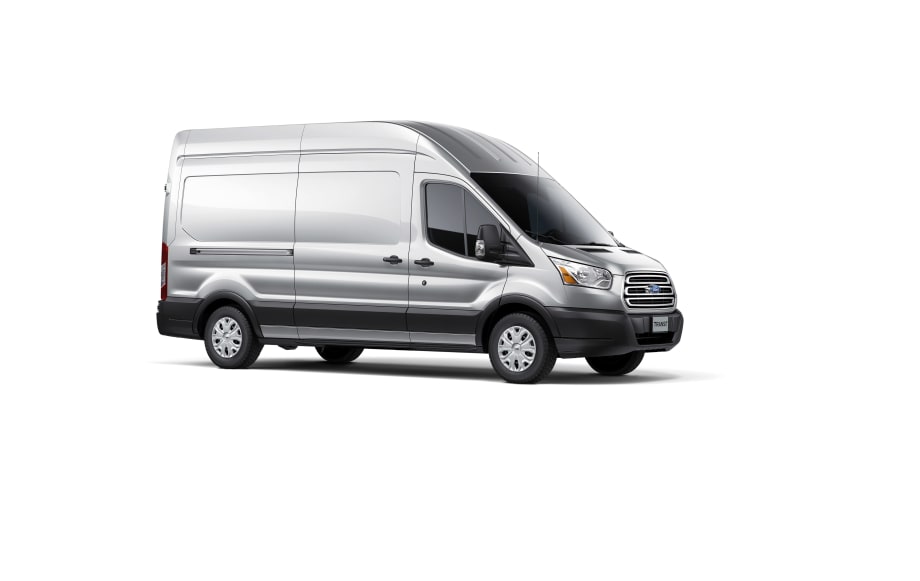
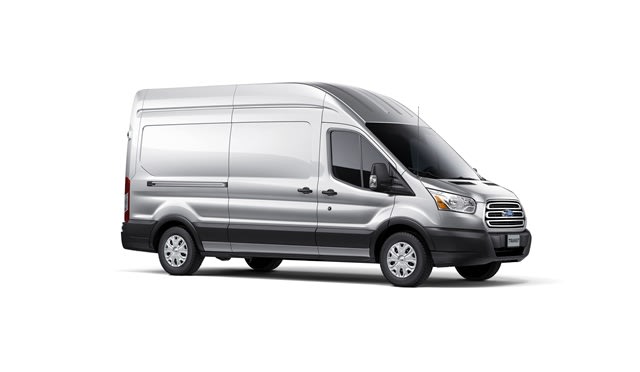
This is the high roof, long wheelbase version of the full-size Transit van.
4 min to read
This is the high roof, long wheelbase version of the full-size Transit van.
Ford released more details about its upcoming 2014-MY full-size Transit van, including information about its available body styles, trim levels, roof heights, and cargo capacity. The automaker also released new information about the cargo van version of its all-new Transit Connect.
Ford Details Transit Van Roof Heights, Body Styles and Cargo Capacities
Starting with the Transit, it will come in three body lengths, two wheelbases, three roof heights, five body styles, and two trim levels. The body styles for the van include the following: van, wagon, chassis cab, and cutaway. Trim levels include XL and XLT.
Regarding the specifications for the models with different roof heights, the high-roof model features 81.5 inches of interior cargo height and the overall vehicle height is 110.2 inches. The medium-roof model has room for up to 72 inches of cargo height and is 100.8 inches tall, and the low-roof model has room for 55.8 inches of cargo height and is 83.2 inches tall.
Cargo volumes range from 250 to nearly 500 ft. (in a “jumbo” configuration, according to Ford), which the automaker said is 80% more space than the largest E-Series van and more than twice the volume of the standard E-Series. For towing, a Class IV hitch is available.
Inside, the Transit van’s rear cargo doors can open up to 270 degrees, and Ford said it designed the vehicle’s interior to allow for easy upfitting with racks, bins, shelves, and other types of cargo storage solutions. For the passenger version of the Transit, the largest model can carry up to 15 people.
This diagram shows the different roof height options for the Transit.
Beyond cargo space and configurations, Ford provided details on the Transit’s construction and service life. The company said it engineered the vehicle for a severe-usage service life of 10 years and 150,000 miles. The Transit features unibody construction and the automaker said it made extensive use of high-strength and boron steel throughout the vehicle. Ford added the durability testing program for the Transit involved 148 prototype vehicles that underwent 215 separate tests to evaluate the long-haul functionality of vehicle systems and hardware.
Ad Loading...
As noted in Automotive Fleet’s previous coverage of the all-new Transit, the powertrain choices include a 3.7L V-6, with a compressed natural gas/liquid propane gas (CNG/LPG) prep kit and E85 flex-fuel capability, the all-new 3.2L Power Stroke five-cylinder common rail turbo diesel engine, and the 3.5L EcoBoost engine. Ford matched each engine with a six-speed automatic transmission. The Transit is a rear-wheel-drive vehicle.
For handling, steering, and ride quality, the Transit features a power rack-and-pinion steering system. The front suspension is composed of subframe-mounted MacPherson struts and a stabilizer bar for improved cornering, progressive rear leaf springs, and heavy-duty gas-charged dampers.
Ford said the all-new full-size Transit can is set to go on sale in fall 2013.
All New Transit Connect Van
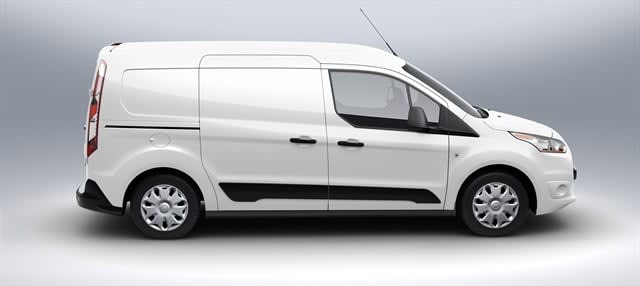
Shown here is the long wheelbase version of the Transit Connect Van, the cargo version of the all-new Transit Connect.
Ford released new information about its Transit Connect cargo van, officially called the Transit Connect Van (as opposed to its passenger-oriented sibling, the previously announced Transit Connect Wagon).
Under the hood, the all-new Transit Connect Van cargo version offers two four-cylinder engine choices, a standard 2.5L and an optional 1.6L EcoBoost engine. Ford said it estimates the 1.6L EcoBoost version of the Transit Connect will get at least 30 highway mpg. The automaker paired each engine with a six-speed automatic transmission.
For buyers interested in using alternative fuels, they can specify a compressed natural gas/liquid propane gas (CNG/LPG) prep package for 2.5L engine in the all-new Transit Connect.
Inside, the van is available with or without second-row seats. It offers a rear-view camera and a 6.5-inch touchscreen display with navigation and SYNC with MyFord Touch as options. The vehicle comes standard with Ford’s programmable MyKey system, which allows fleet administrators to restrict maximum vehicle speed and set the audio system’s maximum volume level.
The all-new Transit Connect Cargo van will come in two wheelbase lengths and two trim levels, XL and XLT. It has a 1,600-lb. payload capacity and offers more than 130 ft. of cargo space. The van is also approved to tow up to 2,000 lbs. when equipped appropriately.
When it comes to safety, all Transit Connect van models feature first-row frontal and side airbags, first-row side curtain airbags, and a tire pressure monitoring system.
Ad Loading...
Ford also offers its telematics system for this vehicle, the Ford Work Solutions Crew Chief telematics system, which is powered by Telogis.
The automaker said the Transit Connect Van will go on sale in late 2013.
AI is no longer a future concept for fleets—it’s already embedded in the tools, data, and decisions that operators rely on every day. In this episode of the Fleet Forward Podcast, recorded live at Fleet Forward, industry leaders take the conversation beyond hype to examine what responsible AI adoption really looks like in fleet operations.
As fleets rethink how they capture, manage, and act on vehicle data, telematics is at a major inflection point. In this episode of the Fleet Forward Podcast, we dive deep into one of the most pressing questions facing fleet leaders today: Should you rely on OEM factory-installed connectivity, aftermarket devices, or a hybrid of both?
Experts from telematics analytics, fleet-as-a-service operations, and national EV benchmarking share how real-time data is reshaping fleet strategy—dispelling assumptions, validating best practices, and exposing costly missteps.
A powerhouse panel featuring experts from the American Automotive Leasing Association, CalSTART, and municipal fleet leadership dives into the realities of navigating shifting emissions rules, regulatory waivers, federal agency actions, the future of the EPA’s endangerment finding, and the push for unified standards. They also examine the impacts of tariffs, autonomous vehicle policy, battery innovation, and the accelerating global EV market.
This episode kicks off with a deep dive into the technologies and market forces reshaping today’s fleet landscape. Host Chris Brown is joined by Laolu Adeola (Leke Services), Tyson Jomini (J.D. Power), and Richard Hall (ZappiRide) to break down real-world data, shifting incentives, and practical strategies fleet leaders can use right now.
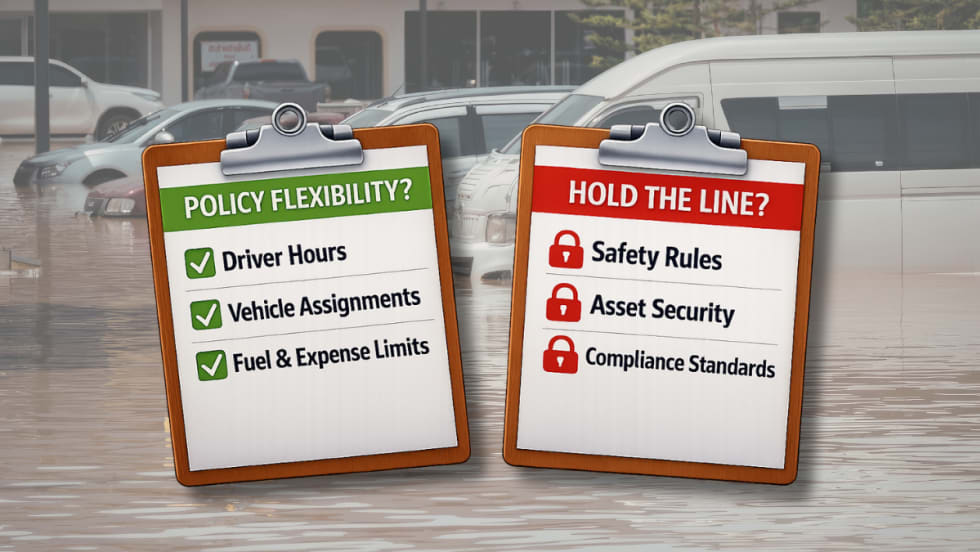
In the middle of natural disasters fleet managers must shift priorities to protect people and assets. What policy items should be loosened, and when should the line be held?
In this episode, fleet leaders from municipal, university, and private-sector organizations share a candid EV reality check. From infrastructure setbacks and policy whiplash to grant funding, total cost of ownership, and charging resiliency, this conversation dives into what it actually takes to scale electrification in the real world.
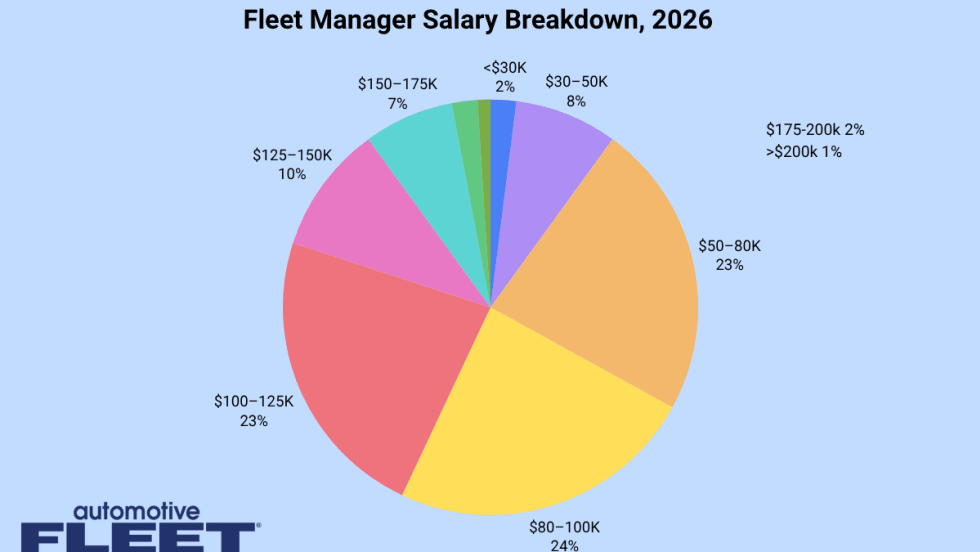
After a decade of lagging compensation, fleet manager pay is climbing. But expanding responsibilities, larger fleets, and growing complexity continue to redefine the role.