




Commercial Fleet Sales Increase 1.4% in 2017
Sales of vehicles to commercial fleets from nine manufactures fell 5.5% in December but increased 1.4% in 2017, following a 2.7% increase the prior year, according to Automotive Fleet data.


Photo of 2017-MY half-ton pickups courtey of FCA, Ford, GM, and Nissan.
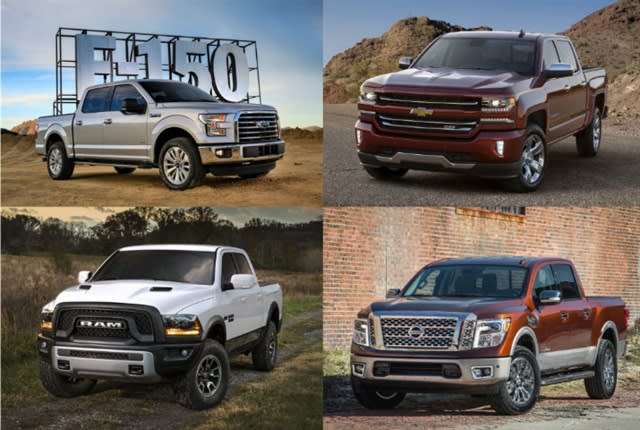
Photo of 2017-MY half-ton pickups courtey of FCA, Ford, GM, and Nissan.
Sales of vehicles to commercial fleets from nine manufactures fell 5.5% in December but increased 1.4% in 2017, following a 2.7% increase the prior year, according to Automotive Fleet data.
In December, commercial fleets purchased 62,520 units, including 52,555 pickups, vans, and SUVs (a 7.2% decline from a year ago) as well as 9,965 passenger cars (a 4.7% increase from December of 2016).
In 2017, commercial fleets purchased 682,971 units, including 596,738 in the truck category (a 4.8% increase) and 86,233 passenger cars (a 17.5% decline).
Sales to government fleets from five manufacturers increased 1.2% to 19,930 for the month with truck sales increasing 3.5% to 16,363 and car sales decreasing 7.9% to 3,567. For the year, government sales fell 6.4% to 261,892 with car sales down 4.6% to 48,791 units and truck-based sales down 6.8% to 213,101.
Daily rental sales from nine manufacturers dropped 4.8% to 125,404 for the month with truck sales decreasing 10.5% to 60,661 and car sales increasing 1.2% to 64,743. For the year, government sales fell 12.3% to 1.59 million with car sales down 16.1% to 762,099 units and truck-based sales down 8.4% to 830,281 units.
For all three segments, fleet sales in December fell 4.5% to 207,854 versus a year ago with a 1.2% increase to 78,275 units in car sales and a 7.6% decrease to 129,579 units in truck-based sales.
Year to date, the three fleet segments have fallen 8.1% to 2.53 million with a 15.3% decline in car sales to 897,123 and a 3.7% decline in truck sales to 1.64 million.
More Operations

New Trucks, AI & Summer Downtime | AF News Recap
From new truck updates to AI-powered driver coaching and summer maintenance tips, this week's fleet headlines are all about keeping things moving.
Read More →
Slate Debuts Colorful, Unique EV Models
A recent media and client event, studded with electric vehicles dressed up on platforms, planted a new position for the manufacturer in the wider EV market. Fleets will find cost-saving advantages.
Read More →
Element, Waymo Partner on Autonomous Fleet Operations
The multi-year agreement will support fleet management services for Waymo's autonomous ride-hailing operations, beginning in San Diego.
Read More →

Slate Electric SUV, Pickup Switchable Model Aims For Light-Duty Fleets
Everything about this EV is counterintuitive and understated, making it stand out from the crowd.
Read More →
How to Manage Conflict for Your Fleet Operations
Conflict management is becoming a core leadership skill. Here are five strategies fleet leaders should know.
Read More →
Turning Connected Vehicle Data Into Decisions That Matter
Fleet leaders have more data than ever, but turning that data into clear, actionable decisions remains a challenge. This white paper shows how leading organizations are using connected vehicle data to improve safety, reduce costs, and optimize fleet performance. Learn how to turn insight into action across your fleet.
Read More →
Cameras, Safety and Insurance: From Reactive Claims to Real-time Prevention
Commercial auto remains one of the most challenging and costly lines of coverage for fleet operators and insurers alike. Learn more about how to effectively address these issues from Onur Aksan, Enterprise Business Development Executive, Geotab.
Read More →
Are You Tracking Your Fleet's True Total Cost of Ownership?
Bobit Business Media surveyed 190 fleet professionals and found that while most fleets are tracking costs, fragmented systems and data gaps are keeping true TCO visibility out of reach. With rising pressure to control spend in an increasingly volatile environment, the gap between what fleets think they know and what the data actually shows is wider than you might expect. See how your peers are managing costs today and where the industry still has room to improve.
Read More →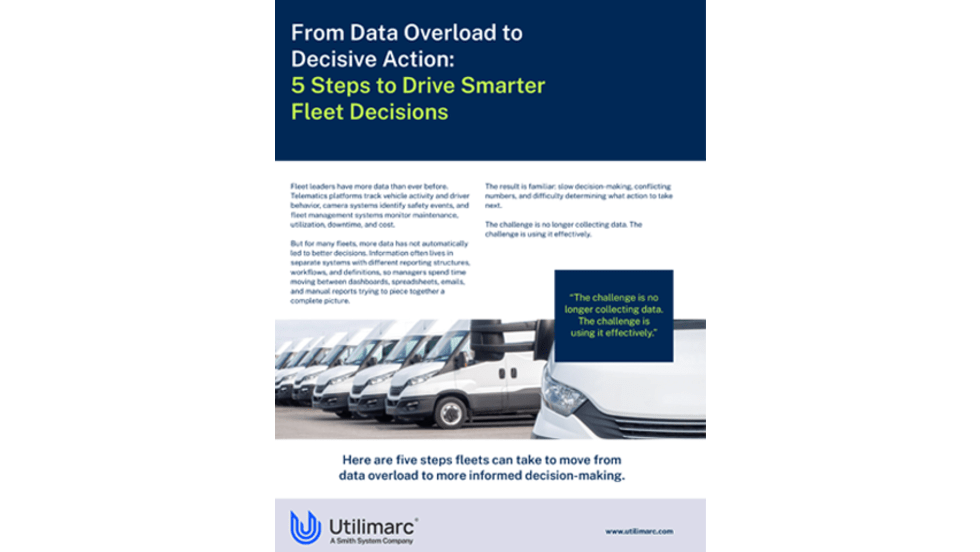
Turn Fleet Data Into Smarter Decisions
Fleet leaders have access to more operational data than ever, but disconnected systems and unclear metrics often slow decision-making instead of improving it. This whitepaper outlines five practical steps fleets can take to transform fragmented data into actionable insights that improve planning, safety, utilization, and long-term performance.
Read More →
Hybrids: Electrification Without the Challenges
For fleet managers, fuel is one of the biggest line items in the budget — and it's one hybrids can shrink without changing how your people work. Download the eBook to see the numbers, understand the technology, and get a step-by-step guide to making the switch.
Read More →