




Related: 2016 Nissan Altima Adds Safety Tech
Refreshed 2016 Altima Starts at $23,325
Nissan's 2016 Altima will retail for at least $23,325 and add a seventh trim level, when the mid-size sedan goes on sale Nov. 11., Nissan has announced.
by Staff
October 28, 2015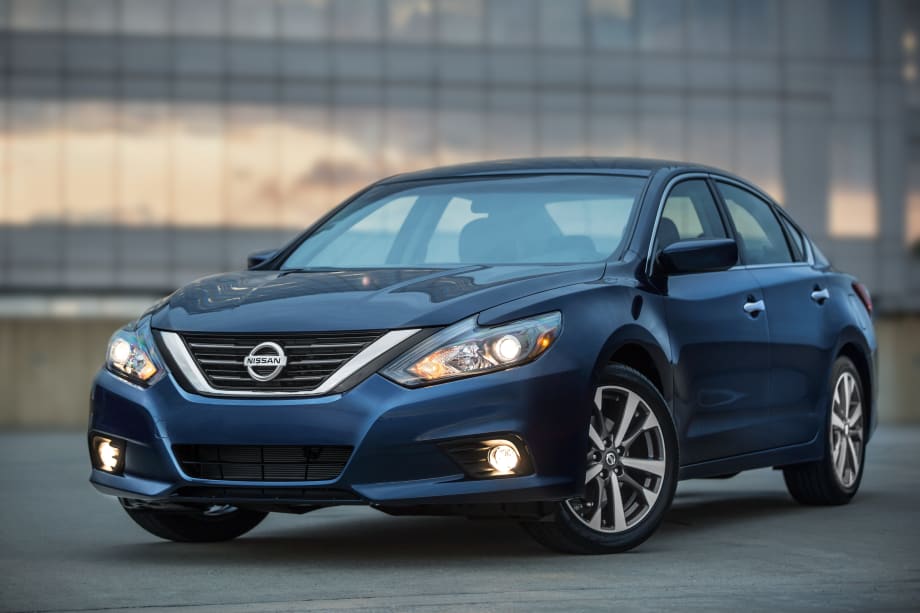
Photo of 2016 Altima courtesy of Nissan.
2 min to read
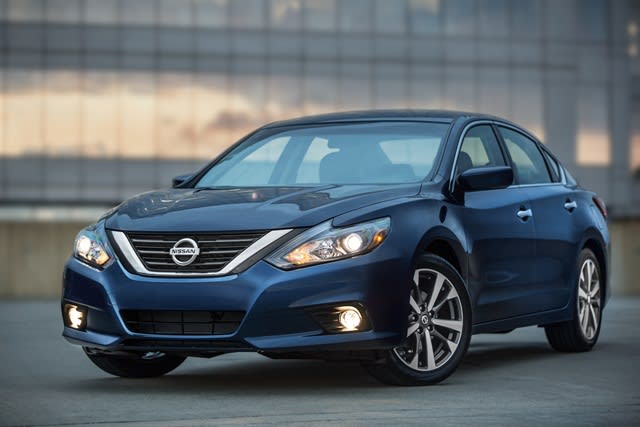
Photo of 2016 Altima courtesy of Nissan.
Nissan's 2016 Altima will retail for at least $23,325 and add a seventh trim level, when the mid-size sedan goes on sale Nov. 11., Nissan has announced.
The new sporty SR trim features smoked headlights, paddle shifters, unique suspension tuning and sport interior accents.
The Nissan Altima 2.5 SR trim is priced at $25,295 and the 3.5 SR trim will cost $28,215. The Altima 2.5 S will be $23,725, the 2.5 SV $26,285, the 2.5 SL $29,395, and the 3.5 SL is priced at $32,915. Pricing for the 2016 Altima includes the $825 destination and handling fee.
The 2016 Altima 2.5 trims offer standard fuel economy of 39 mpg for highway, according to Environmental Protection Agency fuel economy estimates released by the automaker.
The mid-cycle refresh features retuned steering and suspension, the Xtronic transmission’s third-generation D-step logic, which simulates traditional automatic transmission shift points and improves performance.
Upgraded technology features include standard Siri Eyes Free and NissanConnectSM with mobile apps (not available for the 2.5 grade), available NissanConnect with navigation and mobile apps, and NissanConnect Services powered by SiriusXM telematics (subscription required, sold separately).
The five 2.5-liter models feature a 182-hp 2.5L DOHC inline 4-cylinder engine, while 3.5L Altimas offer a 270-hp 3.5L DOHC V6.
In 2013, commercial fleets registered 7,681 Altima sedans, according to Automotive Fleet. Fleets typically choose the base 2.5 or 2.5 S trim models, said Tim Gallagher, a Nissan spokesman.
More Operations

Company Vehicle or Reimbursement? How Fleets Are Rethinking Assignments
As fleet costs and insurance pressures rise, fleet managers are taking a closer look at which employees need company-provided vehicles and when a reimbursement program may make more sense.
Read More →
Fleetio, ASE Launch Scholarship Program for Automotive Technicians
The second annual program will award 15 scholarships totaling $35,000 to support ASE certification, testing fees, and equipment costs.
Read More →
Reading the Global Signals: What AI and the Energy Transition Mean for Fleets Now
In this opening keynote of the 2026 Fleet Forward Conference, John Rossant, founder of CoMotion, How can fleet managers navigate a never-ending, changing industry landscape?
Read More →
90% Use Telematics. Are Fleets Getting Safer? | AF News Recap
This week, we're breaking down which industries have the highest rates, how Jamie McKay manages 2,400 vehicles, what's happening with the 2027 fleet awards, and why software-defined vehicles could introduce new costs.
Read More →
What's Best Handled by an FMC, and What's Better Done Directly?
Fleet managers continue to rely on FMCs for essential services but are taking a closer look at where working directly with suppliers can improve efficiency and responsiveness.
Read More →
Fleet Meets: Erin Gilchrist
Meet Erin Gilchrist, the inaugural Mike Antich Spirit of Fleet Award winner, as she shares insights on leadership, mentorship, the power of industry connections, and why people remain at the heart of fleet's future.
Read More →
How 2026 Fleet Visionary Jamie McKay Manages 2,400 Vehicles Across 37 States
How do you keep 2,400 vehicles running across 37 states? Fleet Visionary Award winner Jamie McKay shares how collaboration, flexibility, and a few simple strategies help her tackle fleet management challenges at Aptive Pest Control.
Read More →
Managing Fleet Costs in an Era of Permanent Volatility
Fleet operating costs have risen more than 20% since 2020, raising a key question: When does extending a vehicle's service life stop making financial sense?
Read More →
The Next Evolution of Fleet Management: Autonomous Operations
This opening keynote session at the Fleet Forward Conference highlights the future of autonomous driving for fleets.
Read More →
How to Reduce the Total Cost of Risk From Catalytic Converter Theft
A stolen catalytic converter can cost fleets far more in downtime and lost productivity than in repairs. A total-cost-of-risk approach can help fleet managers quantify their exposure and prioritize theft prevention.
Read More →