




GM, Navistar Collaborate on Class 4/5 Trucks
General Motors is back in the medium-duty commercial truck market with a just-announced long-term agreement with Navistar.
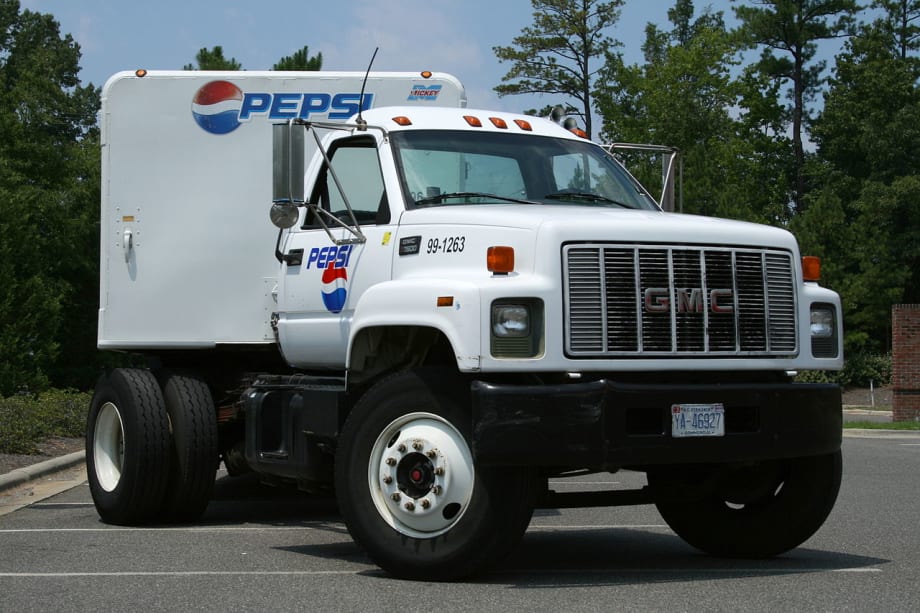
The Chevrolet Kodiak (and similar GMC TopKick) was produced from 1980 to 2009. Photo by Ildar Sagdejev, licensed under GFDL via Commons
The Chevrolet Kodiak(and similar GMC TopKick) was produced from 1980 to 2009.Photo by Ildar Sagdejev, licensed under GFDL via Commons
General Motors is back in the medium-duty commercial truck market with a just-announced long-term agreement with Navistar.
The deal, which will see conventional cab Class 4/5 commercial vehicles hitting the market in 2018, allows Navistar to strengthen its product lineup and GM to expand its Chevrolet commercial truck portfolio.
GM offered medium-duty trucks for decades before getting out of the business in 2009 in the midst of its bankruptcy reorganization and the recession. That decision followed the death of a deal for Navistar to buy GM's medium-duty business.
"Bringing medium-duty conventional cab trucks back into the portfolio strengthens Chevrolet's commitment to providing commercial customers with more choices and one-stop shopping for a versatile lineup of trucks, vans and crossovers," said Ed Peper, U.S. vice president of GM Fleet and Commercial Sales.
The future products will be jointly developed using Navistar's expertise in rolling chassis configurations and manufacturing capabilities, and GM's commercial components and engines. The vehicles will be manufactured at Navistar's facility in Springfield, Ohio. Navistar plans to add 300 jobs and invest more than $12 million in facility upgrades and equipment to produce the new vehicles.
"Our collaboration with GM is another example of our customer-centric, open integration approach — providing our customers with the best technologies available," said Bill Kozek, president, Truck and Parts, Navistar. "By working with an industry-leading company like GM, we'll be able to enhance our medium-duty product portfolio and leverage our scale and expertise in manufacturing medium-duty trucks."
Specific terms of the agreement were not disclosed. Additional product information will be announced later.
This news follows GM's June announcement that it's getting back into the low-cab-forward market through a deal with Isuzu.
Navistar for years built medium-duty trucks for Ford through the Blue Diamond venture, which ended last year. Ford began production of its own F-650 and F-750 this year at its Ohio plant.
More Operations
Here's When You Should Make an Exception to Fleet Policy
Fleet policies are designed to create consistency, but not every driver or situation fits neatly within standard rules.
Read More →
AI-Native or AI-Acquired: What Should Fleet Managers Look for in an AI Platform?
Six questions can help fleet managers look beyond AI marketing claims to evaluate integration, data access, and real-world operational performance.
Read More →
A buyer's guide to fleet management software in 2027
Buying fleet management software in 2027 means looking beyond features and price. As fleet operations, technology and expectations evolve, this guide explores what today’s fleet professionals should consider when choosing a system that can deliver value now and adapt to what comes next.
Read More →

What Will Shape the Next Era of Fleet Management?
EVs, AI, and autonomous vehicles are reshaping fleet management. Discover what’s ahead—and how fleet leaders can prepare for the next era.
Read More →
How Fleets Can Recruit and Train Veterans for Technician Roles
Here's how the technician shortage has affected uptime for fleets, and what to do about it.
Read More →
Avis Budget Group Deploys Neology Toll Management Technology Across Major Brands
Neology’s neoFleet platform will manage toll transactions and toll-authority operations for vehicles across Avis, Budget, Payless, Budget Truck and Zipcar.
Read More →
Fleet Personal-Use Charges Edge Higher in 2026
Nearly eight in 10 surveyed fleets allow personal use of company vehicles, while just over half of respondents report charging employees for the privilege.
Read More →
The Future of Fleet + What’s Changing Right Now | AF News Recap
Could developments overseas offer a preview of what’s coming for U.S. fleets? This week, we’re looking at the future of AI, autonomy, and electrification, plus Ford Pro’s new certified pre-owned program, smarter vehicle offboarding, and a new way for fleets to manage toll expenses.
Read More →
How to Handle Vehicle Offboarding
What do fleet managers need to do when a driver leaves?
Read More →
Fleet Manager’s Ultimate Playbook: Navigating the New Standard in OEM Connectivity
Rising operating costs, driver safety concerns, and unplanned downtime are putting unprecedented pressure on modern fleets. Discover how fleet managers use embedded OEM connectivity and real-time vehicle data to cut TCO, prevent downtime, and protect drivers without aftermarket telematics hardware.
Read More →