




Related: Subaru Gets Top Score in Consumer Reports' 2012-MY 'Automaker Report Cards'
Buick Earns Top 10 Rank From Consumer Reports
General Motors' Buick brand became the first domestic brand in three years to earn a place among the top 10 in Consumer Reports’ annual Car Brand Report Cards, the consumer protection researcher announced Feb. 24.
by Staff
February 25, 2015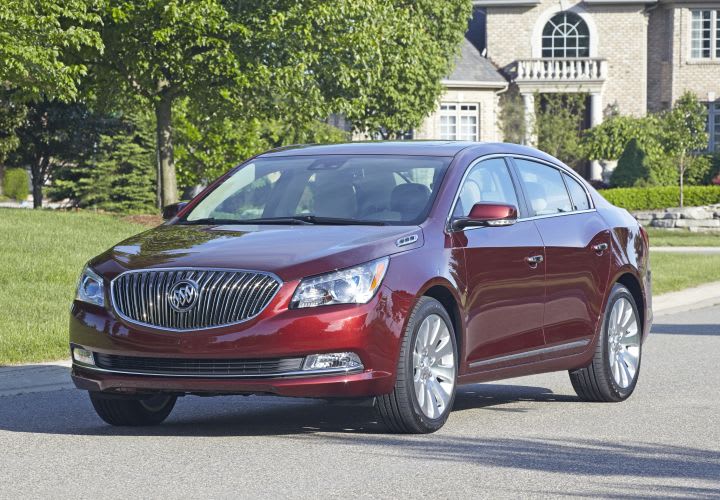
Photo of 2015 Buick LaCrosse courtesy of GM.
2 min to read
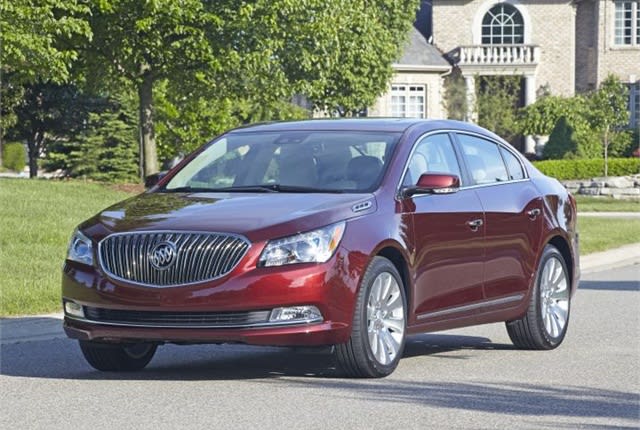
Photo of 2015 Buick LaCrosse courtesy of GM.
General Motors' Buick brand became the first domestic brand in three years to earn a place among the top 10 in Consumer Reports’ annual Car Brand Report Cards, the consumer protection researcher announced Feb. 24.
Buick ranked seventh on the list out of 28 auto brands, and Consumer Reports recommends 83 percent of the brand's vehicles, according to a release.
The report card is a combination of road-test and reliability scores for each model that the organization has tested and also factors in its annual auto reliability survey. To receive a Brand Report Card, Consumer Reports requires each brand to put at least two of its vehicles through the tests mentioned above.
"For years domestic automakers built lower-priced and lower-quality alternatives to imports, but those days are behind us," said Jake Fisher, Consumer Reports' director of automotive testing. "Today many domestic models can go toe-to-toe with the best imports."
Lexus took top honors in with an overall score of 78. Mazda trailed behind in second place, while Toyota, Audi and Subaru were next on the list.
Other domestic brands received lower marks. FCA US brands such as Chrysler, Dodge, Jeep and Fiat scored near the bottom of the rankings. Ford showed incremental improvement and its infotainment systems have shown to have fewer reliability problems, but only 19 percent of its models are CR Recommended.
Brands offering redesigned models are less likely to score well on the reliability survey, Consumer Reports has concluded. This proved to be true for Mercedes-Benz, Acura and Infiniti.
More Operations

Personal-Use Charges Rise as Vehicle Values Fall | AF News Recap
Personal-use charges are climbing, wholesale used-vehicle values are declining, and commercial fleet sales growth is slowing. This week, we're breaking down the latest fleet data, plus how Element Fleet Management is helping Waymo prepare for its first Canadian robotaxi market.
Read More →
Here's When You Should Make an Exception to Fleet Policy
Fleet policies are designed to create consistency, but not every driver or situation fits neatly within standard rules.
Read More →
AI-Native or AI-Acquired: What Should Fleet Managers Look for in an AI Platform?
Six questions can help fleet managers look beyond AI marketing claims to evaluate integration, data access, and real-world operational performance.
Read More →

Sponsored•October 14, 2026
A buyer's guide to fleet management software in 2027
Buying fleet management software in 2027 means looking beyond features and price. As fleet operations, technology and expectations evolve, this guide explores what today’s fleet professionals should consider when choosing a system that can deliver value now and adapt to what comes next.
Read More →
What Will Shape the Next Era of Fleet Management?
EVs, AI, and autonomous vehicles are reshaping fleet management. Discover what’s ahead—and how fleet leaders can prepare for the next era.
Read More →
How Fleets Can Recruit and Train Veterans for Technician Roles
Here's how the technician shortage has affected uptime for fleets, and what to do about it.
Read More →
Avis Budget Group Deploys Neology Toll Management Technology Across Major Brands
Neology’s neoFleet platform will manage toll transactions and toll-authority operations for vehicles across Avis, Budget, Payless, Budget Truck and Zipcar.
Read More →
Fleet Personal-Use Charges Edge Higher in 2026
Nearly eight in 10 surveyed fleets allow personal use of company vehicles, while just over half of respondents report charging employees for the privilege.
Read More →
The Future of Fleet + What’s Changing Right Now | AF News Recap
Could developments overseas offer a preview of what’s coming for U.S. fleets? This week, we’re looking at the future of AI, autonomy, and electrification, plus Ford Pro’s new certified pre-owned program, smarter vehicle offboarding, and a new way for fleets to manage toll expenses.
Read More →
How to Handle Vehicle Offboarding
What do fleet managers need to do when a driver leaves?
Read More →