




Ford Adds EcoBoost Engine to 2016 Explorer
For 2016, Ford has updated the Explorer mid-size SUV by giving it a more rugged look than the previous model and adding a new 2.3-liter EcoBoost engine to replace the former base 2.0-liter engine.

Photo of 2016 Explorer by Paul Clinton.

Photo of 2016 Explorer by Paul Clinton.
For 2016, Ford has updated the Explorer mid-size SUV by giving it a more rugged look than the previous model and adding a new 2.3-liter EcoBoost engine to replace the former base 2.0-liter engine. The 2016 model year marks the 25th anniversary of the Explorer, which debuted in 1991.
The 2.3-EcoBoost engine delivers at least 270 horsepower and 300 lb-ft of torque, which Ford says officers 12.5 percent more horsepower and 11 percent more torque than the outgoing engine.
“The new Explorer isn’t giving up its reputation as a leader in highway fuel efficiency,” said Arie Groeneveld, chief engineer on the Explorer. “Customers will not only get the performance of a larger engine, they won’t sacrifice efficiency because of it.”
Ford also updated the look of the Explorer for 2016, giving the SUV a more truck-like look compared with the current model’s rounded, bulbous sculpting. It has also made changes based on customer feedback, improving details in the interior such as physical controls for the infotainment system to replace touch-sensitive buttons.
For 2016, Ford wanted to improve the SUV by using smarter technology. The SUV has front and rear cameras for safety, parking assist, USB ports throughout and active grille shutters that close at highway speeds to reduce drag.
“Customers love Explorer and expect SUV to lead the way in innovation performance and fun,” said Groeneveld. “It’s a tall order but we’re aiming to build the best SUV in the world.”
More Operations
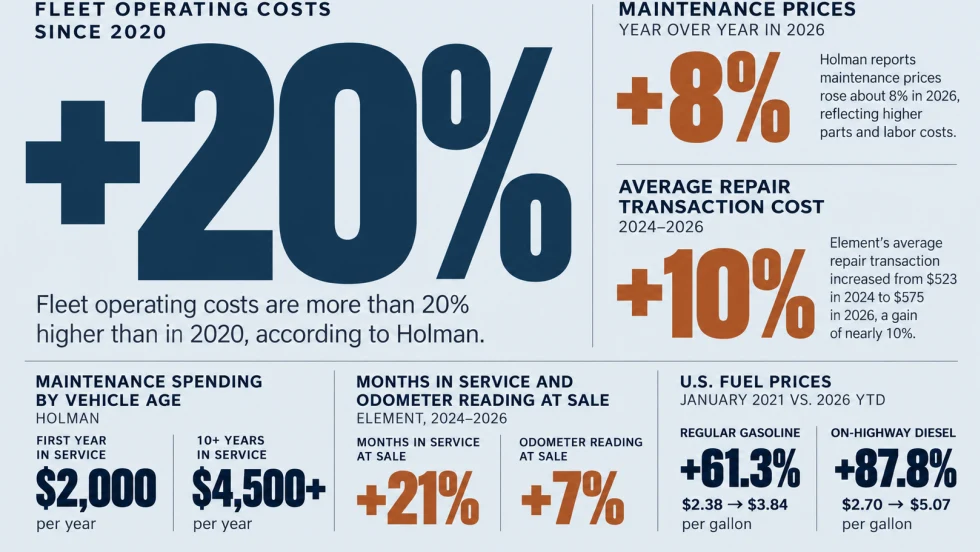
Managing Fleet Costs in an Era of Permanent Volatility
Fleet operating costs have risen more than 20% since 2020, raising a key question: When does extending a vehicle's service life stop making financial sense?
Read More →
The Next Evolution of Fleet Management: Autonomous Operations
This opening keynote session at the Fleet Forward Conference highlights the future of autonomous driving for fleets.
Read More →
How to Reduce the Total Cost of Risk From Catalytic Converter Theft
A stolen catalytic converter can cost fleets far more in downtime and lost productivity than in repairs. A total-cost-of-risk approach can help fleet managers quantify their exposure and prioritize theft prevention.
Read More →

Personal-Use Charges Rise as Vehicle Values Fall | AF News Recap
Personal-use charges are climbing, wholesale used-vehicle values are declining, and commercial fleet sales growth is slowing. This week, we're breaking down the latest fleet data, plus how Element Fleet Management is helping Waymo prepare for its first Canadian robotaxi market.
Read More →
Here's When You Should Make an Exception to Fleet Policy
Fleet policies are designed to create consistency, but not every driver or situation fits neatly within standard rules.
Read More →
AI-Native or AI-Acquired: What Should Fleet Managers Look for in an AI Platform?
Six questions can help fleet managers look beyond AI marketing claims to evaluate integration, data access, and real-world operational performance.
Read More →
A buyer's guide to fleet management software in 2027
Buying fleet management software in 2027 means looking beyond features and price. As fleet operations, technology and expectations evolve, this guide explores what today’s fleet professionals should consider when choosing a system that can deliver value now and adapt to what comes next.
Read More →
What Will Shape the Next Era of Fleet Management?
EVs, AI, and autonomous vehicles are reshaping fleet management. Discover what’s ahead—and how fleet leaders can prepare for the next era.
Read More →
How Fleets Can Recruit and Train Veterans for Technician Roles
Here's how the technician shortage has affected uptime for fleets, and what to do about it.
Read More →
Avis Budget Group Deploys Neology Toll Management Technology Across Major Brands
Neology’s neoFleet platform will manage toll transactions and toll-authority operations for vehicles across Avis, Budget, Payless, Budget Truck and Zipcar.
Read More →