




Report: Diesels Log Lower TCO Than Gasoline Counterparts
Nearly half of the diesel vehicles analyzed in Vincentric's 2013 Diesel Cost-of-Ownership Analysis have a lower total cost-of-ownership than their gasoline powered counterparts, the firm reported Wednesday.
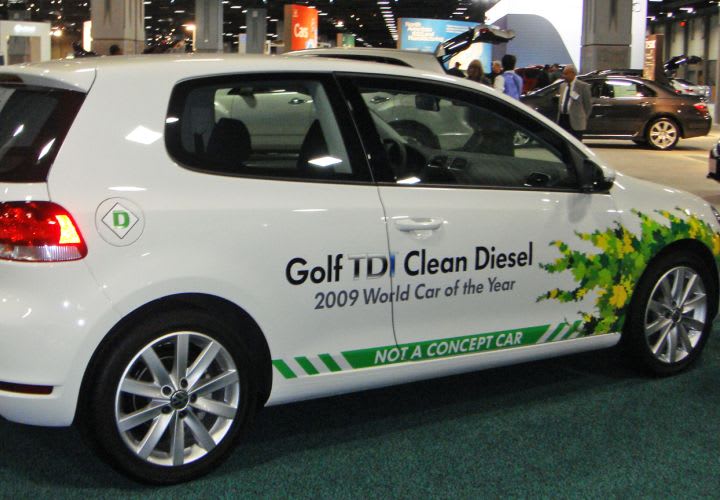
Photo via Wikimedia.
Photo via Wikimedia.
Nearly half of the diesel vehicles analyzed in Vincentric's 2013 Diesel Cost-of-Ownership Analysis have a lower total cost-of-ownership than their gasoline powered counterparts, the firm reported Wednesday.
Of the 26 diesel vehicles studied, 12 bested gasoline-fueled counterparts. The finding represented an 11.4% increase in cost-effective diesels from the firm's 2012 study, in which only eight of 23 vehicles showed a cost advantage.
The 12 diesel vehicles with lower ownership costs included all four Mercedes-Benz diesel models measured, along with the Audi A3 sedan, BMW X5 crossover, Ford F-350 truck, GMC Sierra 3500 truck, and four of five Volkswagen diesel models. The average price premium for a diesel was $5,392, with average fuel cost savings of $2,117.
When all costs to own and operate a diesel were taken into account, the average cost-of-ownership for diesels was $1,017 more than their all-gasoline powered counterparts, up $266 from the previous year, with results assuming an annual mileage of 15,000 over five years.
Vincentric measures eight cost elements for over 3,000 vehicles configurations per model year, including depreciation, financing, fees and taxes, fuel, insurance, maintenance, opportunity cost and repairs. Each month Vincentric re-compiles its database to take into account current vehicle prices, resale values, fuel costs, finance rates and other economic and market factors to ensure that users have access to up-to-date and accurate ownership costs.
Vincentric is an automotive research firm specializing in lifecycle cost measurement. Get more information about the report here.
More Operations
Company Vehicle or Reimbursement? How Fleets Are Rethinking Assignments
As fleet costs and insurance pressures rise, fleet managers are taking a closer look at which employees need company-provided vehicles and when a reimbursement program may make more sense.

Fleetio, ASE Launch Scholarship Program for Automotive Technicians
The second annual program will award 15 scholarships totaling $35,000 to support ASE certification, testing fees, and equipment costs.

Reading the Global Signals: What AI and the Energy Transition Mean for Fleets Now
In this opening keynote of the 2026 Fleet Forward Conference, John Rossant, founder of CoMotion, How can fleet managers navigate a never-ending, changing industry landscape?

90% Use Telematics. Are Fleets Getting Safer? | AF News Recap
This week, we're breaking down which industries have the highest rates, how Jamie McKay manages 2,400 vehicles, what's happening with the 2027 fleet awards, and why software-defined vehicles could introduce new costs.

What's Best Handled by an FMC, and What's Better Done Directly?
Fleet managers continue to rely on FMCs for essential services but are taking a closer look at where working directly with suppliers can improve efficiency and responsiveness.

Fleet Meets: Erin Gilchrist
Meet Erin Gilchrist, the inaugural Mike Antich Spirit of Fleet Award winner, as she shares insights on leadership, mentorship, the power of industry connections, and why people remain at the heart of fleet's future.

How 2026 Fleet Visionary Jamie McKay Manages 2,400 Vehicles Across 37 States
How do you keep 2,400 vehicles running across 37 states? Fleet Visionary Award winner Jamie McKay shares how collaboration, flexibility, and a few simple strategies help her tackle fleet management challenges at Aptive Pest Control.

Managing Fleet Costs in an Era of Permanent Volatility
Fleet operating costs have risen more than 20% since 2020, raising a key question: When does extending a vehicle's service life stop making financial sense?

The Next Evolution of Fleet Management: Autonomous Operations
This opening keynote session at the Fleet Forward Conference highlights the future of autonomous driving for fleets.

How to Reduce the Total Cost of Risk From Catalytic Converter Theft
A stolen catalytic converter can cost fleets far more in downtime and lost productivity than in repairs. A total-cost-of-risk approach can help fleet managers quantify their exposure and prioritize theft prevention.