




Cadillac Launches All-New 2014 CTS Sedan in New York
The automaker said key features in the all-new 2014 Cadillac CTS include a longer, lower design, the use of lightweight technologies, a new twin-turbo V-6, and the brand’s first eight-speed transmission.
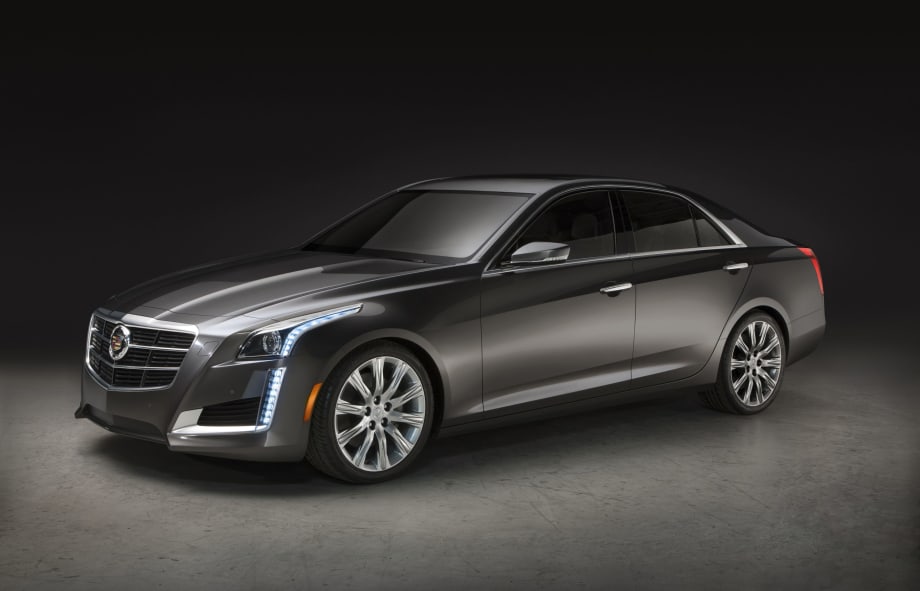
GM's Cadillac all-new 2014 CTS offers three engine choices, including the brand's new Twin-Turbo V-6. Photo courtesy GM.
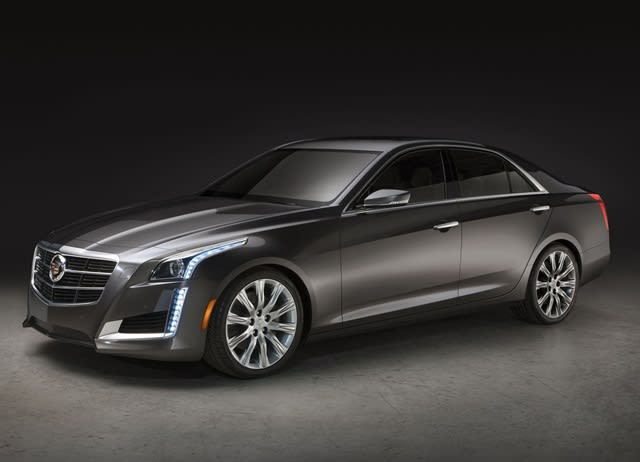
GM's Cadillac all-new 2014 CTS offers three engine choices, including the brand's new Twin-Turbo V-6. Photo courtesy GM.
GM’s Cadillac brand has introduced the all-new 2014 edition of its CTS Sedan. The automaker said key features in the new vehicle include a longer, lower design, the use of lightweight technologies, a new twin-turbo V-6, and the brand’s first eight-speed transmission.
Performance
Cadillac offers two engines for the all-new CTS, the brand’s all-new Twin-Turbo V-6, available in the VSport model, a naturally aspirated 3.6L V-6, and a 2.0L turbocharged engine. The Twin-Turbo V-6 is SAE-rated at 420 hp and 430 lb.-ft. of torque. It features a pair of smaller turbochargers that provide more power on demand, with approximately 90 percent of peak torque available from 2,500rpm to 5,500 rpm, helping the CTS Sedan reach 60 mph in an estimated 4.6 seconds.
The 3.6L V-6 is rated at an estimated 321 hp and is paired with the automaker’s new paddle-shift eight-speed automatic in rear-wheel-drive models (it’s paired with a six-speed automatic in all-wheel drive models). The 2.0L turbocharged engine is rated at an estimated 272 hp and is paired with a six-speed automatic transmission.
For fuel economy, the 3.6L V-6 Twin-Turbo is estimaetd at 17 city, 25 highway mpg. For the 3.6L V-6, fuel economy is 19 city, 28 highway for the rear-wheel-drive model and 18 city, 27 highway for the all-wheel-drive model. For the 2.0L Turbo, fuel economy is 19 city, 30 highway for the rear-wheel-drive model and 18 city, 28 highway for the all-wheel-drive version.
The new eight-speed transmission improves vehicle fuel economy by 1.5% over a six-speed transmission, according to Cadillac.
To enhance the driving experience, Cadillac said its development of suspension technologies for the ATS helped engineers tune the suspension to provide better feedback, control, and response. Cadillac added that the vehicle’s lighter curb weight than the outgoing model allow for the use of lighter weight chassis components, which reduces the vehicle’s unsprung weight and provides more precise handling. The automaker used a number of aluminum components in the suspension system and mostly steel in the rear suspension, helping to offset the weight of the engine and transmission up front. Cadillac also offers its Magnetic Ride Control real-time damping system as an option on all models, which is a first for the CTS, according to the company.
Exterior
Cadillac redesigned the CTS’ exterior for the 2014 model-year, stretching its wheelbase by 1.2 inches and making it longer by 5 inches, but lightening the vehicle’s curb weight, for example through the use of aluminum door structures. The CTS has LED lighting up front and its headlamps incorporate LED light guides. The CTS’ grille is winder and more detailed. Active grille shutters are available on some models and help improve aerodynamics. For wheels, buyers have a choice of 17-, 18- and 19-inch aluminum wheels.
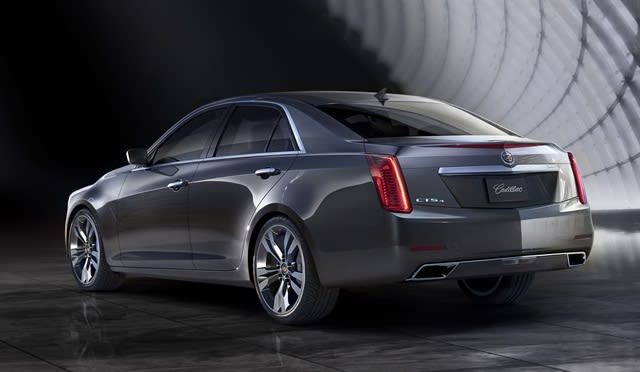
The automaker said it redesigned the exterior to be longer but have a lower roofline. Photo courtesy GM.
Interior
Inside the all-new CTS, Cadillac offers eight different interior designs and the choice of wood, carbon fiber, or aluminum trim. The front seats are 20-way adjustable and leather is a material option.
Inside, a roomier, driver-centric cockpit interior with integrated technology and hand-crafted appointments complements the exterior elements and supports the CTS sedan’s driving experience. Eight available interior environments are offered, each trimmed with authentic wood, carbon fiber or aluminum. Leather seating is available, including available full semi-aniline leather, with hand-crafted, cut-and-sewn executions.
Other interior features include an electronically locking glove box, an electronic parking brake, heated and ventilated front seats, a heated steering wheel, a motorized cup holder lid in the center console, and an adaptive remote start feature that can start up the climate control system.
Technology
The CTS features Cadillac’s CUE infotainment system, which features an 8-inch touchscreen that provides haptic feedback. Bluetooth connectivity and natural voice recognition are standard features in the CUE system. The system also provides USB and SD card ports.
Cadillac also offers a 12.3-inch high-resolution configurable LCD instrument cluster that complements the CUE display and shows active safety features. It gives drivers the choice of four different display layouts. A full-color configurable heads-up display is also an available feature.
For the audio system, a Bose eleven-speaker sound system is standard, and a Bose Centerpoint Surround Sound system with 13 speakers is available.
Safety
The CTS features a number of new, advanced safety systems from GM. It is the first Cadillac to feature Automatic Parking Assist, which uses ultrasonic sensors to parallel park. Another is Front and Rear Automatic Braking, which uses short-range radar technology and ultrasonic sensors to detect potential low-speed collisions in front of and behind the vehicle. The system alerts the driver if a collision is imminent with different warnings and can stop the vehicle if necessary.
The Driver Awareness Package works with Cadillac’s Safety Alert Seat technology by using vibrations in the driver’s seat, in the direction of the safety risk, to alert the driver of an imminent collision or if there is a vehicle in the CTS’ blind spot.
For standard features, the all-new 2014 CTS comes with 10 air bags, Brembo brakes, and OnStar (for one year). OnStar provides myCadillac and OnStar myCadillac movile device apps, which provide vehicle information, controls, and OnStar services. The apps are available for iPhone and Android devices.
Other available systems include Full Speed Range Adaptive Cruise Control, Panic Brake Assist, Forward Collision Alert, Automatic Collision Preparation, a Lane Departure Warning system, Side Blind Zone Alert, Rear Cross Traffic Alert, Rear Vision Camera With Dynamic Guidelines, Adaptive Forward Lighting, and an active pedestrian protection system in regions where required.
More Operations

Fleet Has a Talent Pipeline Problem. What Comes Next? | AF News Recap
Where will fleet’s next generation of leaders come from? This week, we’re looking at the industry’s talent pipeline, what certification can add to a fleet career, how to build an award-worthy track record, and the return of Automotive Fleet’s Personal Use Survey.
Read More →
Smith System Launches Driver Risk Management Program
Fleets have more driver data than ever, but identifying risky behavior doesn't necessarily correct it. Smith System's new Driver Risk Management program combines monitoring, training, and follow-up coaching to help fleets connect risk signals with driver intervention.
Read More →
Automotive Fleet Opens 2026 Personal Use Survey for Commercial Fleet Managers
Less than two weeks left! Commercial and corporate fleet managers are invited to share how their organizations handle company vehicle personal-use policies, charges, and driver eligibility.
Read More →
From AI Prompts to AI-Generated Safety Songs | AF News Recap
Can better prompts make AI more useful for fleet managers? This week, we’re breaking down smarter fleet analysis, an AI-assisted experiment that turned safety training into music, and what happened to fuel prices in August.
Read More →
How to Write Better AI Prompts for Fleet Analysis
Include these six elements in your fleet prompts to generate more relevant analysis and accurate answers.
Read More →
Fleet Meets: Eric Kilgore
This edition of the Fleet Meets series features one of the industry's best leaders driving multi-market and national operations.
Read More →
Why Reactive Fleet Management Is Becoming Too Expensive to Sustain
Research highlights a growing need for proactive management strategies to address rising costs in fleet operations effectively.
Read More →
What Your Fleet KPIs Aren’t Telling You
Tracking fleet metrics is only useful when the data leads to better decisions. This guide helps fleet leaders assess cost, utilization, and downtime more accurately, identify performance gaps, and prioritize the actions that can improve operational results.
Read More →
Hidden in Plain Sight: Fleet Compliance Risks
Fleet compliance isn't just about having policies — it's about consistently enforcing them. This practical guide reveals six hidden compliance risks common in public sector and shared fleet operations and outlines proven strategies to improve visibility, accountability, and audit readiness
Read More →
Turning Fleet Payment Data into Executive Insights
Does data alone drive results in operations?
Read More →