




Volvo Tests MPG-Boosting Flywheel Technology
ROCKLIN, NJ – This fall, Volvo Car Corp. said it plans to test flywheel technology on public roads.
ROCKLIN, NJ – This fall, Volvo Car Corp. said it plans to test flywheel technology on public roads. The company received a grant from the Swedish Energy Agency to develop next-generation technology for recovering braking energy kinetically.
"Our aim is to develop a complete system for kinetic energy recovery,” said Derek Crabb, Vice President VCC Powertrain Engineering. “Tests in a Volvo car will get under way in the second half of 2011. This technology has the potential for reducing fuel consumption by up to 20 percent. What is more, it gives the driver an extra horsepower boost, giving a four-cylinder engine acceleration like a six-cylinder unit."
The new system, which Volvo is calling the Flywheel KERS (Kinetic Energy Recovery System), is fitted to the rear axle. During stopping, the braking energy makes the flywheel to spin at up to 60,000 revs per minute. When the car starts moving again, the flywheel's rotation is transferred to the rear wheels via a specially designed transmission.
The combustion engine that drives the front wheels switches off as soon as braking begins. The energy in the flywheel can then be used to accelerate the vehicle when it is time to move again, or to power the vehicle once it reaches cruising speed. If the energy in the flywheel is combined with the combustion engine's full capacity, it will give the car an extra boost of 80 horsepower.
The flywheel that Volvo will use in its test car is made of carbon fiber. It weighs around 13 lbs. (6 kg) and has a diameter of 7.8 inches. The carbon fiber wheel spins in a vacuum to minimize frictional losses, according to the company.
"We are not the first manufacturer to test flywheel technology. But nobody else has applied it to the rear axle of a car fitted with a combustion engine driving the front wheels. If the tests and technical development go as planned, we expect cars with flywheel technology to reach the showrooms within a few years," said Crabb. "The flywheel technology is relatively cheap. It can be used in a much larger volume of our cars than top-of-the-line technology, such as the plug-in hybrid. This means that it has potential to play a major role in our CO2-cutting DRIVe Towards Zero strategy."
More Operations

Why Reactive Fleet Management Is Becoming Too Expensive to Sustain
Research highlights a growing need for proactive management strategies to address rising costs in fleet operations effectively.
Read More →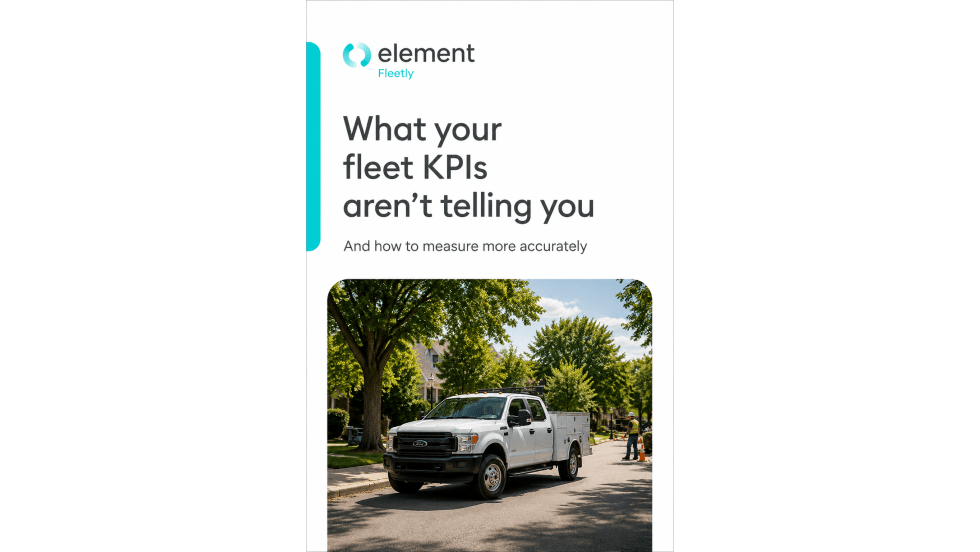
What Your Fleet KPIs Aren’t Telling You
Tracking fleet metrics is only useful when the data leads to better decisions. This guide helps fleet leaders assess cost, utilization, and downtime more accurately, identify performance gaps, and prioritize the actions that can improve operational results.
Read More →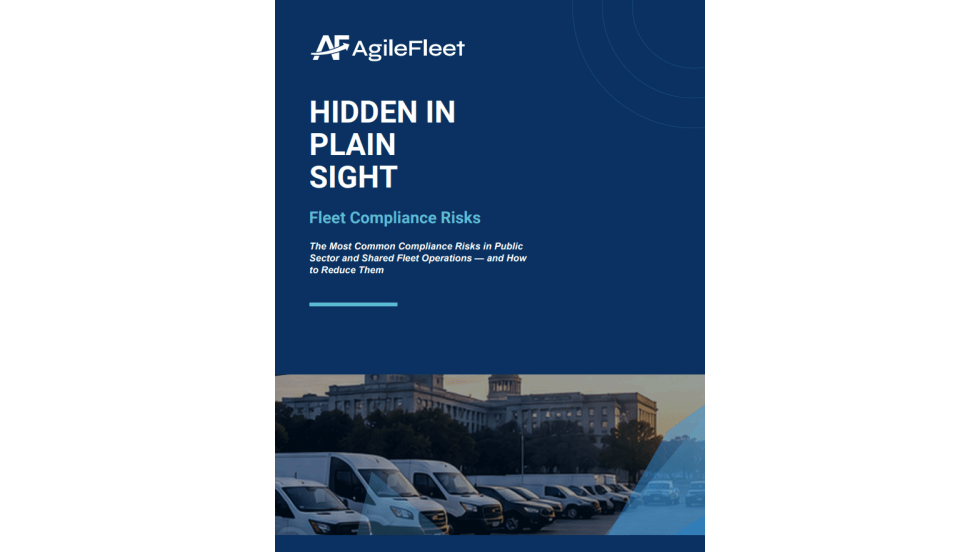
Hidden in Plain Sight: Fleet Compliance Risks
Fleet compliance isn't just about having policies — it's about consistently enforcing them. This practical guide reveals six hidden compliance risks common in public sector and shared fleet operations and outlines proven strategies to improve visibility, accountability, and audit readiness
Read More →


Turning Fleet Payment Data into Executive Insights
Does data alone drive results in operations?
Read More →
Automotive Fleet Opens 2026 Personal Use Survey for Commercial Fleet Managers
Commercial and corporate fleet managers are invited to share how their organizations handle company vehicle personal-use policies, charges, and driver eligibility.
Read More →
Gary Van Orden Retires After Nearly Four Decades in Commercial Fleet
From answering customer calls at Ford Motor Company to leading fleet sales across multiple OEMs and a fleet management company, Gary Van Orden's career reflects nearly four decades of leadership in commercial fleet.
Read More →
How Stellantis Plans to Get Ahead of Fleet Downtime
Vehicle acquisition may grab the headlines, but fleet uptime increasingly determines operating success. Darren Bradshaw of Mopar North America gives the details.
Read More →
Hyundai Releases 2027 Commercial Program Incentives
The 2027 Model Year "Fleet Street Incentives" are available to commercial and government fleets.
Read More →
It's All Downhill from Here! Fleet Industry Raises $22,000 for Skilled Trades Scholarships
Work Truck’s Lauren Fletcher and Automotive Fleet’s Chris Brown turned a friendly racing rivalry into $22,000 for automotive technology and skilled trades scholarships.
Read More →
The Top 300 Commercial Fleets
The Top 300 Commercial Fleets: See the List
Read More →