





Related Photos: FCA's 2019 Ram 1500 Tradesman
A Closer Look at the 2019 Ram 1500
The 2019 Ram 1500's improvements over the previous generation include a lighter body, a more durable design, improved fuel economy, and new safety features.
March 30, 2018
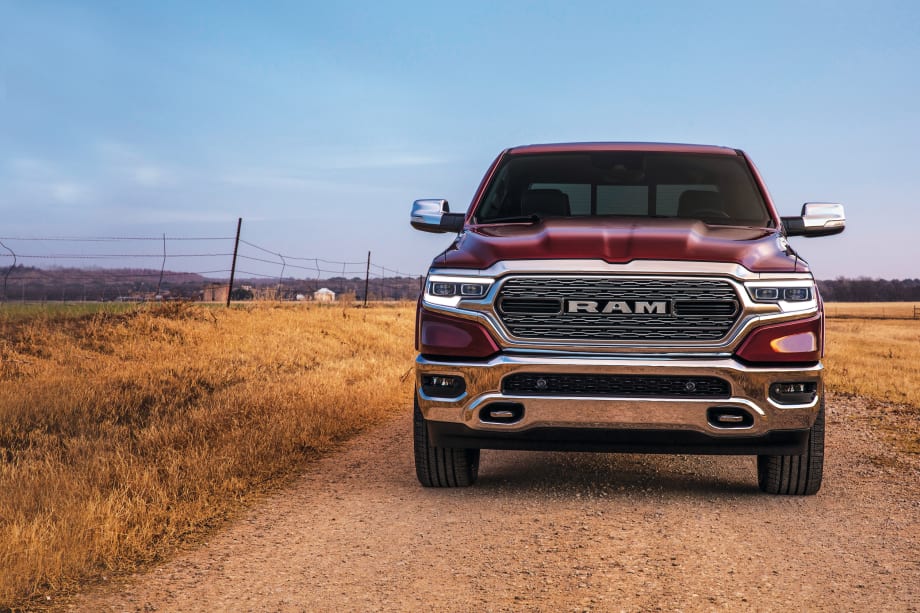
Photo of the 2019 Ram 1500 courtesy of FCA.
3 min to read
Photo of the 2019 Ram 1500 courtesy of FCA.
After nearly a decade, the fifth-generation 2019 Ram 1500 has arrived with a bevy of improvements over its predecessor, including a lighter body, a more durable design, improved fuel economy, and new safety features.
“Consumers told us they wanted a Ram with more fuel economy, capability and safety features,” said Mark Spencer, head of market requirements, Fiat Chrysler Automobiles Fleet. “Our engineering team knew the challenges and nailed it. This is a beautiful truck that delivers. Just on fuel economy alone, we expect the new Ram to achieve a combined rating two miles per gallon better than its predecessor.”
At the time of publication, the 2019 Ram was slated to begin shipping from the Sterling Heights, Michigan assembly plant by the end of March.
Spencer explained some of the steps taken to bolster the truck’s performance.
To improve reliability and capability, engineers looked at the material used to build the new pickup truck. The goal with this fifth generation was to incorporate as much high-strength steel as possible without sacrificing fuel economy and still ensuring durability.
Roughly 98% of the 2019 Ram 1500’s frame is composed of high-strength steel. The truck’s cab and box now features twice the amount of high-strength steel than in last year’s model.
Yet even with more steel, the vehicle is nearly 225 pounds lighter than last year’s model.
A Fuel Economy Boost
When it came to fuel economy, engineers added a form of mild hybrid to the all-new Ram pickup. The company is calling this mild hybrid system “e-torque,” and it combines the vehicle’s belt-drive motor generator unit with a 48-volt battery pack to enable a stop / start function, short-duration torque assist, and brake energy regeneration.
This results in improved fuel economy, but also an improvement to torque. FCA expects the system to provide a 93 lb.-ft. improvement in torque to the truck’s second-generation 3.6L Pentastar V-6 engine and a 130 lb.-ft. boost to its 5.7L HEMI V-8 engine.
The truck also features an eight-speed automatic transmission, which bolsters fuel economy.
From a safety perspective, the new Ram has been equipped with forward collision warning, blind spot detection, and adaptive cruise control.
It also features 14.9 inch brakes, the largest in its class, according to FCA. The truck’s maximum payload has been increased by 22.2% to 2,300 pounds. Towing capacity has also been improved 20% to 12,750 pounds.
In terms of comfort, the 2019 Ram 1500 has the industry’s first rear reclining seat, Spencer noted. The crew cab configuration is also four inches larger than the previous year’s model. This improvement to space is part of FCA’s goal to not only make their trucks safer and more capable, but also more comfortable.
2019 Ram 1500 Offered Alongside Older Model
In the fleet market, certain operators prioritize certain aspects of a vehicle during the acquisition process. Some operators, such as rental fleets, will hold on to their vehicles for a relatively short amount of time, so they prioritize the vehicle’s residuals. Other operators, such as fleets in the energy sector, will hold on to their vehicles for a long time, so the priority is acquisition.
FCA intends to sell the older Ram 1500 alongside the newer version. This strategy, Spencer noted, will cater to both those fleet operators driven by acquisition costs and others who focus on residual values.
“The new Ram is perfect for those who want to showcase the latest features, but only plan to hold onto them for a limited time,” Spencer said. “For fleet operators who are more concerned about acquisition costs and drive the Ram to the wheels fall off, the older generation may be the best bet. Either way, we got them covered.”
Subscribe to Our Newsletter
More Operations

How Fleets Can Recruit and Train Veterans for Technician Roles
Here's how the technician shortage has affected uptime for fleets, and what to do about it.
Read More →
Avis Budget Group Deploys Neology Toll Management Technology Across Major Brands
Neology’s neoFleet platform will manage toll transactions and toll-authority operations for vehicles across Avis, Budget, Payless, Budget Truck and Zipcar.
Read More →
Fleet Personal-Use Charges Edge Higher in 2026
Nearly eight in 10 surveyed fleets allow personal use of company vehicles, while just over half of respondents report charging employees for the privilege.
Read More →
The Future of Fleet + What’s Changing Right Now | AF News Recap
Could developments overseas offer a preview of what’s coming for U.S. fleets? This week, we’re looking at the future of AI, autonomy, and electrification, plus Ford Pro’s new certified pre-owned program, smarter vehicle offboarding, and a new way for fleets to manage toll expenses.
Read More →
How to Handle Vehicle Offboarding
What do fleet managers need to do when a driver leaves?
Read More →
Sponsored•October 1, 2026
Fleet Manager’s Ultimate Playbook: Navigating the New Standard in OEM Connectivity
Rising operating costs, driver safety concerns, and unplanned downtime are putting unprecedented pressure on modern fleets. Discover how fleet managers use embedded OEM connectivity and real-time vehicle data to cut TCO, prevent downtime, and protect drivers without aftermarket telematics hardware.
Read More →
U.S. Bank Adds Verra Mobility Toll Management to Voyager Fleet Platform
The integration allows U.S. Bank Voyager fleet customers to manage toll payments and violations alongside fuel, EV charging and maintenance expenses.
Read More →
ADAS Prevents Crashes. But Repairs Cost More | AF News Recap
ADAS-equipped vehicles may crash less often, but they can cost more when they do. This week, we’re breaking down what that tradeoff means for fleets, plus Subaru’s first Forester Wilderness Hybrid, Nissan’s new e-POWER Rogue, and why Calstart has become Catalyst Mobility.
Read More →
Moventum Fleet Management Names Mark Iorillo Head of Sales
Iorillo brings nearly 20 years of fleet management and sales experience to the role, including previous positions at Element Fleet Management, CEI, Donlen and Ryder.
Read More →
Fleet Has a Talent Pipeline Problem. What Comes Next? | AF News Recap
Where will fleet’s next generation of leaders come from? This week, we’re looking at the industry’s talent pipeline, what certification can add to a fleet career, how to build an award-worthy track record, and the return of Automotive Fleet’s Personal Use Survey.
Read More →