




1 in 3 Drivers Type Texts or Email
Nearly 35% of drivers say they have typed a text message or email while driving, even though 95.6% agreed that the behavior is unacceptable, according to new findings from AAA.
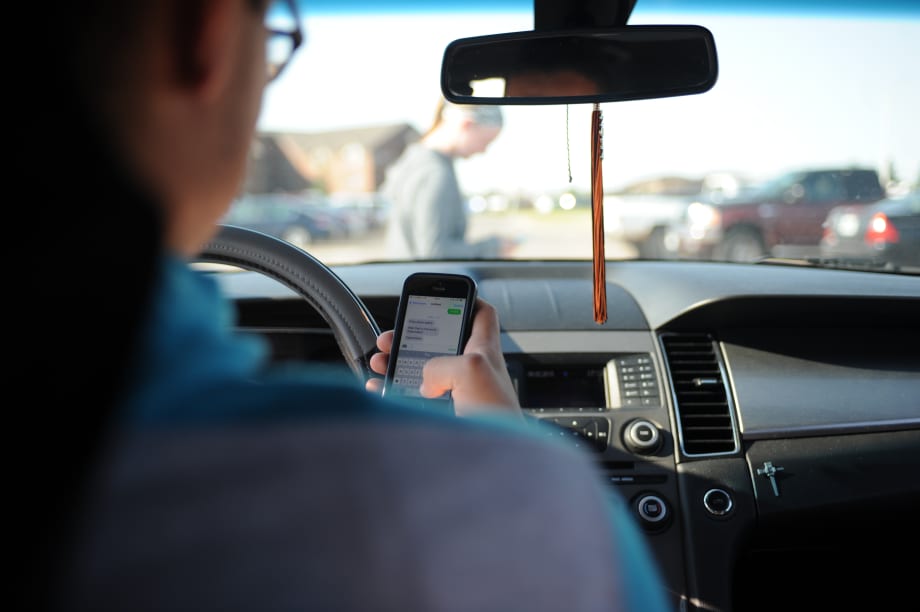
Photo via Ellsworth Air Force Base.
Photo via Ellsworth Air Force Base.
Nearly 35% of drivers say they have typed a text message or email while driving, even though 95.6% agreed that the behavior is unacceptable, according to new findings from AAA.
In addition, most drivers (nearly 88%) said that distracted drivers are a bigger problem today than in pervious years, and distracted driving ranked as the top issue of growing concern among those surveyed.
The findings came from the AAA Foundation's 2017 Traffic Safety Culture Index that explores driver attitudes and behaviors to safety issues ranging from speeding and seat belt usage to distracted, drowsy and impaired driving. Data was collected from a sample of 2,613 licensed drivers aged 16 and up, who said they have driven in the past month.
Overall, the survey findings conclude that while drivers desire a safer driving experience, they continue to engage in behaviors they recognize as unsafe.
In fact, most drivers (89.3%) reported engaging in at least one of the risky behaviors examined in the survey at least once in the past 30 days. For example, while 92% said that driving through a red light when they could have stopped is unacceptable, 43% admitted to doing so.
Other key findings from the survey include:
In addition to distracted driving, respondents cited traffic congestion (74.5%), aggressive drivers (68.1%), drugged drivers (54.9%), and drunk driving (43.4%) as top issues of concern.
In the past month, some 60.5% of drivers talked on a hands-free cellphone while 49.1% talked on a hand-held cellphone.
Nearly 45% of drivers admitted to reading a text or email while behind the wheel.
While only 40.9% of those surveyed support a ban on all cellphone use while driving, the majority (87.6%) support legislation against all texting and emailing, and 73.4% support a ban on handheld cellphone use while driving.
Speeding is common, with half of drivers saying they drive 15 mph over the sped limit on freeways while 47.6% drive 10 mph over the limit on residential streets.
Over 95% of motorists view drowsy driving as an unacceptable behavior, yet over 30% admit to driving while seriously fatigued at some point in the previous month.
The majority of drivers (94.3%) consider driving after drinking alcohol a serious threat to their safety. Yet 20.7% admitted to driving when they thought they had consumed too much alcohol to drive safely.
There is very strong support (nearly 80%) for requiring all DWI offenders to use alcohol-ignition interlocks on their vehicles, even for first time offenders.
Read the full report here.
More Safety
From Silos to Solutions: Relationship Management for Safer Fleets
From telematics adoption and driver accountability to policy consistency and risk mitigation, this episode breaks down what it really takes to build a safer fleet culture without slowing business down.
Read More →
IIHS Launches First Commercial Vehicle Safety Evaluations
The Insurance Institute for Highway Safety has begun evaluating heavy-duty pickups and cargo vans for driver protection. Which models earned top marks?
Read More →
Reducing Risk by Eliminating Phone Use Behind the Wheel
Hosted with the cofounder of Lifesaver Mobile, this episode addresses phone use behind the wheel and how to design a driving environment that actually helps prevents accidents.
Read More →

Cameras, Safety and Insurance: From Reactive Claims to Real-Time Prevention (Part 2 of 2)
Part Two: Commercial auto remains one of the most challenging and costly lines of coverage for fleet operators and insurers alike. Continue learning more about how to effectively address these issues from Onur Aksan, Enterprise Business Development Executive, Geotab
Read More →
How 5-Second Telematics Data Is Changing Fleet Safety
This episode connects with Steve Santostasi of Ford Pro and covers how a few seconds of data can make a difference in fleet safety.
Read More →
Managing Road Risk at Scale: Why Fleet Safety Needs a Data-Driven Framework
Insights from the FIA Road and Driver Safety Indexes reveal how to manage road risk on a larger scale.
Read More →
Stellantis Recalls 1.3 Million Jeep Vehicles Worldwide Over Fire Risk
Stellantis is recalling more than 1.3 million Jeep Wrangler and Gladiator models worldwide over a fire risk linked to power steering pump wiring.
Read More →
Coaching Is Not Training, Even When AI Is Doing It
AI-powered safety platforms can detect risky behaviors and deliver immediate feedback. But effective driver development still requires a foundation of training followed by coaching that reinforces those skills.
Read More →
How Emotions Behind the Wheel Can Affect Fleet Safety
During National Safety Month, fleets are encouraged to look beyond distracted driving and recognize how stress, fatigue, and emotional well-being influence driver performance and crash risk.
Read More →
Nominations Open for 2026 Fleet Safety Award
Nominations have officially opened for the 2026 Fleet Safety Award Winner.
Read More →