




Groups Pressure Senate Leaders to Halt Autonomous Car Bill
A coalition of 27 public interest groups is asking congressional leaders to reconsider legislation that would stimulate the development and deployment of self-driving vehicles.
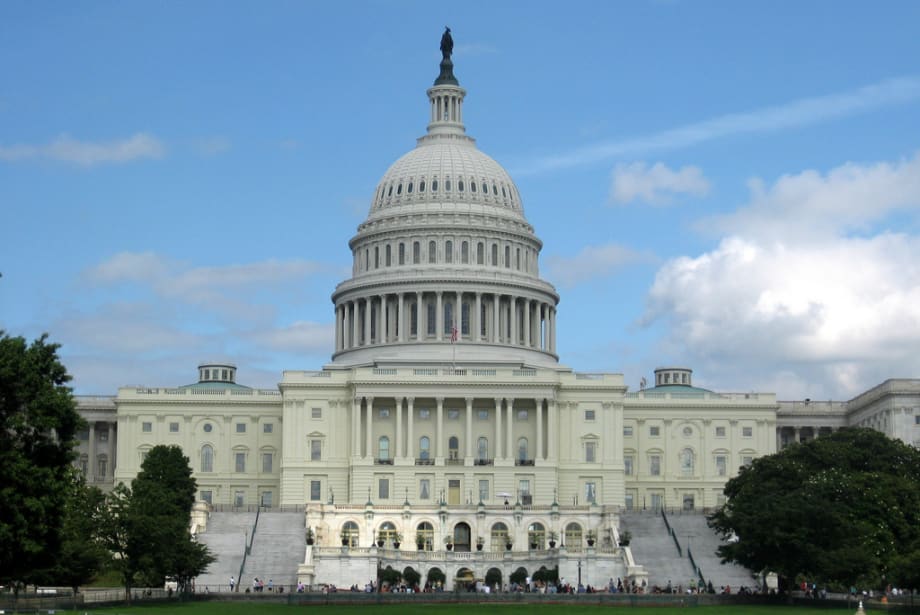
Photo of U.S. Capitol via WallyG/Flickr.
Photo of U.S. Capitol via WallyG/Flickr.
A coalition of 27 public interest groups is asking congressional leaders to reconsider legislation that would stimulate the development and deployment of self-driving vehicles.
In a letter to Senate leaders Mitch McConnell (R-Kentucky)and Chuck Schumer (D-New York), the coalition claims that today's autonomous vehicle technology still has safety flaws and is not advanced enough for widespread, safe testing on public roads, according to a report on CNET's Road Show website. One significant safety problem, noted the group, is the inability of many autonomous vehicle systems to identify cyclists correctly.
The 27 signatories represent public health and safety, bicyclists, pedestrians, consumers, disability communities, law enforcement, environmentalists, first responders, smart-growth advocates and crash victims'' families, reports Automotive News.
The legislation — the American Vision for Safer Transportation Through Advancement of Revolutionary Technologies (AV START Act) — aims to deregulate the autonomous vehicle sector, according to the group. They argue that the bill grants automakers broad exemptions and strips the federal regulatory system of appropriate oversight, putting the public's safety at risk.
The coalition has proposed several changes to the legislation per the reports that include:
Reducing the number of vehicles allowed exemptions from safety standards.
The current statutes allow companies to apply for a safety exemption for up to 2,500 cars per 12-month period to test new technology. The AV bill would remove this restriction, allowing virtually unlimited exemptions on cars that will be sold to the public.
Removing language that gives manufacturers total freedom to disable autonomous vehicle systems, including the steering wheel and brakes.
Manufacturers are currently prohibited from rendering safety systems inoperable without adequate justification and approval from the US DOT. Section 7 of AV START Act would give auto manufacturers sole discretion to ignore existing safety standards without giving US DOT any oversight.
Establishing minimum performance standards for the computers that operate autonomous vehicles, including a "vision test" for determining whether the system can identify other cars, pedestrians, traffic signs and other surroundings.
Ensuring adequate consumer education so that the public understands the limitations and capabilities of self-driving cars at the point of sale.
Increasing NHTSA's budget so it can adequately take on extra mission of regulating autonomous vehicles.
Including Level 2 autonomous vehicles in critical safety provisions.
Addressing the needs of people with disabilities, such as storage of wheelchairs.
Removing provisions that preempt states and localities from protecting their motorists.
More Safety
Nominations Open for 2026 Fleet Safety Award
Nominations have officially opened for the 2026 Fleet Safety Award Winner.
Read More →
Turning Connected Vehicle Data Into Decisions That Matter
Fleet leaders have more data than ever, but turning that data into clear, actionable decisions remains a challenge. This white paper shows how leading organizations are using connected vehicle data to improve safety, reduce costs, and optimize fleet performance. Learn how to turn insight into action across your fleet.
Read More →
Cameras, Safety and Insurance: From Reactive Claims to Real-time Prevention
Commercial auto remains one of the most challenging and costly lines of coverage for fleet operators and insurers alike. Learn more about how to effectively address these issues from Onur Aksan, Enterprise Business Development Executive, Geotab.
Read More →
NAFA Fleet Safety Symposium to Collocate With 2026 Fleet Forward Conference
The daylong certificate program will precede the Fleet Forward Conference at the Gaylord National Harbor in Maryland.
Read More →
The Distractions You Can’t Turn Off: What Drivers Face Outside the Vehicle
Fleet drivers face constant visual, cognitive, and environmental interruptions the moment they hit the road. From roadside chaos to mental fatigue and digital overload, today’s biggest driving risks often come from outside the vehicle itself.
Read More →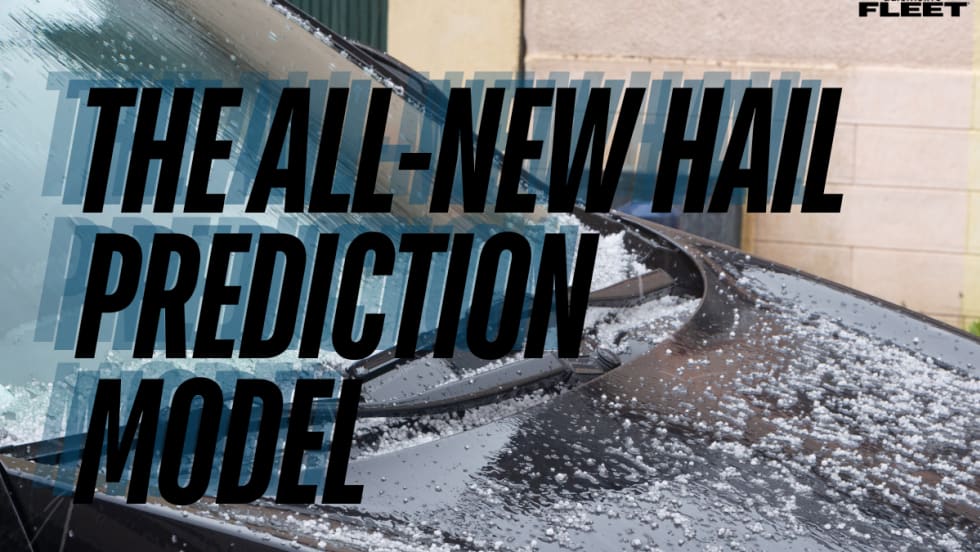
FLASH Weather AI Launches First Deep-Learning Hail Prediction Model With High-Resolution Forecasting
FLASH Weather AI has launched a first-of-its-kind hail prediction model capable of forecasting hail size and arrival time at 1-kilometer resolution up to 55 minutes ahead, giving fleets and insurers critical time to prepare for severe storms.
Read More →
How Coca-Cola United Protects Its Fleet from Growing Legal Risk
As litigation risk rises, vehicles are increasingly targeted. This Coca-Cola bottler shares how it’s reducing exposure through driver training, technology, and a proactive risk management approach.
Read More →
How to Speak the Same Language on Fleet Safety
Drivers, supervisors, and data often speak different safety “languages.” Getting on the same page will drive better results.
Read More →
Fleet Cybersecurity 101: What You Need from Your Technology Vendors
From identity management to third-party certifications, the right technology partner should make security easier to manage. Here are the three building blocks that fleet managers need to stay in control as connected systems scale.
Read More →
Reducing Risk by Eliminating Phone Use Behind the Wheel
Distracted driving remains one of the most persistent risks in fleet operations. New approaches focus on removing mobile device use entirely while adding real-time safety support.
Read More →