




Insurance.com Lists Most Ticketed Cars
Drivers operating a Lexus ES300 received the most moving violations in 2015, while operators of the Buick Encore and Lexus IS350 drew the fewest tickets, according to the annual survey from Insurance.com.
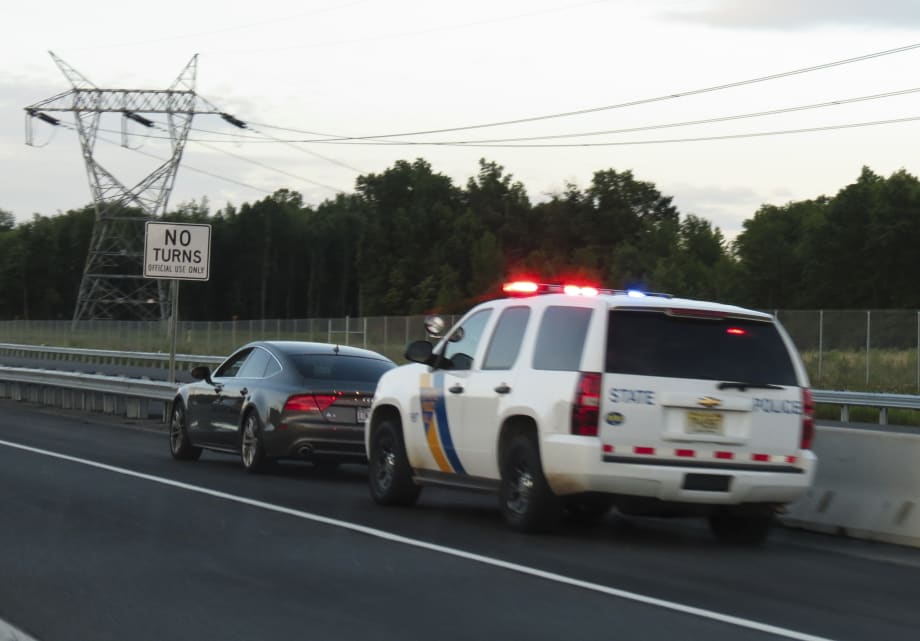
Photo courtesy of Wikipedia.
Photo courtesy of Wikipedia.
Drivers operating a Lexus ES300 received the most moving violations in 2015, while operators of the Buick Encore and Lexus IS350 drew the fewest tickets, according to the annual survey from Insurance.com.
The ES300 replaced the Subaru WRX, which topped the 2014 list as the highest "ticket magnet." The WRX fell to No. 12 on this year's list.
"It's the driver that gets tickets, not the car," said Penny Gusner, consumer analyst for Insurance.com. "But it is interesting to see what vehicle makes and models attract drivers who are prone to traffic violations."
Other cars in the top 10 on the list include the Nissan 350Z, Dodge Charger SE/SXT, Volkswagen Jetta GL, Chevrolet Monte Carlo LS/LT, Mazda 3S, Volkswagen GTI, Dodge Stratus SXT, Acura 3.0s, and Toyota Tacoma.
Vehicles on the list of least-ticketed models included the Acura ILX, Cadillac ATS, Chevrolet Express, Cadillac Escalade, GMC Savana, Audi A3 2-Series, BMW 320i, and Land Rover Range Rover.
Insurance.com reviewed insurance claim and traffic violation data from 331 models and more than 323,000 recent customers.
More Operations
A buyer's guide to fleet management software in 2027
Buying fleet management software in 2027 means looking beyond features and price. As fleet operations, technology and expectations evolve, this guide explores what today’s fleet professionals should consider when choosing a system that can deliver value now and adapt to what comes next.
Read More →
What Will Shape the Next Era of Fleet Management?
EVs, AI, and autonomous vehicles are reshaping fleet management. Discover what’s ahead—and how fleet leaders can prepare for the next era.
Read More →
How Fleets Can Recruit and Train Veterans for Technician Roles
Here's how the technician shortage has affected uptime for fleets, and what to do about it.
Read More →

Avis Budget Group Deploys Neology Toll Management Technology Across Major Brands
Neology’s neoFleet platform will manage toll transactions and toll-authority operations for vehicles across Avis, Budget, Payless, Budget Truck and Zipcar.
Read More →
Fleet Personal-Use Charges Edge Higher in 2026
Nearly eight in 10 surveyed fleets allow personal use of company vehicles, while just over half of respondents report charging employees for the privilege.
Read More →
The Future of Fleet + What’s Changing Right Now | AF News Recap
Could developments overseas offer a preview of what’s coming for U.S. fleets? This week, we’re looking at the future of AI, autonomy, and electrification, plus Ford Pro’s new certified pre-owned program, smarter vehicle offboarding, and a new way for fleets to manage toll expenses.
Read More →
How to Handle Vehicle Offboarding
What do fleet managers need to do when a driver leaves?
Read More →
Fleet Manager’s Ultimate Playbook: Navigating the New Standard in OEM Connectivity
Rising operating costs, driver safety concerns, and unplanned downtime are putting unprecedented pressure on modern fleets. Discover how fleet managers use embedded OEM connectivity and real-time vehicle data to cut TCO, prevent downtime, and protect drivers without aftermarket telematics hardware.
Read More →
U.S. Bank Adds Verra Mobility Toll Management to Voyager Fleet Platform
The integration allows U.S. Bank Voyager fleet customers to manage toll payments and violations alongside fuel, EV charging and maintenance expenses.
Read More →
ADAS Prevents Crashes. But Repairs Cost More | AF News Recap
ADAS-equipped vehicles may crash less often, but they can cost more when they do. This week, we’re breaking down what that tradeoff means for fleets, plus Subaru’s first Forester Wilderness Hybrid, Nissan’s new e-POWER Rogue, and why Calstart has become Catalyst Mobility.
Read More →