




2017 Fleet Management Trends: Donald Trump
Donald Trump's swearing in as the nation's 45th president on Jan. 20 should usher in an era of economic growth, lower taxation, and fewer regulations that will benefit the commercial fleet industry, according to fleet management company experts.

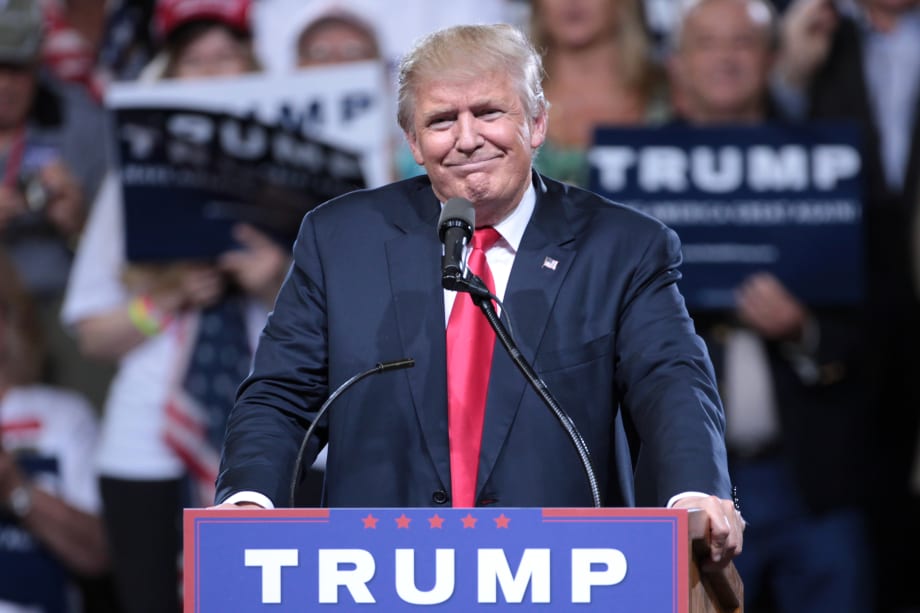
Photo via Gage Skidmore/Wikimedia.

Photo via Gage Skidmore/Wikimedia.
Donald Trump's swearing in as the nation's 45th president on Jan. 20 should usher in an era of economic growth, lower taxation, and fewer regulations that will benefit the commercial fleet industry, according to fleet management company experts.
"At least for the near term, there will be a focus on growing the economy," said Tom Callahan, president of Donlen. "This will be done by reducing taxes, repatriation of corporate profits, closing loop holes and lessening burdensome regulations, and this will provide stimulus to the economy and drive expansion, which means more fleet orders."

Callahan
Repealing and replacing Obama's health-care plan, tax reform, reversing regulations, immigration, and infrastructure spending should appear on Trump's to-do list during his first 100 days, reports The Hill.
Within days of Trump's Nov. 8 election victory over Hillary Clinton, the Alliance for Auto Manufacturers submitted a letter asking the president-elect to review corporate average fuel economy (CAFE) standards that had been tightened by President Obama.
The Trump administration is opposed to the Paris Agreement climate accord ratified in April that seeks to reduce greenhouse gas emissions, and Energy Department secretary pick Rick Perry once called for the elimination of the agency.

Coffey
"If Trump eventually rolls back regulations in the automotive sector, he would likely stimulate growth," said Tom Coffey, vice president of sales and marketing with Merchants Fleet Management. "We believe increased growth could come if regulations are relaxed, especially in the automotive sector, but hopefully not at the expense of safety and the environment."
Through a series of tweets and a Jan. 11 press conference, Trump has indicated a desire to reduce regulations.
Trump and House Republicans will need to reach consensus on plans to revamp the international tax code.
Trump has said a GOP plan to create what experts call a "border adjustable" business tax is too complicated. The proposal would essentially tax imports but not exports. It's projected to raise more than $1 trillion, and is one of the main ways they intend to finance an overhaul, reports Politico.
Facets of tax reform could affect fleet management companies.
"The lowering of corporate taxes and possible one-time lower taxation of repatriated profits could be paired with limitations on deductions including deductibility of interest expense," said Callahan. "This can potentially impact financial services companies including FMCs."
Trump has already made his presence felt in the weeks leading up to his inauguration with a series of Twitter updates mentioning companies, including automakers, who produce vehicles in Mexico. This month, automakers have made a flurry of announcements about new manufacturing investments in the U.S., including Ford canceling its $1.6 billion Mexico plant, Fiat Chrysler expanding Jeep production in Ohio and Michigan with $1 billion, General Motors investing $1 billion in U.S. manufacturing and shifting axle production to Michigan, and Hyundai-Kia spending $3.1 billion over five years, which may include a new SUV plant.
"The President elect’s desire to bring more manufacturing back to the U.S. could drive up vehicle prices through both higher production costs and import tariffs," Coffey added.
More Operations

Personal-Use Charges Rise as Vehicle Values Fall | AF News Recap
Personal-use charges are climbing, wholesale used-vehicle values are declining, and commercial fleet sales growth is slowing. This week, we're breaking down the latest fleet data, plus how Element Fleet Management is helping Waymo prepare for its first Canadian robotaxi market.
Read More →
Here's When You Should Make an Exception to Fleet Policy
Fleet policies are designed to create consistency, but not every driver or situation fits neatly within standard rules.
Read More →
AI-Native or AI-Acquired: What Should Fleet Managers Look for in an AI Platform?
Six questions can help fleet managers look beyond AI marketing claims to evaluate integration, data access, and real-world operational performance.
Read More →

A buyer's guide to fleet management software in 2027
Buying fleet management software in 2027 means looking beyond features and price. As fleet operations, technology and expectations evolve, this guide explores what today’s fleet professionals should consider when choosing a system that can deliver value now and adapt to what comes next.
Read More →
What Will Shape the Next Era of Fleet Management?
EVs, AI, and autonomous vehicles are reshaping fleet management. Discover what’s ahead—and how fleet leaders can prepare for the next era.
Read More →
How Fleets Can Recruit and Train Veterans for Technician Roles
Here's how the technician shortage has affected uptime for fleets, and what to do about it.
Read More →
Avis Budget Group Deploys Neology Toll Management Technology Across Major Brands
Neology’s neoFleet platform will manage toll transactions and toll-authority operations for vehicles across Avis, Budget, Payless, Budget Truck and Zipcar.
Read More →
Fleet Personal-Use Charges Edge Higher in 2026
Nearly eight in 10 surveyed fleets allow personal use of company vehicles, while just over half of respondents report charging employees for the privilege.
Read More →
The Future of Fleet + What’s Changing Right Now | AF News Recap
Could developments overseas offer a preview of what’s coming for U.S. fleets? This week, we’re looking at the future of AI, autonomy, and electrification, plus Ford Pro’s new certified pre-owned program, smarter vehicle offboarding, and a new way for fleets to manage toll expenses.
Read More →
How to Handle Vehicle Offboarding
What do fleet managers need to do when a driver leaves?
Read More →