




U.S. Court of Appeals Upholds EPA’s Ability to Regulate Greenhouse Gases
WASHINGTON - This verdict upholds the 2007 decision by the U.S. Supreme Court in Massachusetts vs. EPA that held greenhouse gases could be regulated as an air pollutant under the Clean Air Act.
WASHINGTON –In a challenge to the Environmental Protection Agency’s (EPA) authority to regulate greenhouse gases from industrial and automotive sources, the U.S. Court of Appeals in D.C. ruled that the EPA has the right to do so.
The EPA’s ability to regulate greenhouse gases was challenged in four lawsuits by U.S. states and industry groups. This verdict upholds the 2007 decision by the U.S. Supreme Court in Massachusetts vs. EPA that held greenhouse gases could be regulated as an air pollutant under the Clean Air Act.
According to the Court of Appeals’ written decision, it ruled specifically that the Endangerment Finding (i.e. where the EPA found that greenhouse gases could “reasonably be anticipated to endanger public health or welfare”) and Tailpipe Rule, which regulates vehicle emissions, are not “arbitrary or capricious.” The court also found that the EPA’s interpretation of the Clean Air Act provisions are “unambiguously” correct, and that none of the groups filing the lawsuits were successfully able to challenge the Timing and Tailoring rules that state that only the largest stationary sources of emissions would be subject to permitting requirements.
One argument that state and industry groups cited was that the National Highway Traffic Safety Administration’s (NHTSA) ability to regulate fuel economy gave the EPA the ability to defer regulating greenhouse gases at its discretion. The Court of Appeals sided with the Supreme Court’s decision, which rejected the contention that the EPA had the ability to defer regulation.
“Just as EPA lacks authority to refuse to regulate on the grounds of NHTSA’s regulatory authority, EPA cannot defer regulation on that basis,” the decision read.
In a press statement from the National Association of Manufacturers, the organization and its members said they object to the decision, with association President and CEO Jay Timmons describing the ruling as a “setback for businesses facing damaging regulations from the EPA.”
Timmons said the organization is considering further legal options on appeal.
By Greg Basich
More Green Fleet

New Propane Autogas Program Offers Fleet Compensation
Qualified commercial fleets can receive $7,500 per eligible propane autogas vehicle and up to $10,000 for new refueling site prep. Learn how the program works and see whether your fleet qualifies.
Read More →
EV Charging Use Is Outpacing Infrastructure Growth
ChargePoint’s 2026 Charging Forward Report points to rising charger use, higher-powered charging, commercial vehicle electrification, and energy-management technology. Here’s what fleets should know.
Read More →
Merchants Fleet Reports 290M EV Miles as Fleets Navigate Changing Electrification Market
From millions in operating savings to hundreds of millions of EV miles, Merchants Fleet’s latest report reveals what’s working and what’s changing in fleet electrification.
Read More →

The EV Breakdown Nobody's Talking About: Why Most Electric Vehicle Roadside Calls Aren't Mechanical Failures
Here's why EV breakdowns are widely misunderstood.
Read More →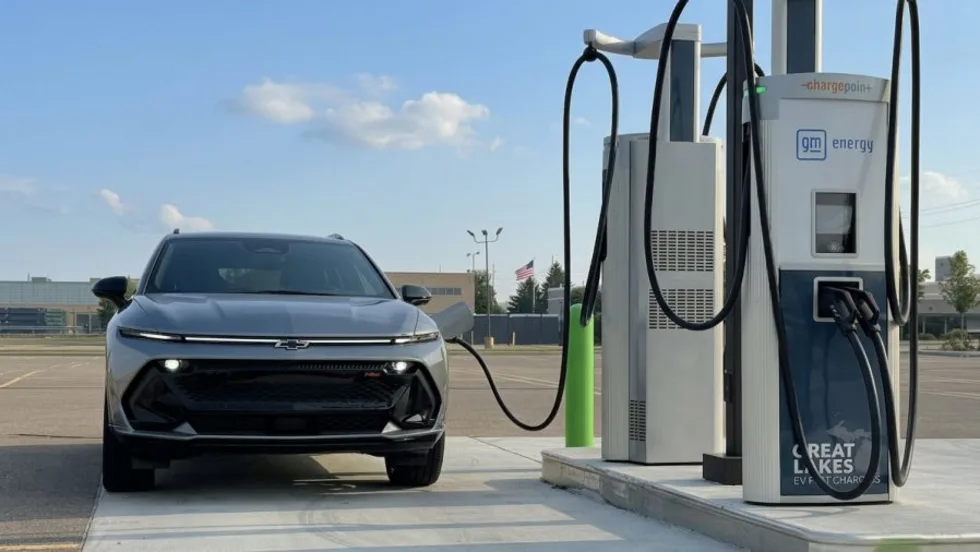
ChargePoint Now Available in Energy Pass
ChargePoint and additional planned charging network integrations were added to GM's Energy Pass.
Read More →

First Look: Slate Auto's Electric Fleet Pickup
Could an affordable, modular EV pickup make electrification more practical for fleets?
Read More →
Slate Debuts Colorful, Unique EV Models
A recent media and client event, studded with electric vehicles dressed up on platforms, planted a new position for the manufacturer in the wider EV market. Fleets will find cost-saving advantages.
Read More →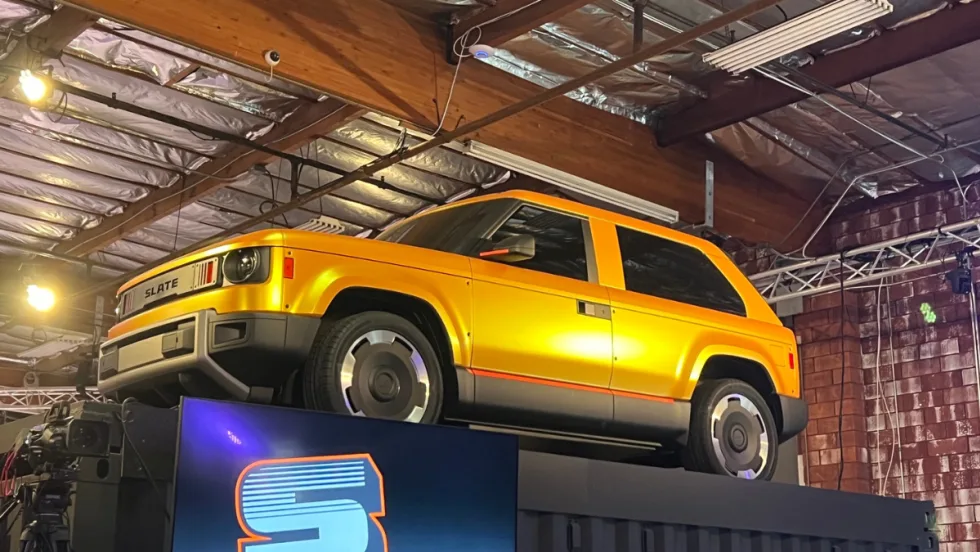
Slate Electric SUV, Pickup Switchable Model Aims For Light-Duty Fleets
Everything about this EV is counterintuitive and understated, making it stand out from the crowd.
Read More →
Inspiration Mobility Acquires Key Electrada Assets
Inspiration Mobility Group has acquired select assets of Electrada, adding the fleet electrification provider's team, technology, and charging infrastructure development capabilities to its energy management business.
Read More →