




Falling Fuel Prices Drive New-Vehicle MPG Lower
The average fuel economy of new vehicles sold in the U.S. in December fell 0.2 mpg to 24.9 mpg from the revised value for November, according to the University of Michigan's Transportation Research Institute.
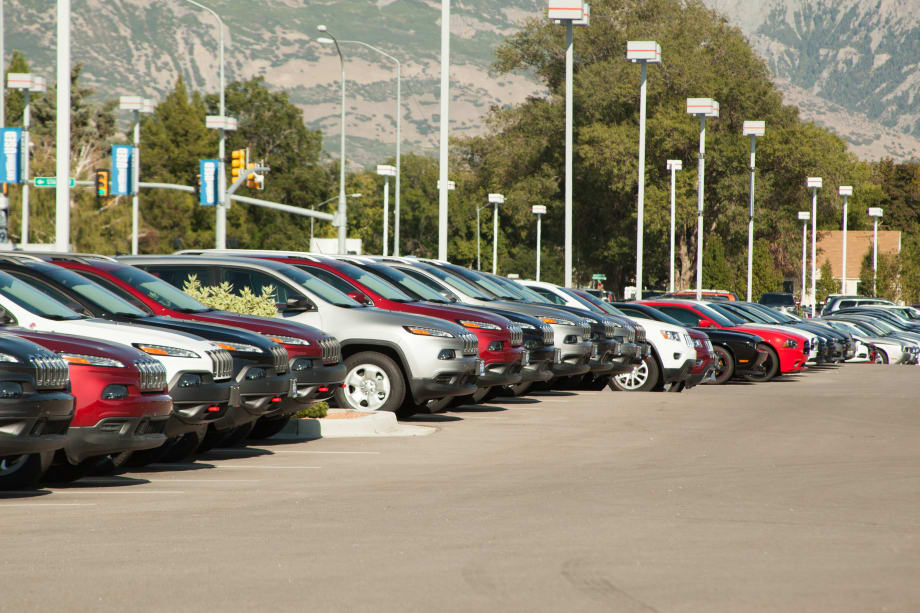
Photo via Flickr.
Photo via Flickr.
The average fuel economy of new vehicles sold in the U.S. in December fell 0.2 mpg to 24.9 mpg from the revised value for November, according to the University of Michigan's Transportation Research Institute.
This decline is likely due to continuing falling prices for gasoline in December and increased sales of pickup trucks, SUVs, and crossovers. Fuel economy is down 0.9 mpg from the peak reached in August 2014, but still up 4.8 mpg since October 2007.
The average fuel economy of vehicles sold in calendar year 2015 was 25.3 mpg, down 0.1 mpg from the value for the vehicles sold in 2014.
The University of Michigan Eco-Driving Index (EDI) — an index that estimates the average monthly emissions of greenhouse gases generated by an individual U.S. driver — was 0.84 in October, up 0.01 from September (the lower the value, the better). This value indicates that the average new-vehicle driver produced 16% lower emissions in September 2015 than in October 2007, but 6% higher emissions than the record low reached in August 2014.
The EDI takes into account both vehicle fuel economy and distance driven, the latter relying on data that are published with a two-month lag.
More Green Fleet
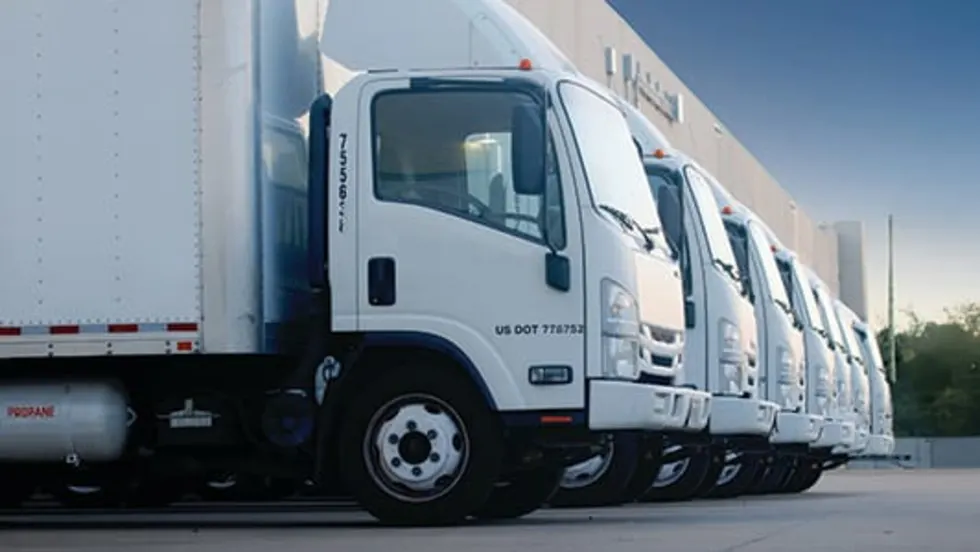
New Propane Autogas Program Offers Fleet Compensation
Qualified commercial fleets can receive $7,500 per eligible propane autogas vehicle and up to $10,000 for new refueling site prep. Learn how the program works and see whether your fleet qualifies.
Read More →
EV Charging Use Is Outpacing Infrastructure Growth
ChargePoint’s 2026 Charging Forward Report points to rising charger use, higher-powered charging, commercial vehicle electrification, and energy-management technology. Here’s what fleets should know.
Read More →
Merchants Fleet Reports 290M EV Miles as Fleets Navigate Changing Electrification Market
From millions in operating savings to hundreds of millions of EV miles, Merchants Fleet’s latest report reveals what’s working and what’s changing in fleet electrification.
Read More →
The EV Breakdown Nobody's Talking About: Why Most Electric Vehicle Roadside Calls Aren't Mechanical Failures
Here's why EV breakdowns are widely misunderstood.
Read More →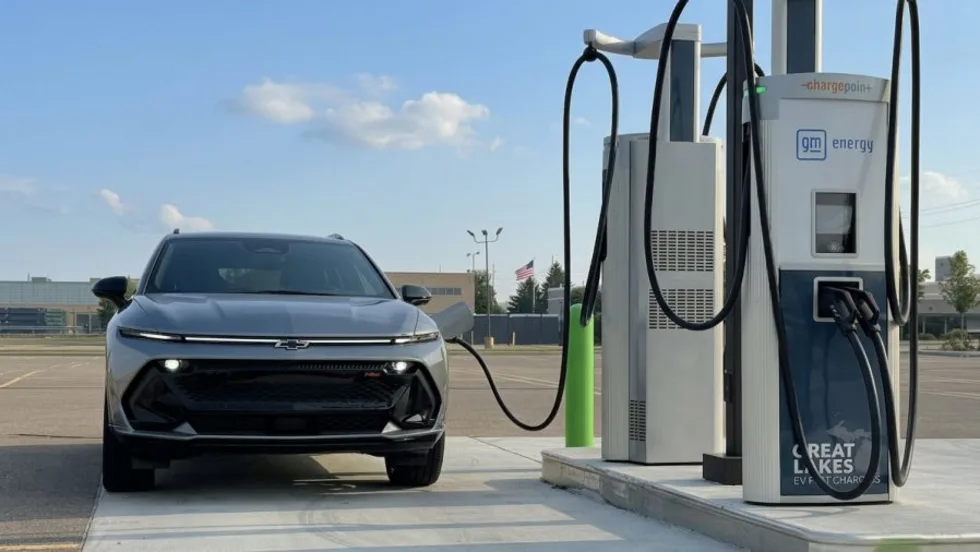
ChargePoint Now Available in Energy Pass
ChargePoint and additional planned charging network integrations were added to GM's Energy Pass.
Read More →

First Look: Slate Auto's Electric Fleet Pickup
Could an affordable, modular EV pickup make electrification more practical for fleets?
Read More →
Slate Debuts Colorful, Unique EV Models
A recent media and client event, studded with electric vehicles dressed up on platforms, planted a new position for the manufacturer in the wider EV market. Fleets will find cost-saving advantages.
Read More →
Slate Electric SUV, Pickup Switchable Model Aims For Light-Duty Fleets
Everything about this EV is counterintuitive and understated, making it stand out from the crowd.
Read More →
Inspiration Mobility Acquires Key Electrada Assets
Inspiration Mobility Group has acquired select assets of Electrada, adding the fleet electrification provider's team, technology, and charging infrastructure development capabilities to its energy management business.
Read More →