




DHL’s Aggressive Fleet Greening Plan
As part of a global, company-wide initiative, DHL Express has replaced approximately 75 percent of its 3,100-vehicle U.S. fleet with new, more fuel-efficient vehicles in 2014 and 2015, the parcel delivery company announced.
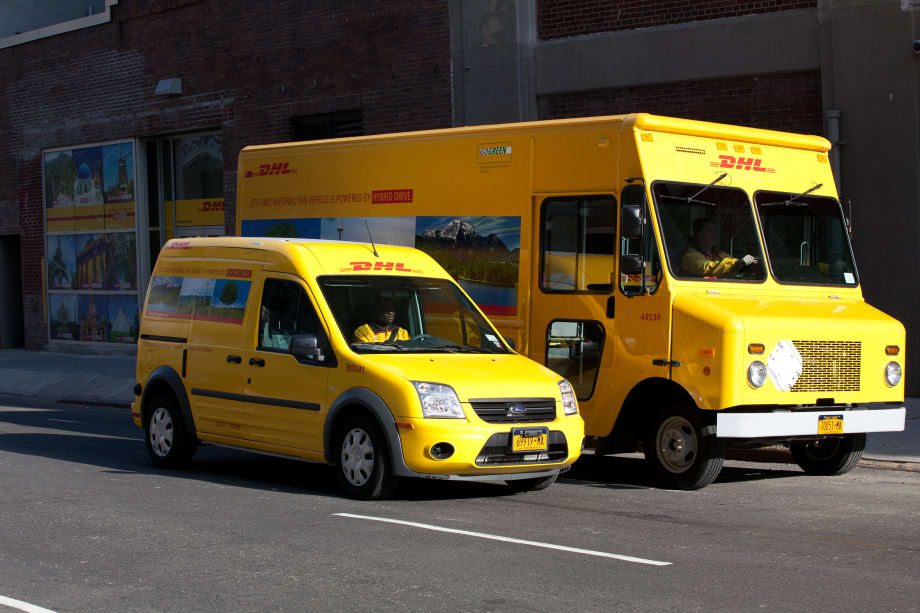
Photo courtesy of DHL Express.

Photo courtesy of DHL Express.
As part of a global, company-wide initiative, DHL Express has replaced approximately 75 percent of its 3,100-vehicle U.S. fleet with new, more fuel-efficient vehicles in 2014 and 2015, and over half of the vehicles it's adding in 2015 run on alternative fuels, the parcel delivery company announced.
The company has expanded its propane autogas vehicles in Detroit, Chicago, and Elizabeth, N.J., and introduced new battery-electric vehicles in New York and San Francisco. Additionally, DHL will be testing new gasoline hybrid-electric vehicles in several locations.
Under its GoGreen initiative, DHL looks to add fuel-efficient, hybrid, electric, or aerodynamically modified vehicles to its fleet worldwide. In addition, by the year 2020, DHL aims to improve the carbon efficiency of its operations by 30 percent compared to 2007, according to the company.
Having invested nearly $50 million in new U.S. fleet vehicles over the last two years, DHL has reduced its average fleet vehicle age from 6.7 years in 2012 to the current 3.6 years.
DHL's U.S. fleet includes over 500 propane autogas vehicles, 92 battery-electric vehicles, 54 hybrid-electric vehicles, 425 clean diesel vehicles, and 70 high-efficiency compact delivery vehicles.
More Green Fleet
New Propane Autogas Program Offers Fleet Compensation
Qualified commercial fleets can receive $7,500 per eligible propane autogas vehicle and up to $10,000 for new refueling site prep. Learn how the program works and see whether your fleet qualifies.
Read More →
EV Charging Use Is Outpacing Infrastructure Growth
ChargePoint’s 2026 Charging Forward Report points to rising charger use, higher-powered charging, commercial vehicle electrification, and energy-management technology. Here’s what fleets should know.
Read More →
Merchants Fleet Reports 290M EV Miles as Fleets Navigate Changing Electrification Market
From millions in operating savings to hundreds of millions of EV miles, Merchants Fleet’s latest report reveals what’s working and what’s changing in fleet electrification.
Read More →
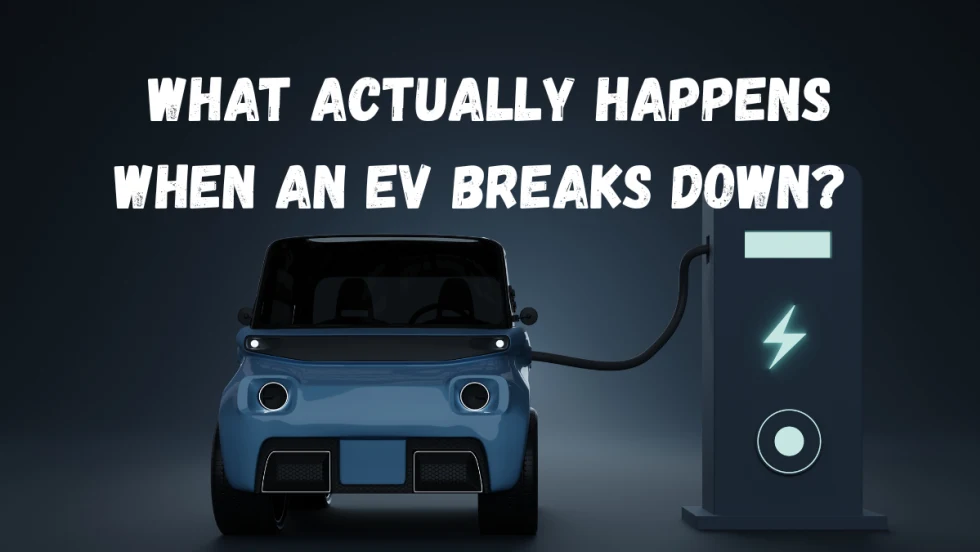
The EV Breakdown Nobody's Talking About: Why Most Electric Vehicle Roadside Calls Aren't Mechanical Failures
Here's why EV breakdowns are widely misunderstood.
Read More →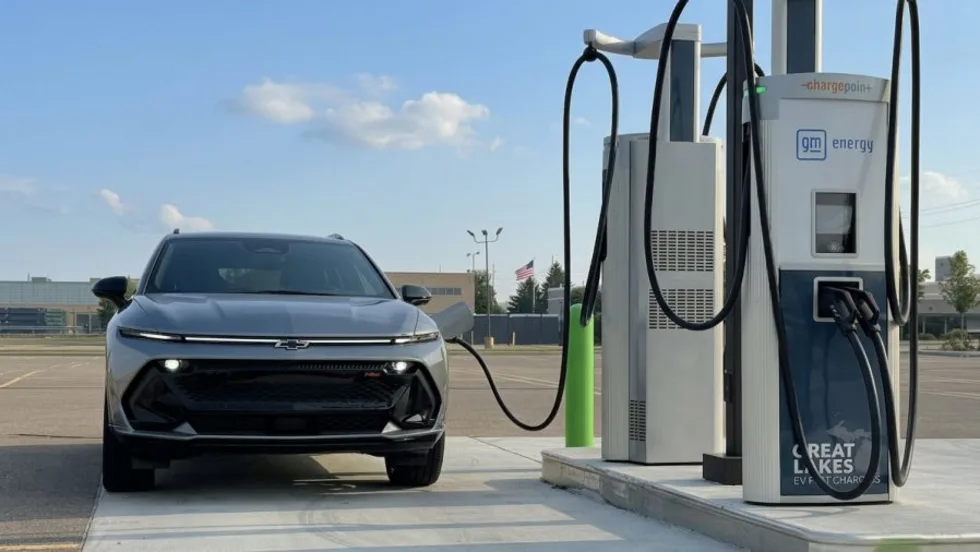
ChargePoint Now Available in Energy Pass
ChargePoint and additional planned charging network integrations were added to GM's Energy Pass.
Read More →

First Look: Slate Auto's Electric Fleet Pickup
Could an affordable, modular EV pickup make electrification more practical for fleets?
Read More →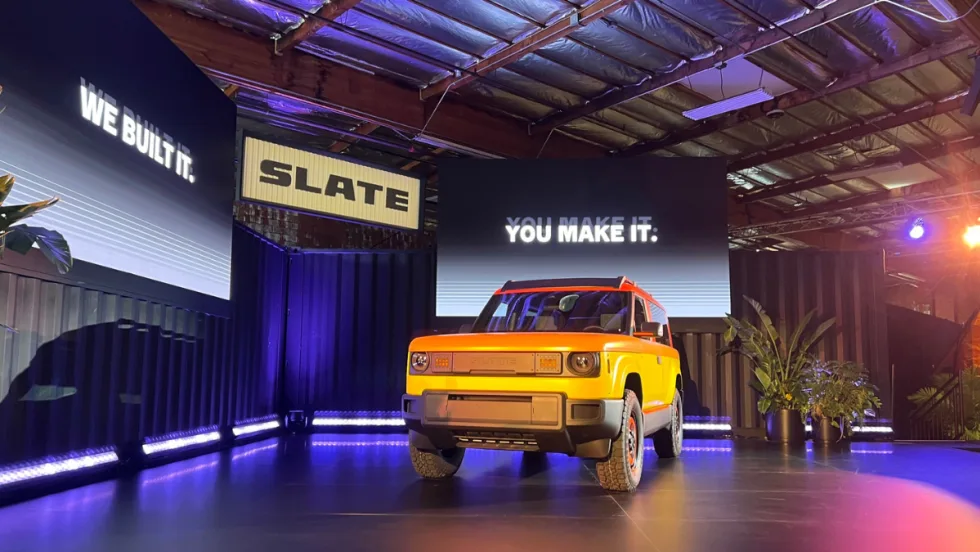
Slate Debuts Colorful, Unique EV Models
A recent media and client event, studded with electric vehicles dressed up on platforms, planted a new position for the manufacturer in the wider EV market. Fleets will find cost-saving advantages.
Read More →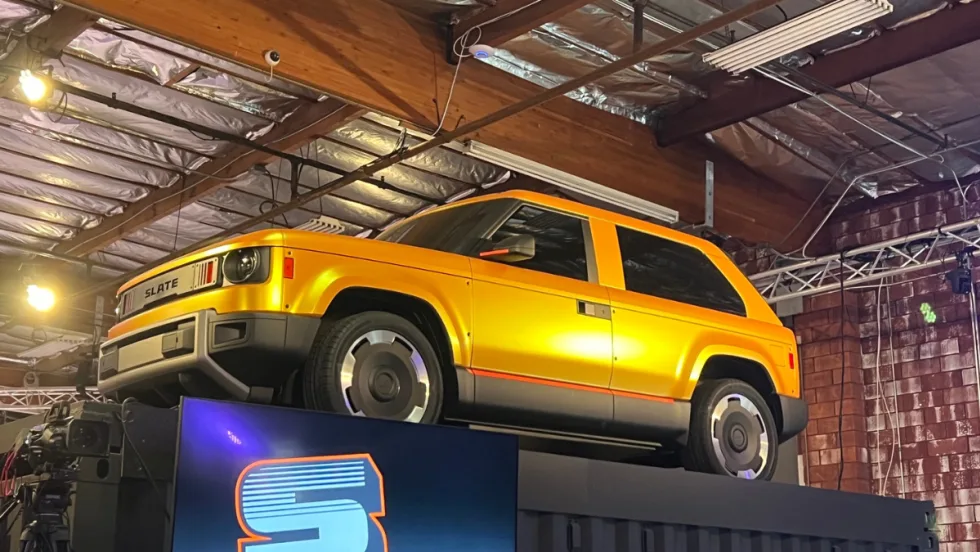
Slate Electric SUV, Pickup Switchable Model Aims For Light-Duty Fleets
Everything about this EV is counterintuitive and understated, making it stand out from the crowd.
Read More →
Inspiration Mobility Acquires Key Electrada Assets
Inspiration Mobility Group has acquired select assets of Electrada, adding the fleet electrification provider's team, technology, and charging infrastructure development capabilities to its energy management business.
Read More →