




Cable Provider Joins Clean Cities to Improve Efficiency
To further reduce its petroleum use and increase efficiency within its fleet of 20,000 services trucks and vehicles, Time Warner Cable has joined the Department of Energy's Clean Cities' National Clean Fleet Partnership.
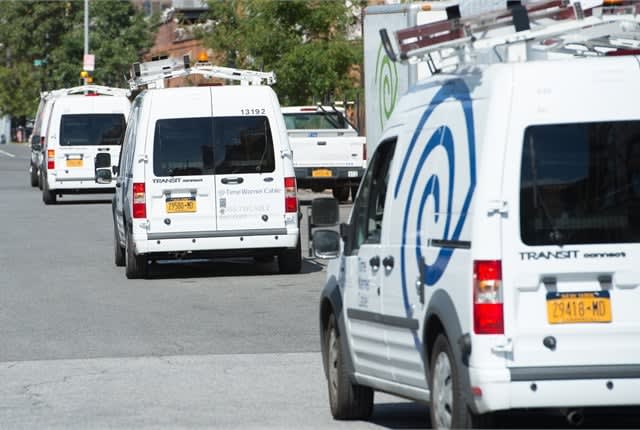
Photo: Time Warner Cable
To further reduce its petroleum use and increase efficiency within its fleet of 20,000 services trucks and vehicles, Time Warner Cable (TWC) has joined the Department of Energy's Clean Cities' National Clean Fleet Partnership. Participation in the Clean Fleet Partnership is part of the company's "Go Green" initiative and overall commitment to corporate responsibility, which is targeting a 15-percent or more reduction in total carbon intensity by the end of 2014.
“One of TWC’s core values is a commitment to responsible business practices that positively impact the communities we serve,” said Rob Marcus, chairman and CEO of Time Warner Cable. “We are very pleased to join this important DOE partnership to help our fleet achieve greater levels of environmental efficiencies. TWC looks forward to working with other large national fleet owners to share best practices that will drive down our fuel consumption, overall vehicle costs and environmental impact.”
TWC’s fleet is one of the largest private sector fleets in the country — listed as number six on the 2014 Top 300 list compiled by Automotive Fleet — and, in recent years, has taken action to utilize more fuel-efficient vehicles. TWC said it is replacing service vehicles with Ford Transit and Ford Transit Connect vehicles that are capable of achieving a 40-percent fuel performance improvement over replaced fleet. The Ford Fusion Hybrid has been made the standard TWC passenger car, which brings a 33-percent increase in fuel efficiency. The company has also doubled the number of Electric Power Take Off devices within its fleet of bucket trucks, which reduces idle time as it allows the vehicle to be shut down when the bucket is in use.
The Clean Cities’ National Clean Fleets Partnership establishes strategic alliances with large private fleets to help them explore and adopt alternative fuels and fuel economy measures to reduce petroleum use. TWC will be provided with technical services, data and assistance to develop a petroleum reduction plan, and be given access to tools and resources to navigate alternative fuels and advanced vehicles. TWC will also have access to information exchange among other Fortune 500 companies that are Clean Fleet Partners.
More Green Fleet
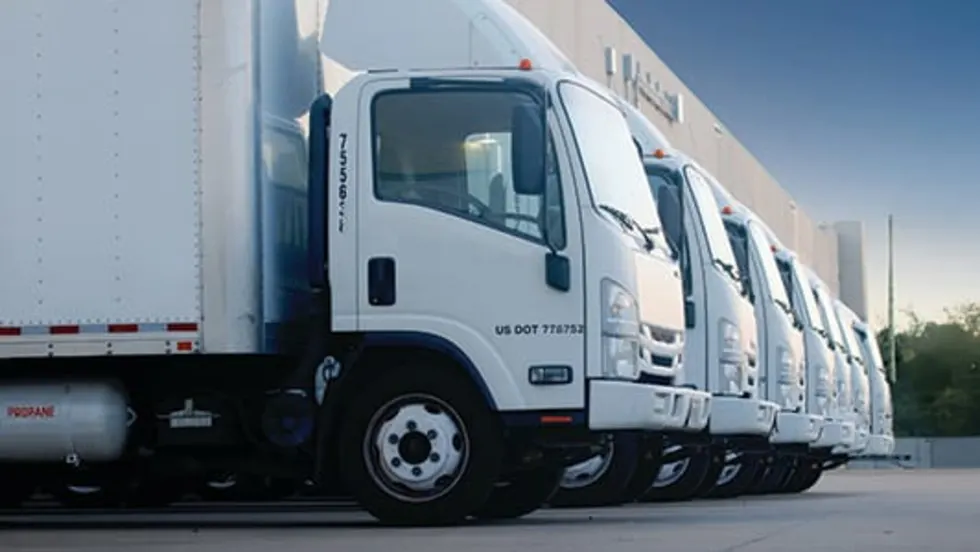
New Propane Autogas Program Offers Fleet Compensation
Qualified commercial fleets can receive $7,500 per eligible propane autogas vehicle and up to $10,000 for new refueling site prep. Learn how the program works and see whether your fleet qualifies.
Read More →
EV Charging Use Is Outpacing Infrastructure Growth
ChargePoint’s 2026 Charging Forward Report points to rising charger use, higher-powered charging, commercial vehicle electrification, and energy-management technology. Here’s what fleets should know.
Read More →
Merchants Fleet Reports 290M EV Miles as Fleets Navigate Changing Electrification Market
From millions in operating savings to hundreds of millions of EV miles, Merchants Fleet’s latest report reveals what’s working and what’s changing in fleet electrification.
Read More →
The EV Breakdown Nobody's Talking About: Why Most Electric Vehicle Roadside Calls Aren't Mechanical Failures
Here's why EV breakdowns are widely misunderstood.
Read More →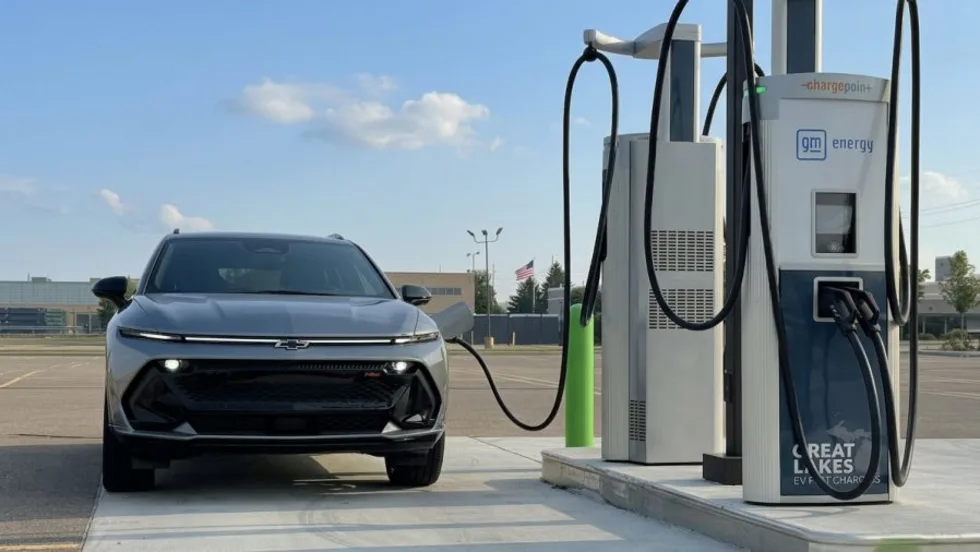
ChargePoint Now Available in Energy Pass
ChargePoint and additional planned charging network integrations were added to GM's Energy Pass.
Read More →

First Look: Slate Auto's Electric Fleet Pickup
Could an affordable, modular EV pickup make electrification more practical for fleets?
Read More →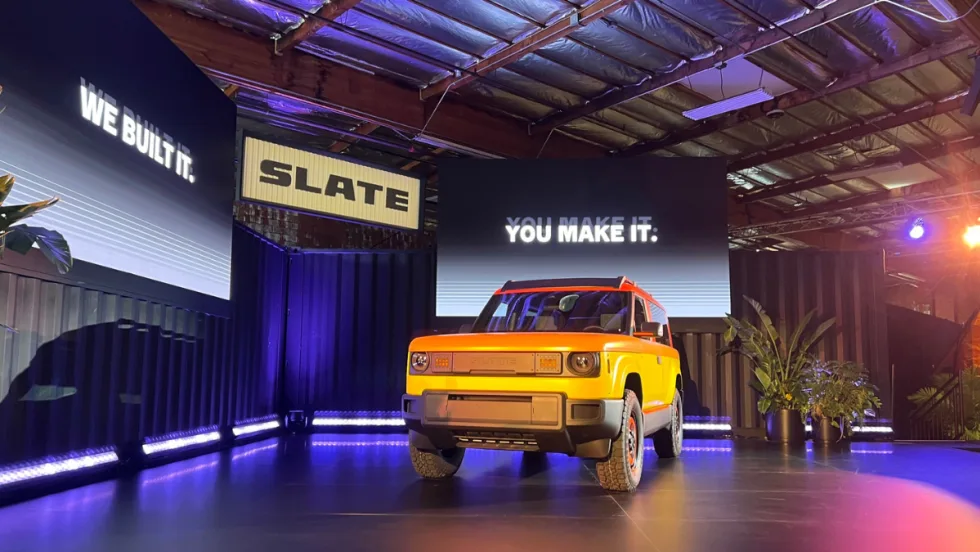
Slate Debuts Colorful, Unique EV Models
A recent media and client event, studded with electric vehicles dressed up on platforms, planted a new position for the manufacturer in the wider EV market. Fleets will find cost-saving advantages.
Read More →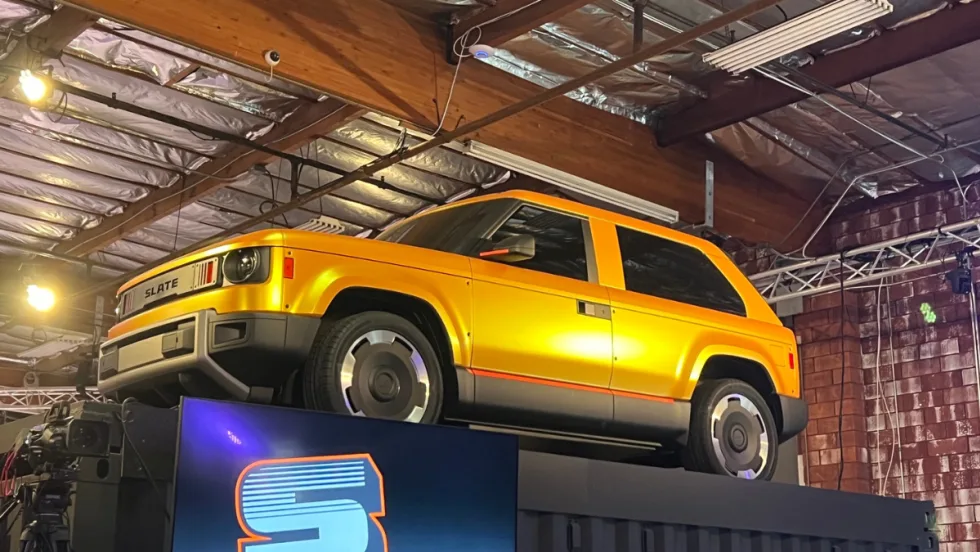
Slate Electric SUV, Pickup Switchable Model Aims For Light-Duty Fleets
Everything about this EV is counterintuitive and understated, making it stand out from the crowd.
Read More →
Inspiration Mobility Acquires Key Electrada Assets
Inspiration Mobility Group has acquired select assets of Electrada, adding the fleet electrification provider's team, technology, and charging infrastructure development capabilities to its energy management business.
Read More →