




The ELD Mandate: Your Fleet Checklist
The federal electronic logging device (ELD) mandate has entered the implementation phase. Learn what you need to know to meet the deadline and the role telematics can play in automating ELD compliance.
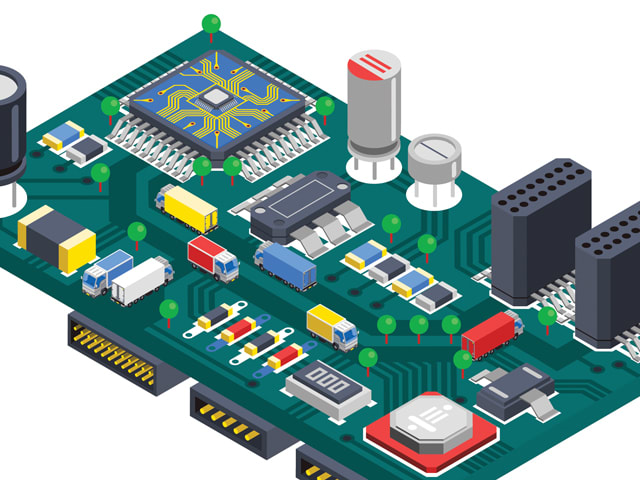
Illustration courtesy of GettyImages.com/Askold Romanov.
Illustration courtesy of GettyImages.com/Askold Romanov.
On Dec. 18, the industry will enter Phase Two of the Federal Motor Carrier Safety Administration (FMCSA) implementation of the new ELD rule. The rule itself was finalized in 2015, making the beginning of Phase One, which included a public awareness campaign focused on the need to meet the deadlines set forth by the mandate.
This next phase will be focused on increasing compliance, and all fleets will need to have completely phased out the use of logging software or paper logs by Dec. 16, 2019 — although automatic onboard recording device (AOBRD) systems will still be allowed for the time being. But all fleets will need to have full ELD implementation by the 2019 deadline to be considered compliant.
It is worth noting that, while the deadlines have shifted, the mandate won't be delayed indefinitely. It is absolutely worth it to go ahead and get your fleet compliant now. With that in mind, here is a checklist of things all fleet managers should be aware of as the first deadline rapidly approaches.
Understand What the Mandate Means and How It Affects Your Fleet
The ELD mandate was established by Congress to phase out paper logbooks, replacing them with an electronic logging device to record each driver's hours of service (HOS). The rule requires that the device have the capability to connect to the vehicle's electronic control module to track its movements, while allowing drivers and fleet administrators access to make manual edits.
For the average fleet, this means a change in the way you log your drivers' time. While there are a few exceptions, for the most part, all fleets will need to have phased out all manual recording of hours spent on the road for any reason. While it might seem like a daunting task that can fundamentally change the way your run your fleet, there are some benefits as well:
Moving to an ELD will ensure you are complaint with all current federal laws and regulations, reducing the possibility of being fined or cited.
It can increase productivity in the fleet, removing the need to have someone manually log all of the paper records, or input the date into multiple systems.
It can reduce your insurance premiums, since accurate records and documentation can prove your fleet is driving safely and taking all proper precautions.
Evaluate Your ELD Options
It is critical to note that, for the moment, there is no FMCSA verification or certification process. ELD solution providers can only guess as to what will ultimately be required to be fully compliant. However, that doesn't mean your fleet should just go with whichever solution you come across first.
Your provider should have a proven track record for meeting compliance standards, and they should have the ability to upgrade their hardware and software if compliance changes require them to do so. Finally, their experts should be able to answer any questions you might have as they come up — before, during, and after implementation.
Reach Out to Your Telematics Provider
If you are considering implementation or you already have a telematics system in place, implementing an ELD system could be as easy as reaching out to your provider and exploring their offerings. Most telematics providers now offer ELD systems as well, and there are a variety of benefits to having it all under the same proverbial roof. (See sidebar.)
One thing to keep in mind, however, is to make sure your telematics provider's solution actually meets your ELD needs. Don't just go with someone because you already have a piece of their system in your operation. Ultimately, you want your ELD system to work for you, not be something you have to work around.
Help Your Drivers Understand the Benefits
Take the time to sit down with your team to go over the coming changes. Stress the compliance issues, and then detail the steps you are taking to make sure the company and its drivers are all covered under the coming rules. Make sure you provide training on any new systems as often as necessary to ensure every employee is comfortable with how the new systems work. This will go a long way toward assuaging any worry or fear about why the new systems are being implemented, or what types of information they are capturing.
The ELD mandate is changing the way fleets are managed. But as daunting as the task might seem, getting ahead of the game and implementing the new systems on your own terms — and within a timeframe that works for your fleet — is preferable to waiting until the deadline passes and then being forced to implement a solution that may be less than perfect.
4 Benefits to Bundling ELD With Telematics
The electronic logging device (ELD) mandate deadline is rapidly approaching, and fleet managers are working with their telematics providers to ensure compliance. Here are four key benefits to bundling ELD with telematics:
It is a single platform: Fleet managers don't have to toggle between different interfaces to access different types of information. This also makes it easier to tie diverse data points together and get a compliance "snapshot" in real time.
There is a more seamless transition and shorter learning curve: By bundling these two functions together, the transition to the new ELD system will be much faster. Both administrators and drivers will already know the interface and how it works, so implementation is just a matter of activating additional functions.
There is enormous potential for cost savings: It is entirely possible the hardware and software systems you already have installed are already capable of ELD reporting as well, saving the fleet on the time and costs of implementing yet another system. It can also be more cost-effective to have a single account to pay each month, with the possibility of discounts for using multiple systems from the same provider.
It can buy your fleet time for full compliance. Even if you aren't ready to implement a full ELD system just yet, you may be able to bundle telematics with your AOBRD system, which can remain in place until the December 2019 ELD compliance deadline.
More Telematics
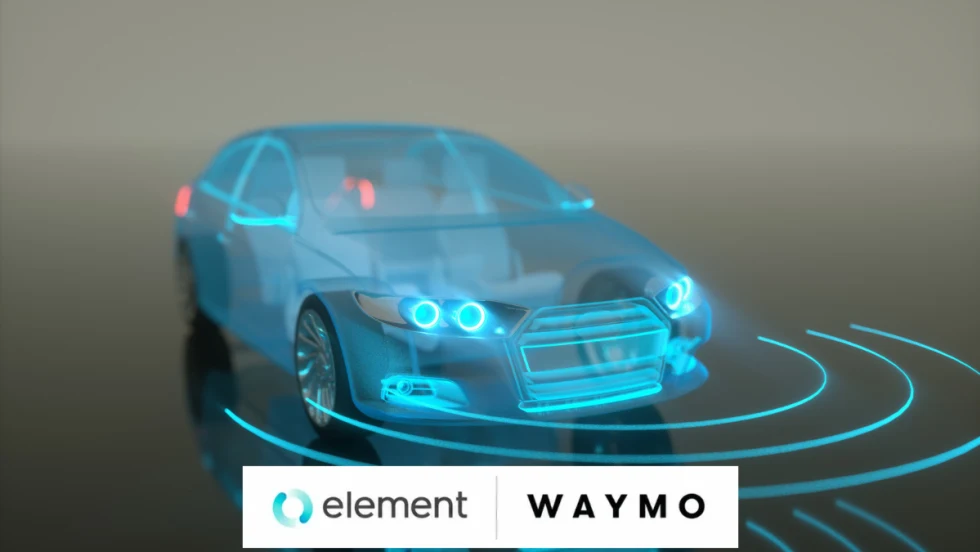
Element Expands Waymo Partnership to Support Toronto Robotaxi Fleet
As Waymo prepares to enter the Canadian market, Element Fleet Management will oversee the fleet operations supporting its planned Toronto launch. The partnership highlights the maintenance, charging, and infrastructure requirements behind operating autonomous vehicles at scale.
Read More →
GM Launches OnStar Fleet Intelligence Platform With AI Assistant
The new platform brings vehicle data, order tracking, connected services and fleet analytics into one system, with an AI assistant that can answer fleet questions using natural-language prompts.
Read More →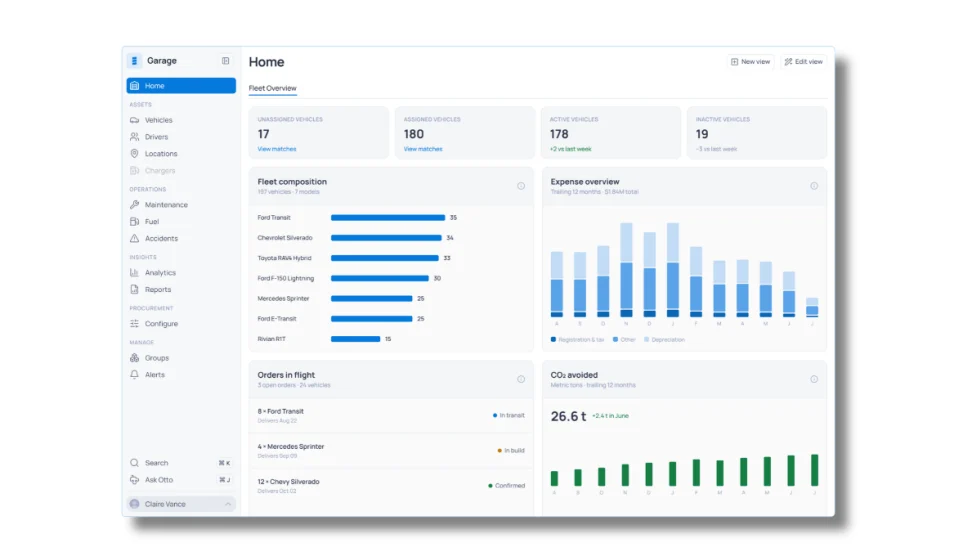
Inspiration Fleet Introduces Garage 2.0 Fleet Intelligence Platform
Fleet managers increasingly have access to data from vehicles, telematics, fuel, charging, and other systems, but those sources don't always communicate with one another. Inspiration Fleet's Garage 2.0 platform brings that information together while letting fleets keep working with different technology and service providers.
Read More →
Inside Inspiration Fleet’s New Platform for Connecting Fleet Data
Inspiration Fleet CTO Chris Getner explains how the new Garage 2.0 platform is designed to connect disparate fleet data and what that could mean for fleet managers in practice.
Read More →
Fleet Manager’s Ultimate Playbook: Navigating the New Standard in OEM Connectivity
Rising operating costs, driver safety concerns, and unplanned downtime are putting unprecedented pressure on modern fleets. Discover how fleet managers use embedded OEM connectivity and real-time vehicle data to cut TCO, prevent downtime, and protect drivers without aftermarket telematics hardware.
Read More →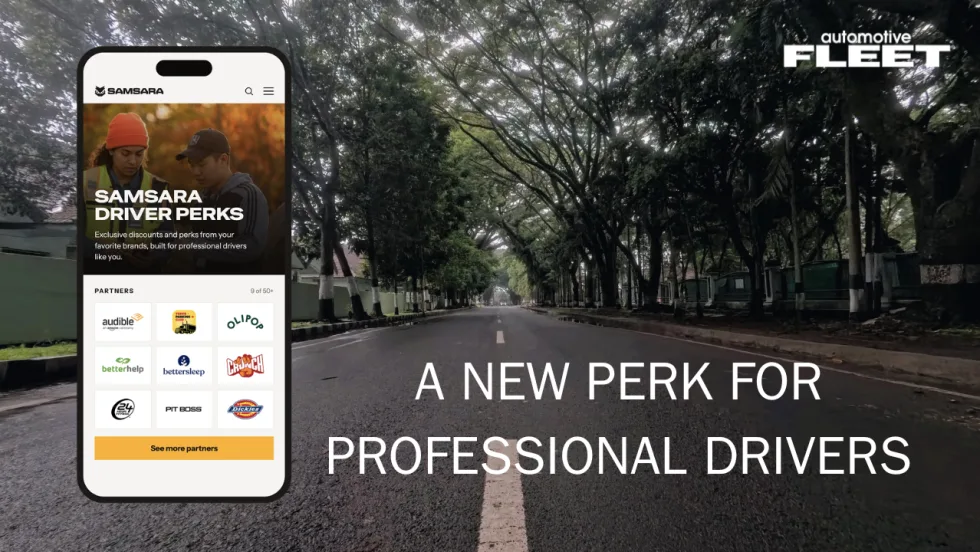
Samsara Driver Perks Adds New Benefit for Corporate Fleet Drivers
The rewards program gives eligible professional drivers access to discounts from more than 50 brands while giving fleets another way to support recruitment, retention, and the driver experience.
Read More →
Inside the Church of Jesus Christ of Latter-day Saints’ Two-Track Telematics Strategy
With 20,000 vehicles and two fundamentally different driver populations, the Church faced a fleet management problem that a single telematics program couldn't solve. How it responded offers a replicable framework for any fleet where one size doesn't fit every driver.
Read More →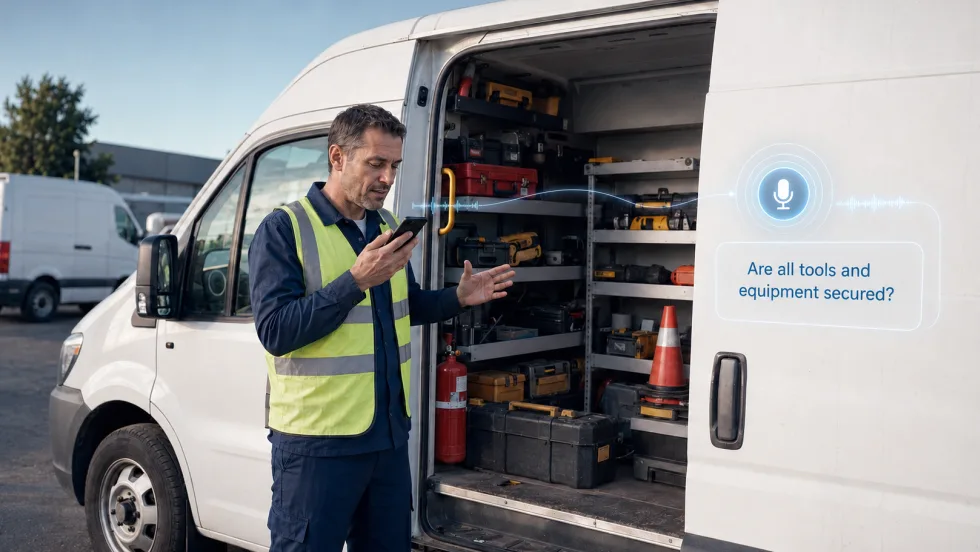
How Conversational AI Can Make Fleet Tasks Easier for Drivers
While most generative AI tools help fleet managers interpret data at their desks, Connex2X is applying voice interaction to tasks behind the wheel.
Read More →
Why Fleets Are Creating Dedicated Fleet Analyst Positions
Are fleet analyst positions the new norm? Listen here to find out.
Read More →
Teletrac Navman Begins Next Chapter as Standalone Private Company
What's new with Teletrac Navman and its new owner?
Read More →