




Telematics Case Study: Reporting Snow-Cleared Roads
Hamilton Township sought a way to more efficiently clear more than 600 lane miles of snow-covered roadways, while also keeping citizens and public officials informed of their progress.
Logo via Baltimore County.
Logo via Baltimore County.
Established in 1686, Hamilton is located in Central New Jersey, which is about an hour's drive from New York, Philadelphia, and the Jersey Shore — and covers nearly 40 square miles.
The Fleet: In addition to other fleet units, Hamilton Township, N.J. operates a fleet of trucks used for snow removal.
The Challenge: Facing snowy winters and citizens in need of passable roads, Hamilton Township sought a way to more efficiently clear more than 600 lane miles of snow-covered roadways, while also keeping citizens and public officials informed of their progress.
The Solution: GPS tracking devices installed in public works vehicles constantly transmit raw data about their location and activities to a centralized server, where it is organized and stored. Specific information on plowing operations can then be accessed through an online portal.
The Results: Individual residents can access the online tracking portal — dubbed "Snow Pal Sal" by local administrators — directly through the government's website.
With an easy-to-use online interface, individuals interested in finding out when their neighborhood will be plowed simply type their street address into a text box. They are then automatically taken to a graphic display, which shows an estimate of when snow-clearing crews are expected to reach their area.
In addition to providing useful information to customers, this software helps service providers maintain a high level of efficiency in their operations. By tracking fleet vehicles in real time, those responsible for coordinating cleanup activities can see exactly where each truck is currently located, as well as where the unit has been.
This allows officials to react to developments and make the most effective use of their fleet resources. With the ability to constantly monitor the location of each plow, fleet managers can determine the best way to distribute their resources and tackle the challenge of keeping local roads clear.
More Telematics

Waymo vs. Tesla Robotaxi: Side-by-Side Ride-Hailing Test Highlights Different Approaches to Autonomy
Video comparison in Austin contrasts traditional Uber service with autonomous offerings from Waymo and Tesla Robotaxi.
Read More →
Paying for a Fire Hose, Drinking from a Garden Hose: Getting the Full Value of Your Telematics
Why fleets struggle to turn telematics data into real-world results and how to fix it.
Read More →
Building Smarter Cybersecurity Policies for Fleet Operations
As fleet operations become increasingly connected, cybersecurity can no longer be treated as an IT issue alone. Building effective policies requires a proactive approach that protects vehicles, data, and operational systems while ensuring employees, vendors, and technology partners follow consistent security standards.
Read More →

Turning Connected Vehicle Data Into Decisions That Matter
Fleet leaders have more data than ever, but turning that data into clear, actionable decisions remains a challenge. This white paper shows how leading organizations are using connected vehicle data to improve safety, reduce costs, and optimize fleet performance. Learn how to turn insight into action across your fleet.
Read More →
Cameras, Safety and Insurance: From Reactive Claims to Real-time Prevention
Commercial auto remains one of the most challenging and costly lines of coverage for fleet operators and insurers alike. Learn more about how to effectively address these issues from Onur Aksan, Enterprise Business Development Executive, Geotab.
Read More →
The Predictive Pivot: How AI and Data Are Redefining Auto Logistics in 2026
AI is no longer a luxury but the baseline for profitability in 2026. Auto haulers that adopt these tools now will quickly outpace those that use manual workflows or take a wait-and-see approach.
Read More →
How 5-Second Telematics Data Is Changing Fleet Safety
More detailed telematics data is giving fleets a clearer picture of what happens before a crash. Here’s why 5-second data matters.
Read More →
Mobilisights Rebrands as Mobilisights Connect
Stellantis is rebranding and expanding its B2B offerings, now offering software solutions for fleets through Mobilisights Connect.
Read More →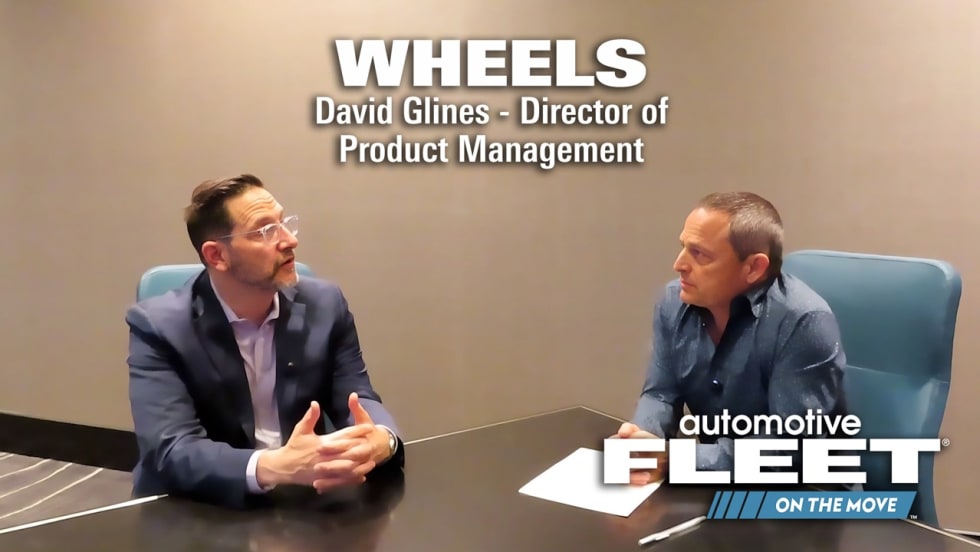
Can AI Really Make Fleet Drivers Safer?
Wheels’ David Glines explains how AI-powered coaching, connected vehicle data, and video telematics are helping fleets improve driver behavior.
Read More →
Ford Pro Telematics Introduces Asset Tracking
Ford Pro Telematics new software update allows fleet managers more control over their vehicle data and assets with customizable dashboards and data-driven search capabilities.
Read More →