




Related: Trucking Ready for Harvey Recovery, Spot Market Data Suggests
FMCSA Suspends Rules in 26 States to Help Fuel, Supplies Flow after Harvey
To aid in the effort to bring supplies and fuel to areas affected by Hurricane Harvey, the Federal Motor Carrier Safety Administration and the State of Texas have lifted several trucking regulations to cut down on red tape and smooth the flow of goods.
by Staff
September 1, 2017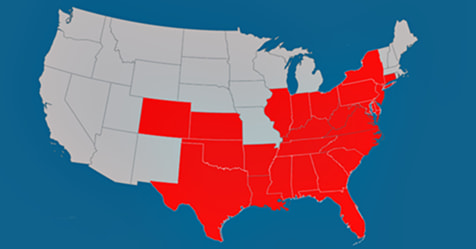
FMCSA is suspending certain trucking regulations in 26 states and the District of Columbia to aide in the recovery effort from Hurricane Harvey. Image: FMCSA
2 min to read
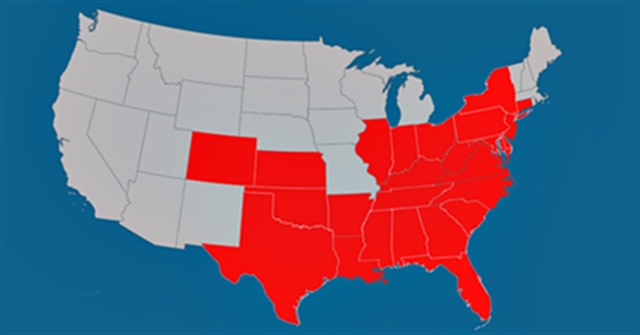
FMCSA is suspending certain trucking regulations in 26 states and the District of Columbia to aide in the recovery effort from Hurricane Harvey.Image: FMCSA
To aid in the effort to bring supplies and fuel to the areas affected by Hurricane Harvey, the Federal Motor Carrier Safety Administration and the State of Texas have temporarily suspended several trucking regulations.
FMCSA announced on Sept. 1 that due to an expected shortage of fuel products, including gasoline, diesel, aviation fuel, propane and home heating oil, "due to refinery delays and interruption of delivery through pipelines as a result of damage from Tropical Storm Harvey," it has declared a regional emergency declaration for 26 States and the District of Columbia. "Motor carriers and drivers providing direct assistance to the emergency transporting fuel products into and from these States and jurisdictions are granted emergency relief from Title 49 CFR Parts 390 through 399," the agency stated.
The suspended regulations include those concerned with driver hours of service, inspection, repair, and maintenance, hazardous materials transportation, driving, and parking, and other health and safety standards.
Texas Governor Greg Abbot (R) has issued a temporary waiver of the International Fuel Tax Agreement, suspending requirements that trucking firms track and pay tax on the amount of fuel used in Texas when delivering relief supplies and fuel into the state. The suspension is aimed at speeding up the movement of needed relief supplies and fuel into the state and immediately reducing the cost and administrative burden.
"As Texas begins the recovery process in the wake of Hurricane Harvey, it is important that Texans have access to much-needed resources, including gasoline and fuel." said Gov. Abbott. "Texans should rest assured that their state government is doing every possible to ensure the accessibility and affordability of the necessities allowing us to focus on the process of rebuilding together after this storm."
In other news, the Port of Houston, an important economic driver in the region, is already being reopened after having been mostly spared flood damage, according to a report in Quartz. The port is the top U.S. port for fuel exports. With it reopened, ships that have been anchored offshore will be able to offload goods and take on new freight.
More Fuel
Fuel Prices Surge in September | September Fuel Update
September brought major fuel price swings, including diesel crossing $6 a gallon. Here’s how gas and diesel prices changed throughout the month, and where they stood heading into October.
Read More →
Turning Fleet Payment Data into Executive Insights
Ramel Lindsay of U.S. Bank Voyager discusses how fleets can transform payment and transaction data into actionable intelligence to reduce costs, improve oversight, and support executive decision-making.
Read More →
Why the IRS Raised Its Mileage Rate in the Middle of 2026
Fuel-price volatility drove the rare increase to 76 cents per mile, the fifth midyear adjustment since 2000.
Read More →
July Fuel Update: Prices Keep Rising in Light of More Conflict
Gas prices continue to rise as more and more conflicts do, too.
Read More →
Bob Adamsky on Fuel Volatility: "Don't Panic, Have a Plan."
When it comes to up and down fuel prices, Adamsky has a message for fleets: “Don’t panic.”
Read More →
How Fleets Can Gain Control of Non-Fuel Spend
Fuel often gets the spotlight, but non-fuel expenses can have a major impact on fleet costs. Ramel Lindsay of U.S. Bank Voyager discusses how fleets can gain better visibility and control over these often-overlooked expenditures.
Read More →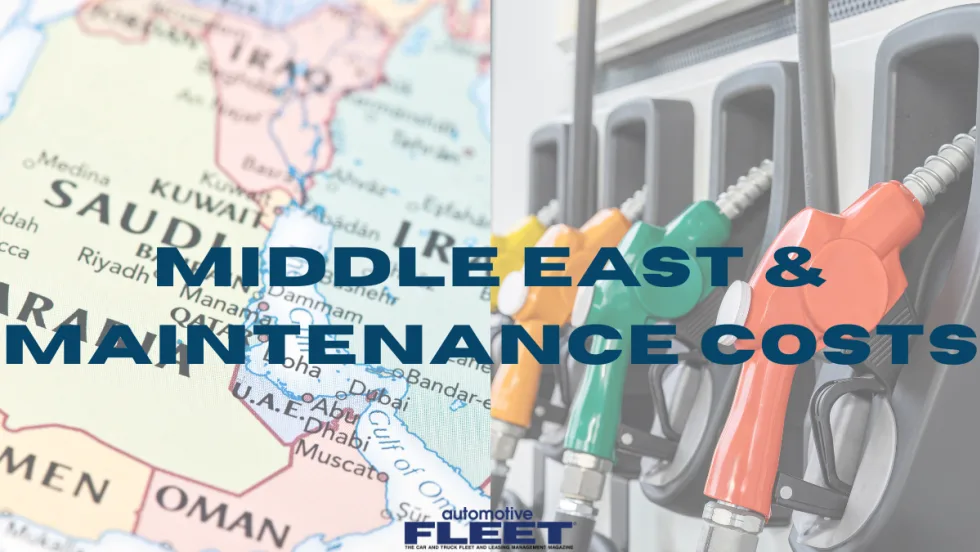
Fuel is Just the Start: How Middle East Tensions are Driving Up Fleet Maintenance Costs
The Middle East conflict is doing more than pushing up fuel prices. It’s also raising the cost of key maintenance products your fleet depends on, from motor oil to tires to windshield wipers. Here’s what you need to know about this budget-busting situation.
Read More →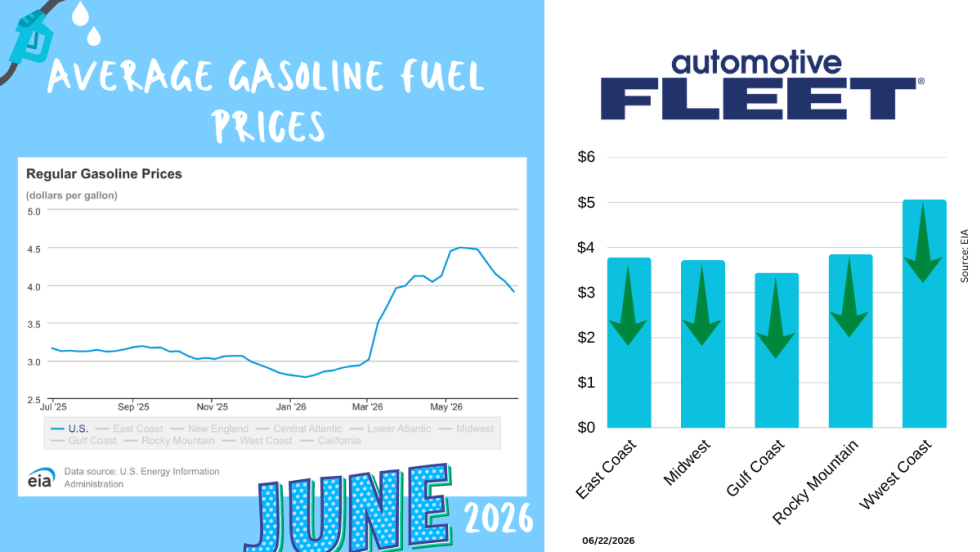
June Fuel Update: Prices Fall Below $4
Drivers are finally getting some relief at the pump. The national average gas price has dropped below $4 a gallon for the first time in months, with prices falling in 47 states as oil markets react to developments in U.S.-Iran negotiations.
Read More →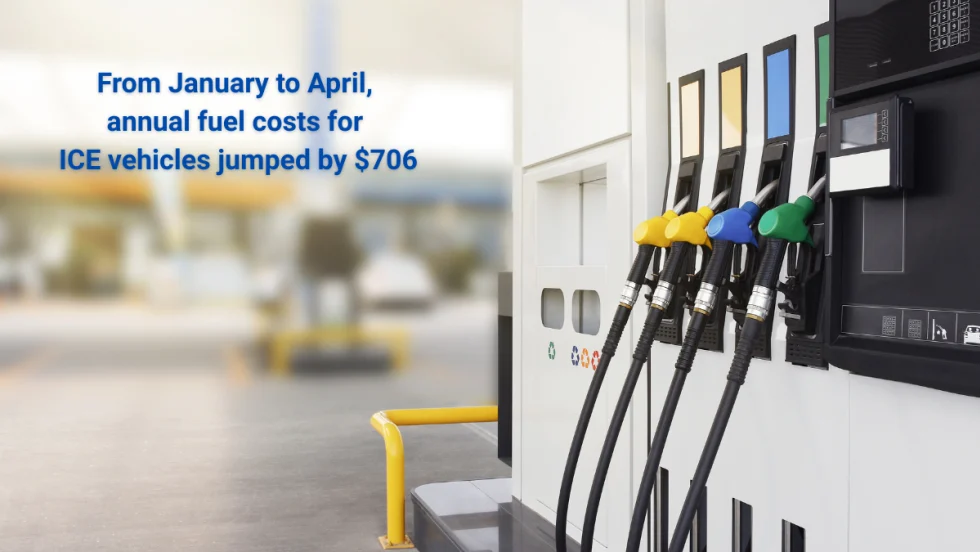
Study: How 2026's Gas Price Hikes Affect Different Vehicle Types
New data from iSeeCars reveals how rising fuel costs have affected different vehicle segments as gasoline prices climbed nearly 46% over the past four months.
Read More →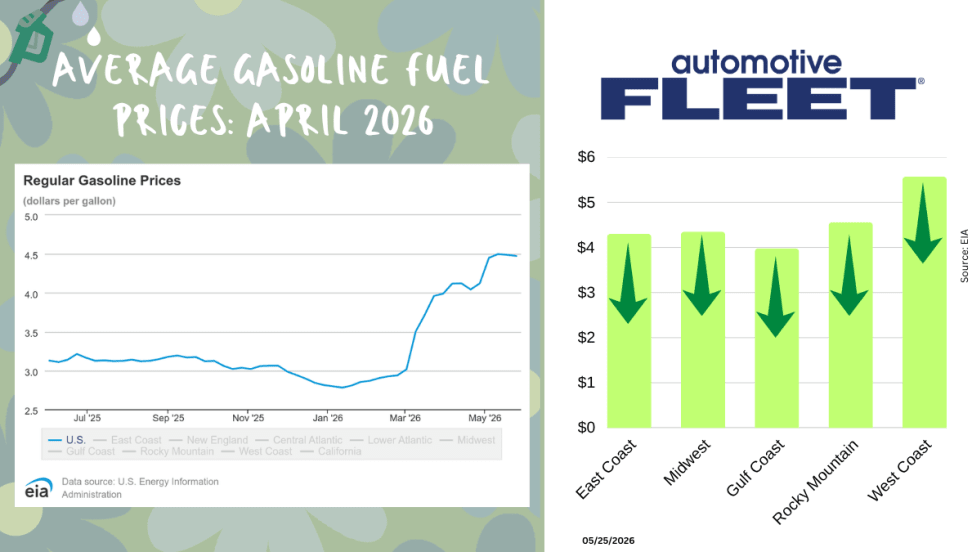
May Fuel Update: All Regions Experience Declines
Gas prices are finally easing in much of the country, but experts warn global tensions could quickly reverse the trend as the national average remains well above last month’s levels.
Read More →