




MIT Study Says Vehicle Weight Canceled Fuel Economy Gains Between 1980 and 2006
CAMBRIDGE, MA - Knittel found that between 1980 and 2006, the average gas mileage of vehicles sold in the United States increased by slightly more than 15%. During that same period, though, average curb weight of those vehicles increased 26%.
CAMBRIDGE, MA – A study by MIT economist Christopher Knittel found that although the automakers were able to improve the fuel efficiency of their vehicles’ engines between 1980 and 2006, increased vehicle weight led to stagnation of mpg numbers during that period. Knittel conducted his study by using data from NHTSA, auto manufacturers, and trade journals.
Knittel found that between 1980 and 2006, the average gas mileage of vehicles sold in the United States increased by slightly more than 15%. During that same period, though, average curb weight of those vehicles increased 26%, and average horsepower rose 107%. All factors being equal, fuel economy actually went up by 60% during that period.
MIT’s report said that if Americans today were driving cars of the same size and power that were typical in 1980, average mpg would be 37 rather than the current average of 27.
“Most of that technological progress has gone into [compensating for] weight and horsepower,” Knittel said.
In addition, the vehicle types available also affected fuel economy. In 1980, light trucks represented about 20% of passenger vehicles sold in the U.S., according to the study. By 2004, light trucks and SUVs made up 51% of passenger-vehicle sales.
“I find little fault with the auto manufacturers, because there has been no incentive to put technologies into overall fuel economy,” Knittel said. “Firms are going to give consumers what they want, and if gas prices are low, consumers are going to want big, fast cars.”
Knittel noted that between 1980 and 2004, gas prices dropped by 30% when adjusted for inflation.
Knittel’s study found that the automakers could meet the new CAFE standards by maintaining the rate of technological innovation experienced since 1980 while reducing the weight and horsepower of the average vehicle sold by 25%. He also said that reducing vehicle weight and power to that of the average seen in 1980, along with continuing the trend of improving fuel economy, would lead to a fleet-wide average of 52 mpg by 2020.
Despite these conclusions, Knittel said he’s skeptical that CAFE standards alone would have as great an impact as a gas tax. He said mileage regulations “end up reducing the cost of driving. If you force people to buy more fuel-efficient cars through CAFE standards, you actually get what’s called ‘rebound,’ and they drive more than they would have.” He said a gas tax would produce less of a “rebound” effect.
More Fuel

Turning Fleet Payment Data into Executive Insights
Ramel Lindsay of U.S. Bank Voyager discusses how fleets can transform payment and transaction data into actionable intelligence to reduce costs, improve oversight, and support executive decision-making.
Read More →
Why the IRS Raised Its Mileage Rate in the Middle of 2026
Fuel-price volatility drove the rare increase to 76 cents per mile, the fifth midyear adjustment since 2000.
Read More →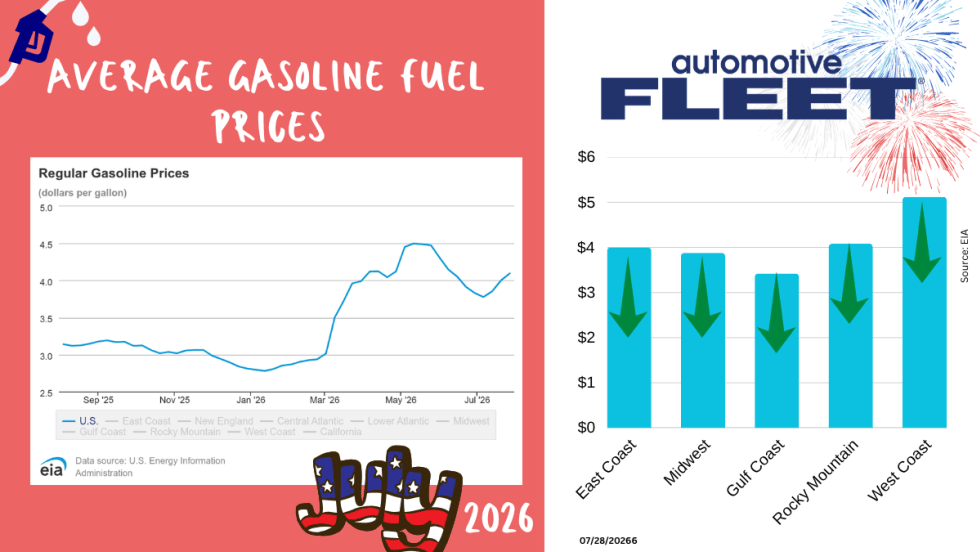
July Fuel Update: Prices Keep Rising in Light of More Conflict
Gas prices continue to rise as more and more conflicts do, too.
Read More →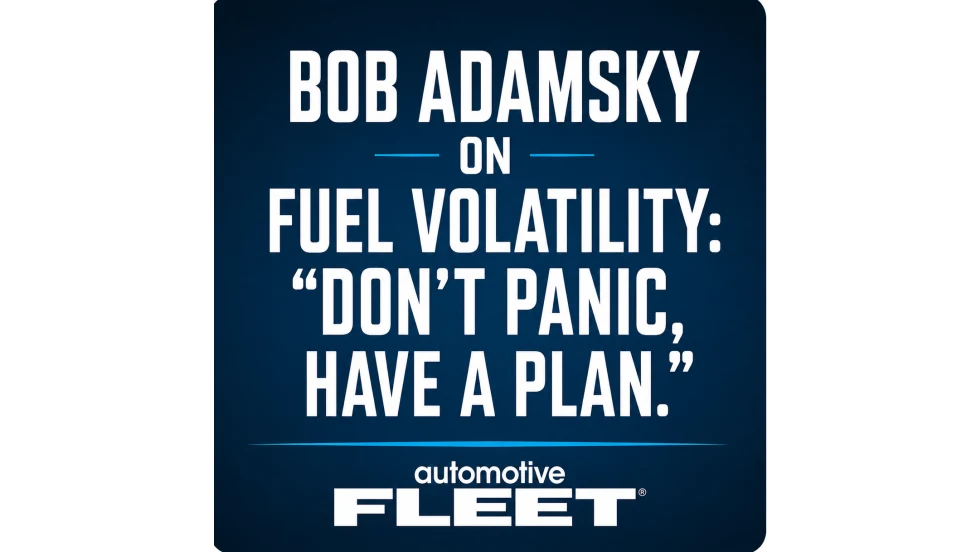
Bob Adamsky on Fuel Volatility: "Don't Panic, Have a Plan."
When it comes to up and down fuel prices, Adamsky has a message for fleets: “Don’t panic.”
Read More →
How Fleets Can Gain Control of Non-Fuel Spend
Fuel often gets the spotlight, but non-fuel expenses can have a major impact on fleet costs. Ramel Lindsay of U.S. Bank Voyager discusses how fleets can gain better visibility and control over these often-overlooked expenditures.
Read More →
Fuel is Just the Start: How Middle East Tensions are Driving Up Fleet Maintenance Costs
The Middle East conflict is doing more than pushing up fuel prices. It’s also raising the cost of key maintenance products your fleet depends on, from motor oil to tires to windshield wipers. Here’s what you need to know about this budget-busting situation.
Read More →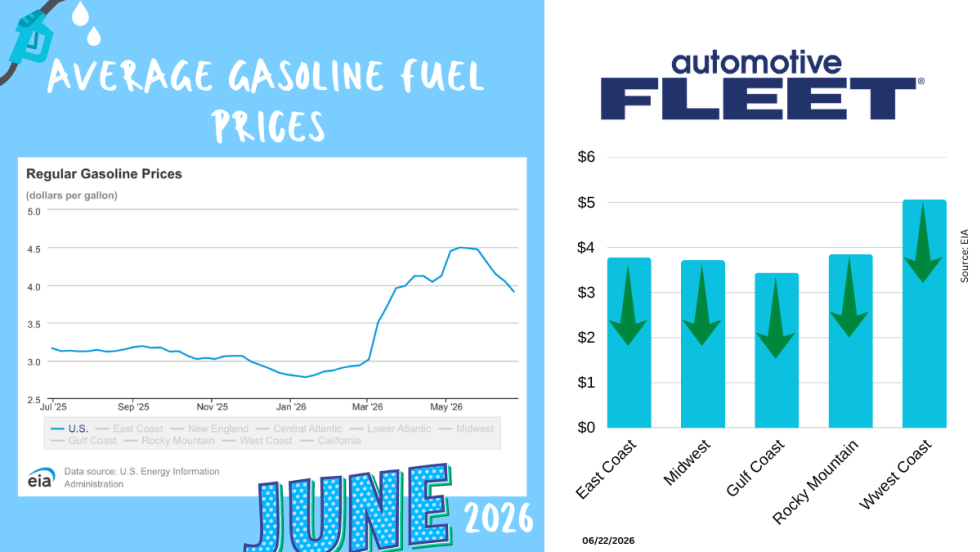
June Fuel Update: Prices Fall Below $4
Drivers are finally getting some relief at the pump. The national average gas price has dropped below $4 a gallon for the first time in months, with prices falling in 47 states as oil markets react to developments in U.S.-Iran negotiations.
Read More →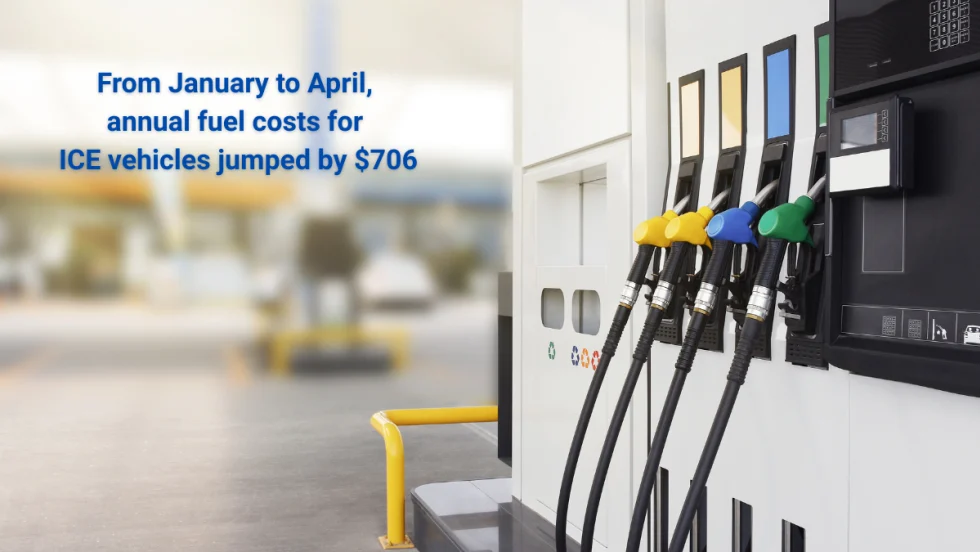
Study: How 2026's Gas Price Hikes Affect Different Vehicle Types
New data from iSeeCars reveals how rising fuel costs have affected different vehicle segments as gasoline prices climbed nearly 46% over the past four months.
Read More →
Are You Tracking Your Fleet's True Total Cost of Ownership?
Bobit Business Media surveyed 190 fleet professionals and found that while most fleets are tracking costs, fragmented systems and data gaps are keeping true TCO visibility out of reach. With rising pressure to control spend in an increasingly volatile environment, the gap between what fleets think they know and what the data actually shows is wider than you might expect. See how your peers are managing costs today and where the industry still has room to improve.
Read More →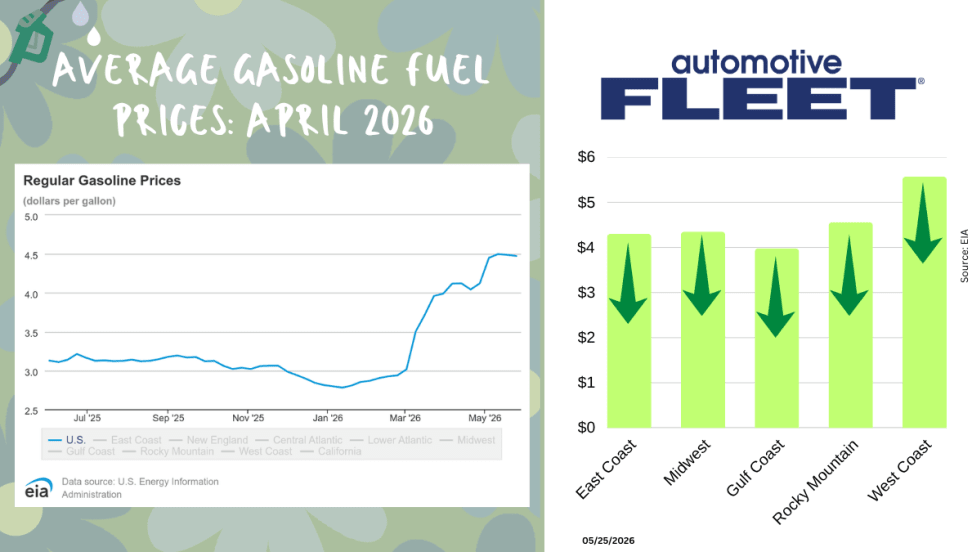
May Fuel Update: All Regions Experience Declines
Gas prices are finally easing in much of the country, but experts warn global tensions could quickly reverse the trend as the national average remains well above last month’s levels.
Read More →