




Analyzing Fleet Fuel Cards
First, determine if your fleet could benefit by utilizing a fleet fuel card provider. Then, analyze your company’s fleet to determine its needs. Finally, start asking the right questions.

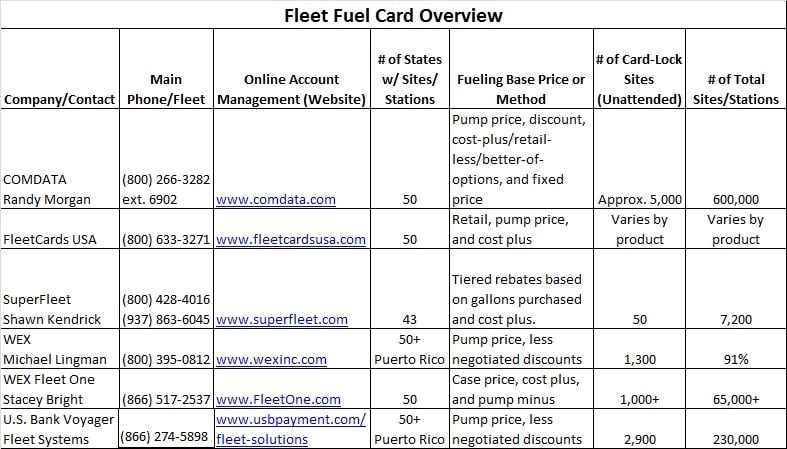
Making the decision to utilize a fuel card goes beyond simply selecting a provider. A fleet manager must determine that a fleet card is needed. Once that decision has been made, you need to analyze the fuel card providers and select the program or provider that best meets the fleet’s needs.
Not all fleets may find a fuel card necessary; however, they can enable a fleet manager to gain greater control over a driver’s purchases and fleet fuel expenses.
First, a fleet manager must consider the control they need to have over their fleet. Next, review the fleet’s current vehicle fueling needs. Finally, determine if your fleet requires wide acceptance and what programs will be most important to your fleet.
Analyzing the Fleet Before Fuel Card Options
One of the most frequently cited steps that fleet managers must take in analyzing whether or not a fuel card is best for a specific fleet is analyzing the fleet itself.
So, before selecting a fuel card, savvy fleet managers should be sure they know exactly what needs/requirements the fleet will have and what benefits they expect.
Knowing the answers to the following questions will ensure that the best option is selected:
What distance will drivers travel?
Will all drivers require a fuel card?
Is the fleet centralized or de-centralized?
Will the cost savings realized in the price difference between retail vs. onsite offset the risk and cost of owning and maintaining an onsite operation?
What level of security does the fleet need or anticipate?
Which asset is more important to track — driver/personnel or the vehicle?
Which provider offers the easiest method to exercise the spending limits the company needs?
Does the fleet manager plan to limit fuel purchases? Cash advances? Miscellaneous purchases such as maintenance or in-store items?
What performance metrics does the fleet want to achieve by using a retail fleet fueling card? Compare each card to this set of metrics.
Where will the drivers travel in relation to where the cards are accepted?
Determining the Best Provider
While fleets may share similarities, i.e., pharmaceutical fleets will mostly rely on sedans, construction fleets on pickup trucks, etc., even within an industry segment, fleets were not created equally. Therefore, what may work perfect for one fleet, may not be the best option for another.
A key step to selecting a fleet card provider is to formally ask for a document that details the provider’s site acceptance, card controls, online functionality, card assignment flexibility, and customer service commitment. You can then compare this information to the needs of your specific fleet.
To start reviewing fuel card providers, check the basic features included that don’t require an additional cost.
For example, some fuel card providers only offer Level I or Level II data, which only provides basic information on a transaction such as a time stamp and location of purchase; however, if further analysis and detail is needed, you may need to locate a provider that offers Level III data as a basic feature, which adds more detail to the transaction.
Once the basic features are established, a fleet manager must decide which additional unique features are needed to succeed and whether that provider offers them. These features could include the amount of fuel site acceptance needed or connection to a proprietary network for useful insights.
Finally, in choosing the best fuel card provider, the fleet manager must ultimately trust the provider and be able to customize a solution to best fit the fleet manager’s goals for success at the initial onboarding and throughout the relationship.
Once you have a complete picture of what your fleet needs from a fuel card provider and program, the next step is to interview each card provider to ensure they are a good fit, not only for meeting the performance metrics, but also for relationship and culture fit. Also, ask for referrals and call around for the rest of the story.
Get Involved & Ask Questions
To help fleet managers get started, the fuel card experts provided a few questions to ask fleet fuel card providers during the initial interview:
How will implementation of a fleet fuel card affect my current fueling operation?
What does the provider feel the overall value of a fuel management program is?
Can my department run more efficiently by implementing a fuel management program?
What is the cost vs. benefit? Fleet managers should be looking at the ROI in moving to a fuel management program vs. having employees manage it.
Do you offer an online account management system?
What type of technology is available?
What new technology is being used to help monitor a fleet?
What are the constraints, if any, with the fuel card data interface with the fleet’s management software?
Is the company who is introducing the fuel management solution a turnkey provider? In other words, is this company capable of handling all of my fuel management needs?
What percentage of your merchant locations capture enhanced Level III data such as product description, total units (gallons), price per unit (gallon), odometer input, & PIN or Driver ID? List the data elements that your card captures.
What are the types of authorization controls available by type of card and percentage compliance by retail merchants? For example, are there controls on product type, total dollar spend, total authorizations/transactions, time of day, day of week, specific location restrictions, ZIP codes, Merchant Category Codes (MCC) or states? How do they work?
What type of real-time reports do you have and what are they?
Does your fleet fuel card system provide purchase alerts? How does that system work? What types of alerts are possible?
Does the card include a proprietary network?
Are purchase controls set at the product or merchant levels?
How extensive is the card’s fuel station acceptance?
Is there a way to customize the fuel card for a specific need?
Is there 24-hour customer service with a “live” person for support?
What happens when a driver is denied access to fuel or maintenance at a location? Do the authorization limits and controls provide flexibility for driver mistakes and errors while attempting to fuel?
In the event of emergencies, such as a storm response, does your system allow for temporary override capabilities? How does this specifically work, and how is it turned off?
More Fuel

Turning Fleet Payment Data into Executive Insights
Ramel Lindsay of U.S. Bank Voyager discusses how fleets can transform payment and transaction data into actionable intelligence to reduce costs, improve oversight, and support executive decision-making.
Read More →
Why the IRS Raised Its Mileage Rate in the Middle of 2026
Fuel-price volatility drove the rare increase to 76 cents per mile, the fifth midyear adjustment since 2000.
Read More →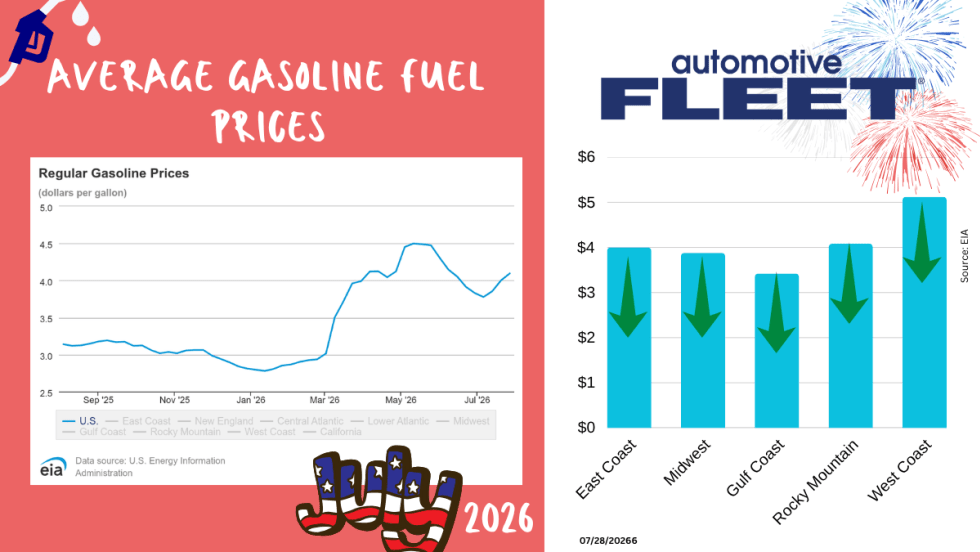
July Fuel Update: Prices Keep Rising in Light of More Conflict
Gas prices continue to rise as more and more conflicts do, too.
Read More →
Bob Adamsky on Fuel Volatility: "Don't Panic, Have a Plan."
When it comes to up and down fuel prices, Adamsky has a message for fleets: “Don’t panic.”
Read More →
How Fleets Can Gain Control of Non-Fuel Spend
Fuel often gets the spotlight, but non-fuel expenses can have a major impact on fleet costs. Ramel Lindsay of U.S. Bank Voyager discusses how fleets can gain better visibility and control over these often-overlooked expenditures.
Read More →
Fuel is Just the Start: How Middle East Tensions are Driving Up Fleet Maintenance Costs
The Middle East conflict is doing more than pushing up fuel prices. It’s also raising the cost of key maintenance products your fleet depends on, from motor oil to tires to windshield wipers. Here’s what you need to know about this budget-busting situation.
Read More →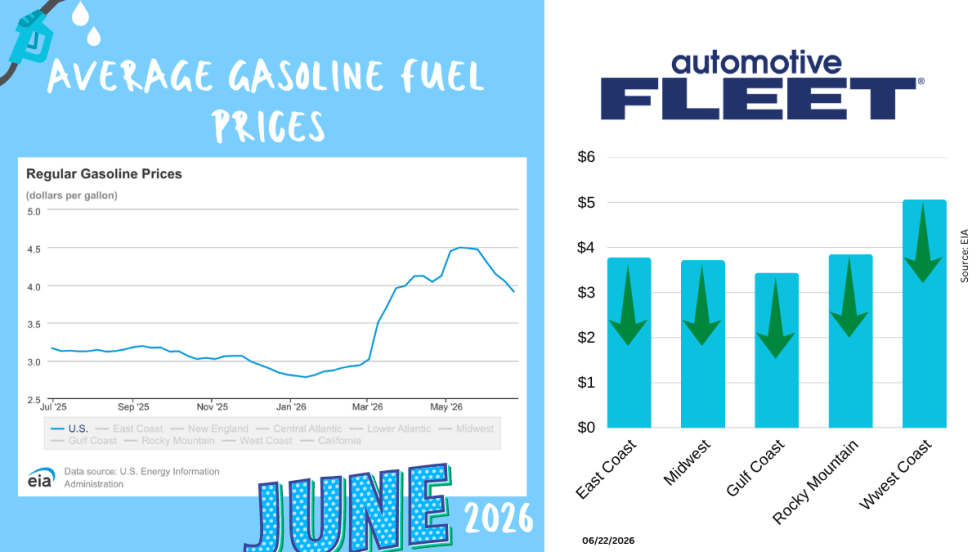
June Fuel Update: Prices Fall Below $4
Drivers are finally getting some relief at the pump. The national average gas price has dropped below $4 a gallon for the first time in months, with prices falling in 47 states as oil markets react to developments in U.S.-Iran negotiations.
Read More →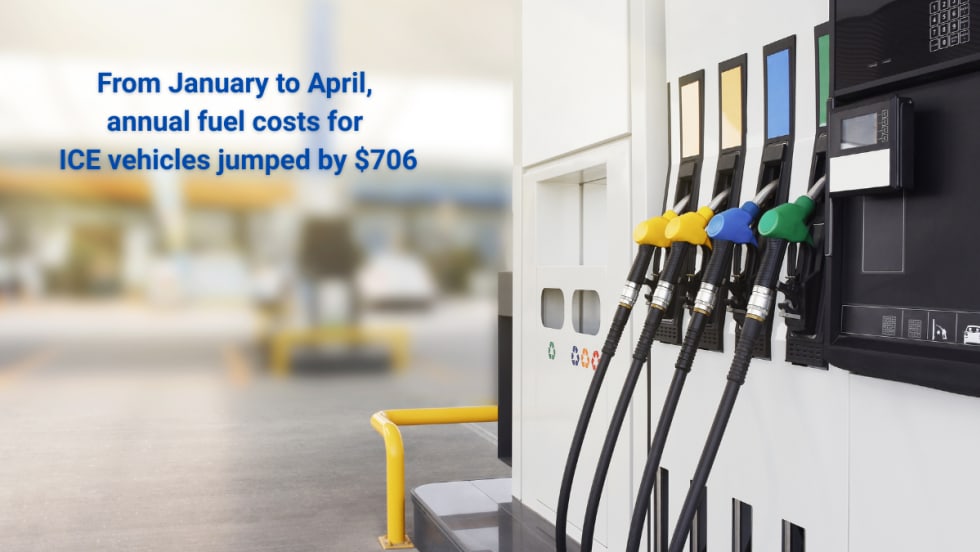
Study: How 2026's Gas Price Hikes Affect Different Vehicle Types
New data from iSeeCars reveals how rising fuel costs have affected different vehicle segments as gasoline prices climbed nearly 46% over the past four months.
Read More →
Are You Tracking Your Fleet's True Total Cost of Ownership?
Bobit Business Media surveyed 190 fleet professionals and found that while most fleets are tracking costs, fragmented systems and data gaps are keeping true TCO visibility out of reach. With rising pressure to control spend in an increasingly volatile environment, the gap between what fleets think they know and what the data actually shows is wider than you might expect. See how your peers are managing costs today and where the industry still has room to improve.
Read More →
May Fuel Update: All Regions Experience Declines
Gas prices are finally easing in much of the country, but experts warn global tensions could quickly reverse the trend as the national average remains well above last month’s levels.
Read More →