




The Danger of Lower Fuel Prices
The recent drop in fuel prices has been as breathtaking as earlier run-up in prices. If sustained, these reduced fuel prices will begin to make a dent in overall fleet fuel expenditures.

The recent drop in fuel prices has been as breathtaking as the earlier run-up in prices. If sustained, these reduced fuel prices will begin to make a dent in overall fleet fuel expenditures. However, there is the risk that lower prices may bring about driver complacency. A large part of fleet fuel expense is controlled by drivers. Many of the hard-won increases in fleet mpg can be negated by drivers reverting to less fuel-efficient driving behaviors.
As fleet managers, we need to ensure drivers remain energy conscious. Similar to turning off lights in unoccupied rooms at home, drivers should continue to practice energy conservation habits in their vehicles. An ongoing driver awareness program is needed to make them aware of how much excessive idling, aggressive driving behavior, and improper tire pressure affect mpg and your company’s carbon footprint.
Here are some suggestions on how to ensure drivers don’t become complacent and revert to “fuelish” driving behaviors:
Launch a Driver Communication Program: Fleet managers should employ all corporate communication channels at their disposal to increase driver awareness about how their actions can increase or decrease fleet costs. It is important to continually communicate (and re-communicate) to your driving population that their driving behavior is a major influence on fuel consumption or conservation. Communicate ways to maximize fuel economy using different mediums such as hard copy handouts, e-mails, and Web links. Use your internal fleet website to document this information and provide links to other sites, such as www.fueleconomy.gov.
Create a Campaign to Eliminate Unnecessary Idling: Instruct drivers to turn off the engine whenever possible and avoid long idling periods. An idling engine gets zero miles per gallon. Not only does prolonged idling waste fuel, it also creates unnecessary emissions. However, you need to exercise caution with anti-idling programs. Turning off the engine may disable safety features, such as airbags. Drivers should be advised to utilize this strategy only in situations with no possibility of collision.
Maintain Proper Tire Inflation: One underinflated tire can cut fuel economy by 2-percent per pound of pressure below the proper inflation level. One out of four drivers, on average, drive vehicles with one or more underinflated tires. When a tire is underinflated by 4 to 5 psi below the manufacturer's recommended tire pressure, vehicle fuel consumption increases by 10 percent and, over time, causes a 15-percent reduction in tire tread life.
Keep Trunks Clean: Cars, like cargo trucks, get much better mileage when not loaded with unnecessary weight. Every 200 pounds of additional weight trims one mile off fuel efficiency. Most drivers accumulate material in their trunks, much of it unnecessary. Instruct drivers to remove all unnecessary items from the trunk, such as unneeded tools or materials.
Encourage Drivers to be Price Conscious when Refueling: Fleets need to encourage drivers to continue to be “price sensitive” when refueling, even if prices are lower than normal. Encourage drivers to look for the best net fuel pricing to maximize the benefits of today’s lower fuel prices.
Monitor Fuel Exception Reports: One of the most effective ways to maximize fuel economy is to pay increased attention to fuel management exception reports. For instance, very few vehicles actually need premium fuel. By restricting and enforcing rules on buying regular fuel, most fleets can save as much as 10 cents per gallon or more.
Monitor Personal Use: Fleets must remain diligent about monitoring personal use, and ensure that it is not under-reported. Most fleet managers are surprised at how much fuel is used “moving your brother-in-law” with the company van on the weekend.
Carpooling: Encourage drivers to carpool when they know they will be in the office all day for meetings or catching up on paperwork.
Drive the Speed Limit: Driving fast wastes gas. Traveling at 65 mph uses from 10 to15 percent more fuel than driving at 55 mph. By adhering to speed limits, a driver will conserve fuel. Also, use cruise control during highway driving. Unnecessary changes in speed are wasteful, and the use of cruise control helps improve fuel economy.
Avoid “Jackrabbit” Starts and Stops: A vehicle consumes extra fuel when accelerating. To maximize fuel economy, drivers need to examine their driving habits. Simply limiting acceleration and fast braking can increase fuel economy.
Avoid Aggressive Driving: The largest fuel consumption occurs during aggressive driving. Time studies show that fast starts, weaving in and out of traffic, and accelerating to and from a stop light doesn't save time, wastes fuel, and wears out components, such as brakes and tires, faster. Accordng to the U.S. EPA, drivers can save up to 20 percent in fuel economy by not driving aggressively.
Thwarting Driver Complacency
Small increases in mpg can result in substantial savings when extrapolated across the entire fleet. However, most organizations fail to consider the impact drivers have on vehicle fuel economy. Hard acceleration, idling, inconsistent speeds, excessive use of air conditioning, and hard braking are bad driver habits that can be corrected with driver training and/or education. According to the U.S. EPA, a driver can impact fuel efficiency as much as 33 percent. Your job during a time of lower fuel prices is to avoid the risk of driver complacency.
Let me know what you think.
mike.antich@bobit.com
More Blog Posts

Fleets Want Trust Restored with Suppliers
During this period of ongoing supply constraints, the trust that fleet managers had with OEMs, upfitters, and dealers has been strained. Fleet managers say they have had too many experiences over the past three years coping with erroneous information, adjusting to multiple price increases, and feeling betrayed by inadequate transparency from suppliers.
Read More →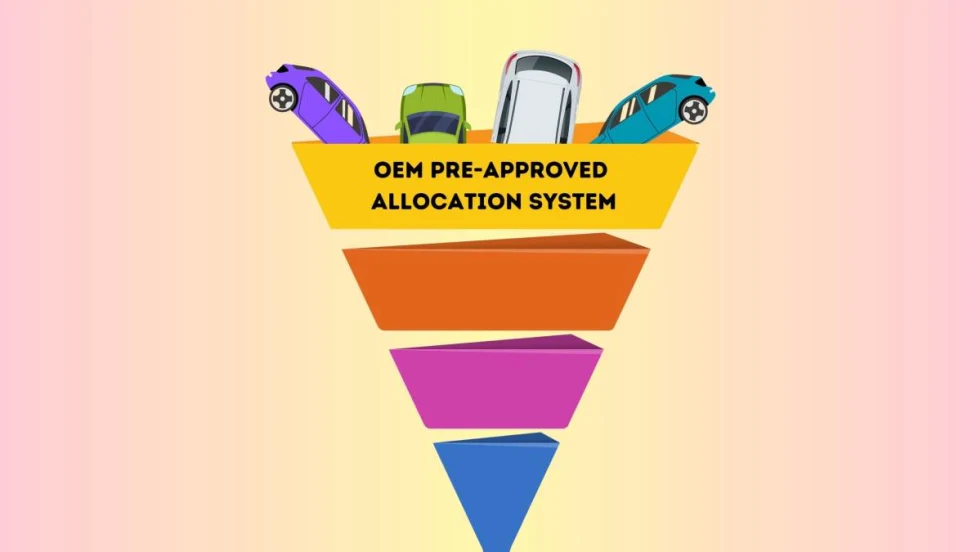
Scheduled Replacement Cycles Are Becoming a Distant Memory
The ongoing difficulty in sourcing replacement vehicles is forcing companies to extend the service lives of vehicles that are unable to be replaced, which, inevitably, increases unscheduled maintenance expenses.
Read More →
Fleet Simplification is the Antidote to Asset Variability
Fleet simplification identifies asset functions to uncover commonality among the equipment and assets. Simplification increases operational efficiency as end-users become accustomed to the controls, displays, and operation of less diverse units.
Read More →
The Dangers of Static Fleet Policies
A fleet policy is a living document, flexible enough to adapt to evolving business priorities, developing industry trends, and changing industry best practices and standards.
Read More →
Short-Term vs. Long-Term Cost Reductions
Corporate procurement staff are often driven by short-term, immediate cost reductions. However, a longer perspective to soft cost savings is critical because fixating on short-term results will hurt a company in the long run.
Read More →
Uptick in Unscheduled Maintenance Increasing Vehicle Downtime
Fleet data analysis can identify recurring downtime issues. It’s important to determine the root causes of downtime so procedures can be developed to minimize such problems.
Read More →
Eliminate Needless Curb Weight to Maximize ICE & EV Efficiencies
Vehicle weight relates directly to fuel economy. In today’s era of electrification, there is also a direct correlation between vehicle weight and battery range.
Read More →
Tech Dependence Risks Dumbing Down Fleet Manager Expertise
The line between creative thinking and problem solving and doing what the data indicates is thin. To lead in fleet management, you need to balance understanding the fundamentals and embracing what smart technology offers.
Read More →
Leverage the Synergy of Safe Driving to Achieve Sustainability and Cost Goals
Safe driving, emission reductions, and cost containment can all be achieved at the same time.
Read More →
The Playbook for Fleet Manager Success
There are many paths to success — most of them involve being flexible, open-minded, and willing to learn.
Read More →