




Related: Subaru's 2017 Outback, Legacy Offer Reverse Auto Braking
Subaru's Rear Automatic Braking System
The Subaru Outback returns for the 2017 model year with a feature that could help fleets reduce the risk of low speed collisions that occur while the driver is backing up the vehicle.

Paul Clinton・Former Senior Web Editor
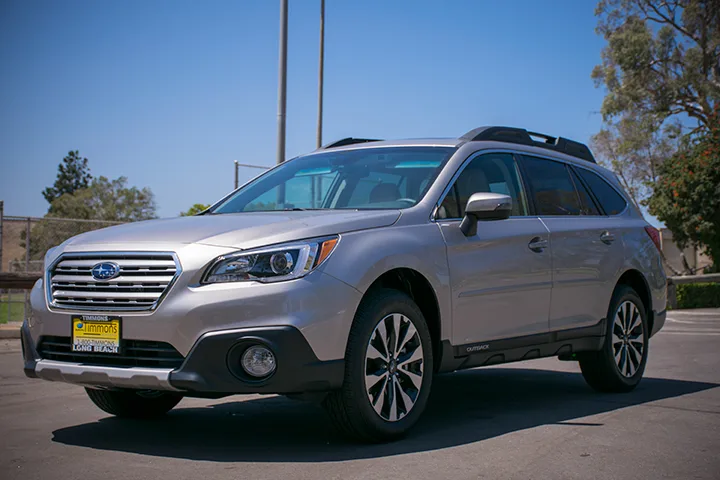
Photo by Vince Taroc.
2 min to read
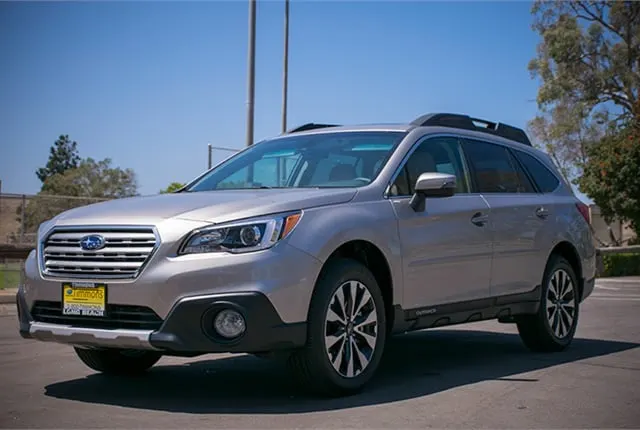
Photo by Vince Taroc.
The Subaru Outback returns for the 2017 model year with a feature that could help fleets reduce the risk of low speed collisions that occur while the driver is backing up the vehicle.
The Outback, and several other 2017 Subaru vehicles, can now be equipped with Reverse Automatic Braking, an enhancement to the EyeSight safety and driver-assisting system. We're familiar with forward automatic braking systems — also known as collision avoidance systems — that can brake or steer the vehicle to avoid or lessen the impact of an imminent collision.
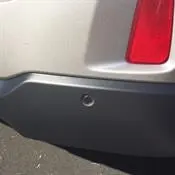
Photo by Paul Clinton.
These systems use forward-facing sensors and calibrate speed and proximity to vehicles on the roadway ahead. This technology is widely credited to a team of engineers at Hughes Research Laboratories in Malibu, Calif., who first demonstrated a radar-based system in 1995. Early adopters of forward warning systems included the Lexus SC400 and Cadillac STS. Automakers have agreed to make forward automatic braking a standard feature by 2022.
OK, back to Subaru. Their new rear automatic braking system functions similarly to the forward systems, but at lower speeds. After testing it, I can attest that it would help combat distracted backing and add an extra layer of protection of smaller objects behind the vehicle such as children or lower walls and poles.
Here's how the system works. Rather than being radar based, the system is sonar based. It uses four small sensors mounted to the rear bumper that appear as 2-inch dots to the naked eye.
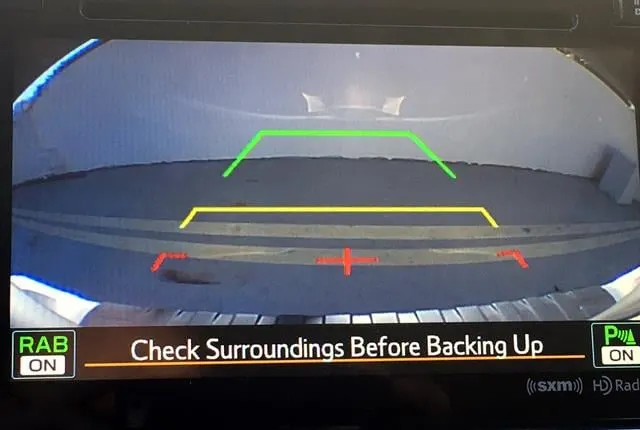
Photo by Paul Clinton.
You can tell the system is engaged, when you see "RAB On" displayed in the lower left corner of the dashboard display when you put the vehicle into reverse. This is coupled with the warning, "Check Surroundings Before Backing Up."
The sonar sensors begin detecting objects in a 5-foot field behind the vehicle and 6 inches outside the width of the rear end. The system operates when the vehicle is traveling up to 9 mph.
It provides progressive audible alerts at first, and then reduces engine power when a collision is imminent. If the driver fails to apply brakes, the system will panic-stop the vehicle, and informs the driver to apply brakes to keep the vehicle from rolling away. If the driver doesn't apply the brake, the vehicle will activate the electric parking brake.
The system will be cancelled if the driver presses the brake pedal or accelerator.
Subscribe to Our Newsletter
More Blog Posts

Fleet Review: 2026 Outback Is More SUV, Still an Outback
The redesigned Outback trades its station-wagon profile for a roomier, more conventional SUV shape while retaining the comfort and safety technology that give it fleet appeal.
Read More →
Why Should Fleets Choose the 2026 Mercedes-Benz GLC 300 SUV?
The GLC 300 offers corporate fleets attainable luxury, comfort, and practicality that transitions seamlessly to family duty.
Read More →
Fleet Review: Volvo EX90 & the Software-Defined Vehicle
Volvo’s new three-row electric SUV is designed for the corporate (and family) class.
Read More →
Fleet Review: Mercedes-Benz EQB 250+
With a reasonable entry point and the refinement of a Mercedes, The EQB 250+ defines “practical luxury” for fleets.
Read More →
Fleet Review: Volvo XC60 & XC90 PHEVs
Volvo’s XC60 and XC90 plug-in hybrid models are stylish, safe, sustainable — and surprisingly fast.
Read More →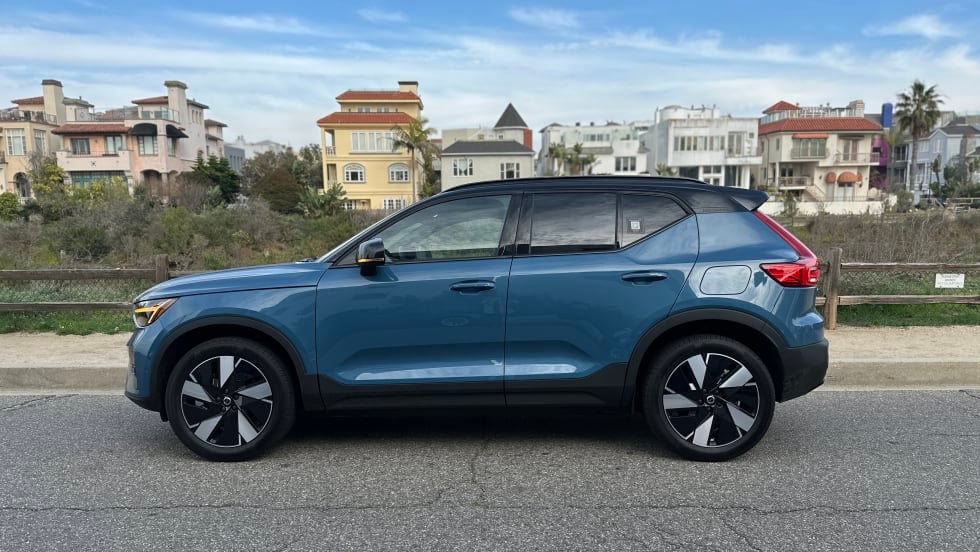
Fleet Review: Volvo XC40 Recharge
The Volvo XC40 Recharge offers fleets the familiar premium Volvo experience, electrified.
Read More →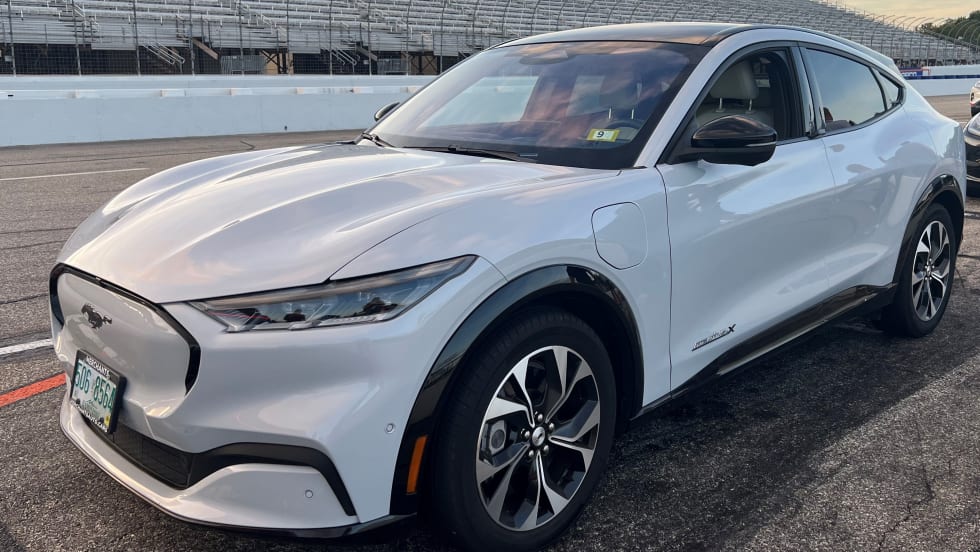
The 2023 Ford Mustang Mach-E Offers a Smooth Ride for New EV Drivers
A look at the bells and whistles on the car, plus how it drives, from the perspective of someone who’s never driven an EV.
Read More →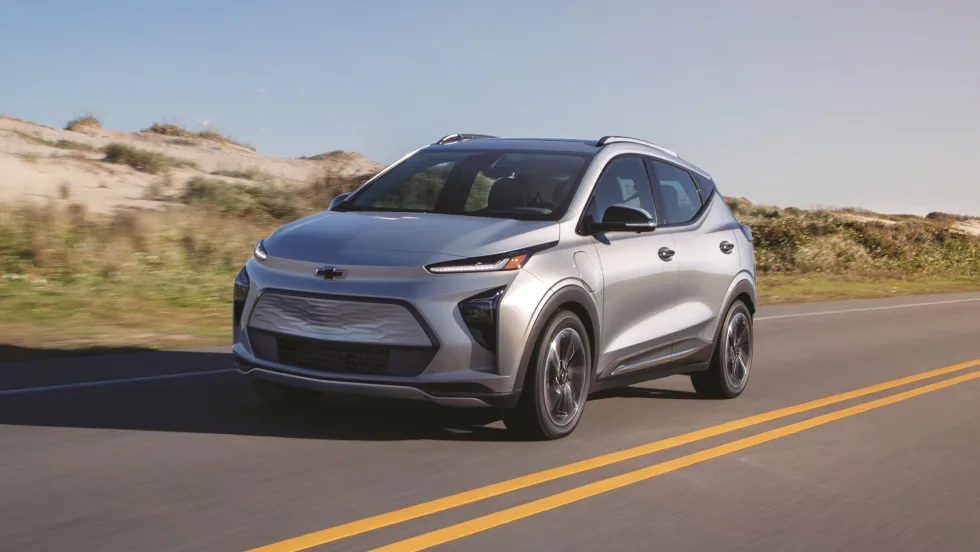
The 2022 Bolt EUV Lowers TCO While Meeting Sustainability Goals
The 2022 Bolt EUV expands Chevrolet’s EV lineup as a utility-type vehicle with a range of 250 miles on a full charge. It will be sold alongside the 2022 Bolt EV model. The Bolt EUV is approximately six inches longer than the Bolt EV.
Read More →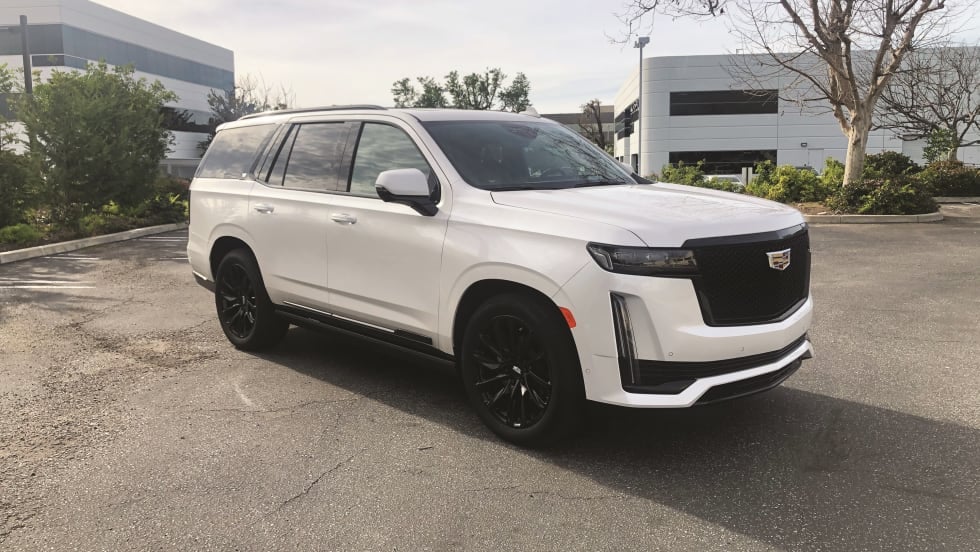
2021 Cadillac Escalade is C-Suite Material
The 2021 Cadillac Escalade 4WD Sport Platinum is the most expensive model sold by General Motors. But its brand cachet makes it the ideal pinnacle fleet vehicle to help retain high-value senior execs with a high-value luxury SUV.
Read More →
2021 GMC Yukon AT4 Excels as an Off-Road Crew Vehicle
Powered by a 5.3L V-8, generating 355 horsepower and 383 lb.-ft. of torque, the engine is paired to a10-speed automatic transmission. It is ideal for off-road work applications and can transport an eight-person work crew with tools and equipment.
Read More →