





Related: 2016 Lexus ES350 (driving notes)
2016 Lexus GS 200t F Sport
Overall, the 2016 Lexus GS 200t exudes “race enthusiast” rather than conservative executive vehicle, and achieves this on a budget — making it a counterpoint choice for fleets compared to others in its class.
July 1, 2016
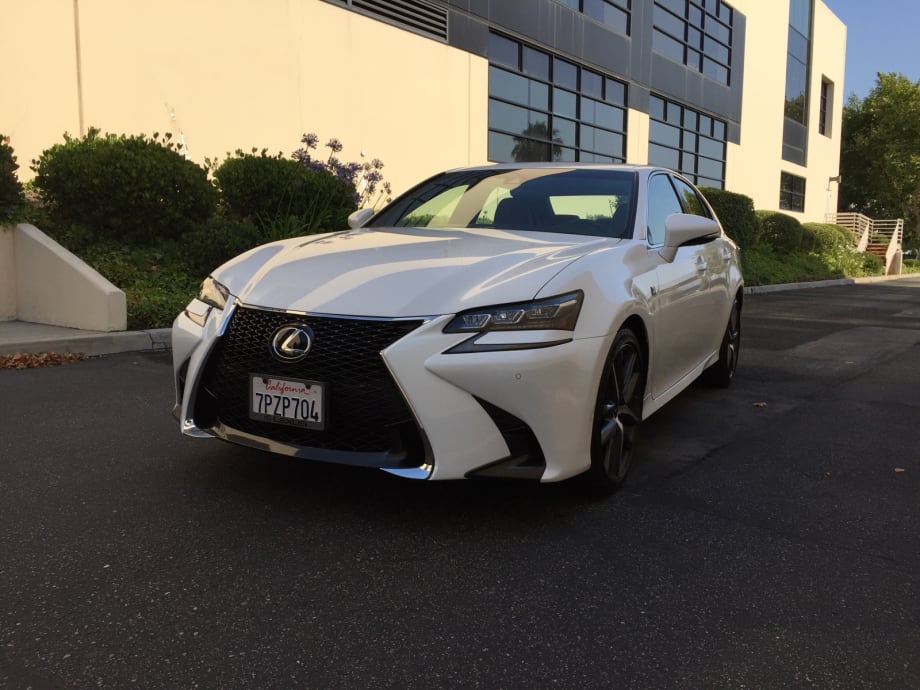
Photo by Vince Taroc.
3 min to read
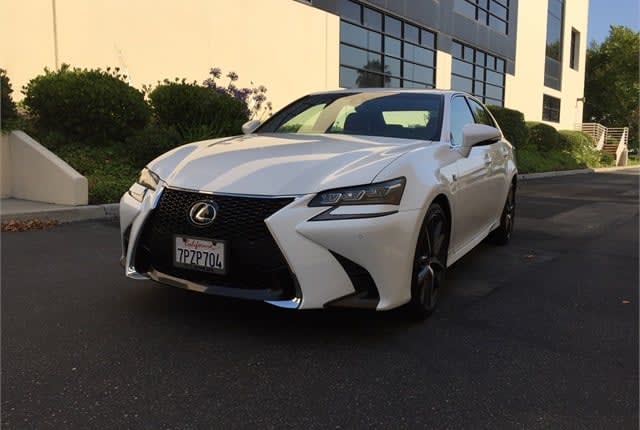
Photo by Vince Taroc.
When it comes to four-door sedans from Lexus, drivers have four series to choose from: IS, GS, ES, and top-of-the-line LS. The GS models slot between the IS and ES in terms of size and price, with a myriad of variations within the GS range. GS competitors in the segment include the Cadillac CTS, Audi A6, Mercedes-Benz E Class, and BMW 5-Series.
For the 2016 model year Lexus added one more variation to the GS lineup, the entry-level GS 200t, a rear-wheel drive (only) model that slots underneath the 350 and 450h (hybrid). The Lexus GS is first and foremost a midsize luxury sedan, though adding the F Sport package to any of the three models ups the performance a notch.
The GS 200t runs on a 2.0-liter turbocharged four-cylinder paired with an eight-speed automatic transmission, good for 241 hp and 258 lb.-ft. of torque. With the turbo four the GS 200t isn’t particularly fast, hitting 60 mph in 7.2 seconds, though that’s probably a good thing in any fleet application. Those seeking the adrenaline of the V-6 engine and its 311 hp will have to step up to the GS 350.
The EPA has not yet rated the GS 200t for fuel economy, though Toyota is publishing 22 mpg city and 33 hwy (26 combined) for the GS 200t and 20/30/24 with the F Sport package. In our F Sport tester we averaged 21.7 mpg in mostly city driving, though we primarily stayed in “Eco” drive mode.
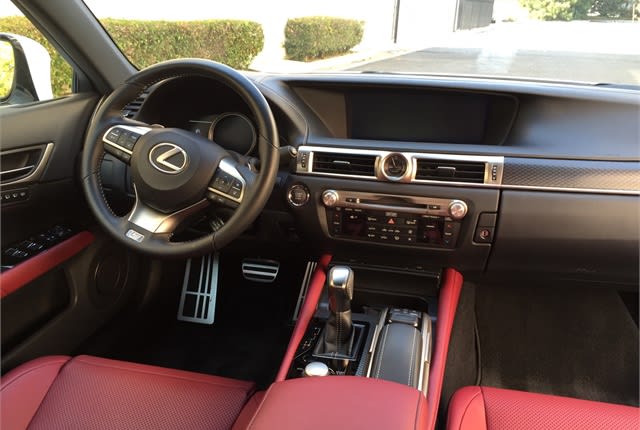
Photo by Vince Taroc.
Fleet users may consider the GS 200t as a mid-level executive driver or a reward vehicle for top sales performers for a few reasons: The base price of $45,615 MSRP compares favorably with others in the segment; the interior styling feels more upmarket than its class while delivering fleet-worthy front and rear legroom room and a large trunk. The exterior claims “sport” more than its competitors — indeed, Lexus’ signature spindle grille is an acquired taste — yet around back, the GS styling fits in with Toyota’s traditionally more staid cues.
We enjoyed the F Sport upgrades, including the “Naguri aluminum” trim and the Adaptive Variable Suspension, which makes it wicked fun to corner. Of course, the F Sport package would be a non-starter for fleets, adding $7,670 to the sticker for mostly style enhancements.
Fleets should consider, however, the Lexus Safety System + driver package, new for 2016. The package includes a suite of the latest driver assist technologies and alerts such as lane departure, steering assist, pre-collision, pedestrian detection, intelligent high beams, and radar-based cruise control. It listed for $1,795 on our Monroney window sticker, which feels like a value for what you get.
Overall, the Lexus GS 200t exudes “race enthusiast” rather than conservative executive vehicle, and achieves this on a budget — making it a counterpoint choice for fleets compared to others in its class.
Subscribe to Our Newsletter
More Blog Posts

Fleet Review: 2026 Outback Is More SUV, Still an Outback
The redesigned Outback trades its station-wagon profile for a roomier, more conventional SUV shape while retaining the comfort and safety technology that give it fleet appeal.
Read More →
Why Should Fleets Choose the 2026 Mercedes-Benz GLC 300 SUV?
The GLC 300 offers corporate fleets attainable luxury, comfort, and practicality that transitions seamlessly to family duty.
Read More →
Fleet Review: Volvo EX90 & the Software-Defined Vehicle
Volvo’s new three-row electric SUV is designed for the corporate (and family) class.
Read More →
Fleet Review: Mercedes-Benz EQB 250+
With a reasonable entry point and the refinement of a Mercedes, The EQB 250+ defines “practical luxury” for fleets.
Read More →
Fleet Review: Volvo XC60 & XC90 PHEVs
Volvo’s XC60 and XC90 plug-in hybrid models are stylish, safe, sustainable — and surprisingly fast.
Read More →
Fleet Review: Volvo XC40 Recharge
The Volvo XC40 Recharge offers fleets the familiar premium Volvo experience, electrified.
Read More →
The 2023 Ford Mustang Mach-E Offers a Smooth Ride for New EV Drivers
A look at the bells and whistles on the car, plus how it drives, from the perspective of someone who’s never driven an EV.
Read More →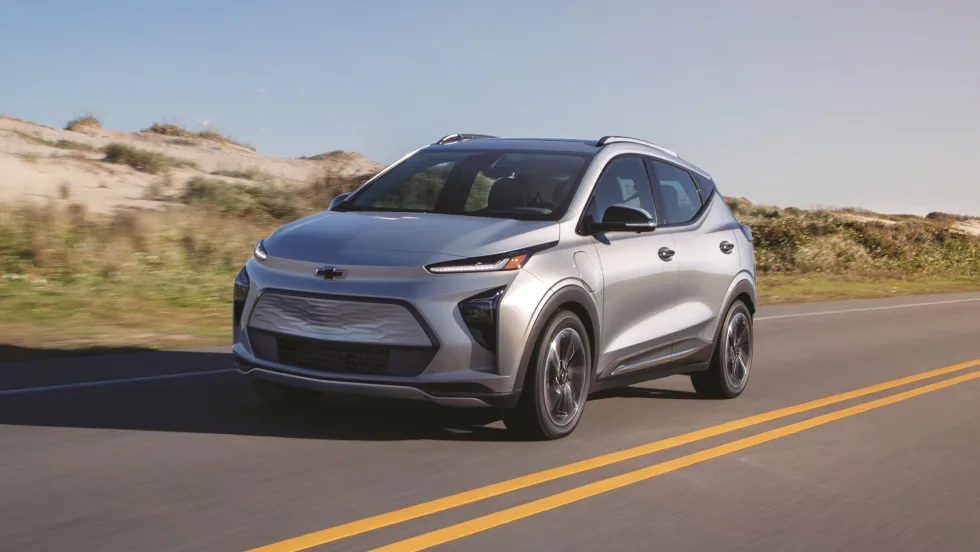
The 2022 Bolt EUV Lowers TCO While Meeting Sustainability Goals
The 2022 Bolt EUV expands Chevrolet’s EV lineup as a utility-type vehicle with a range of 250 miles on a full charge. It will be sold alongside the 2022 Bolt EV model. The Bolt EUV is approximately six inches longer than the Bolt EV.
Read More →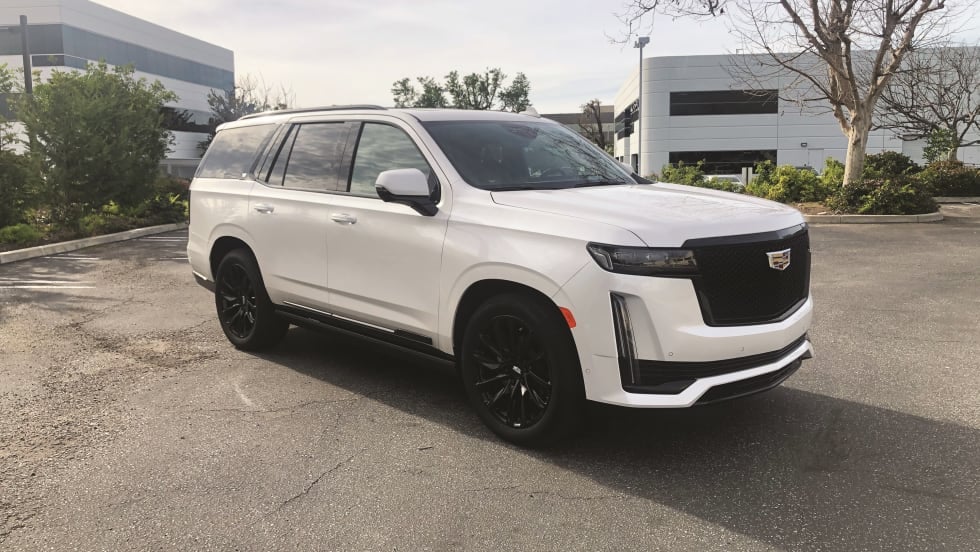
2021 Cadillac Escalade is C-Suite Material
The 2021 Cadillac Escalade 4WD Sport Platinum is the most expensive model sold by General Motors. But its brand cachet makes it the ideal pinnacle fleet vehicle to help retain high-value senior execs with a high-value luxury SUV.
Read More →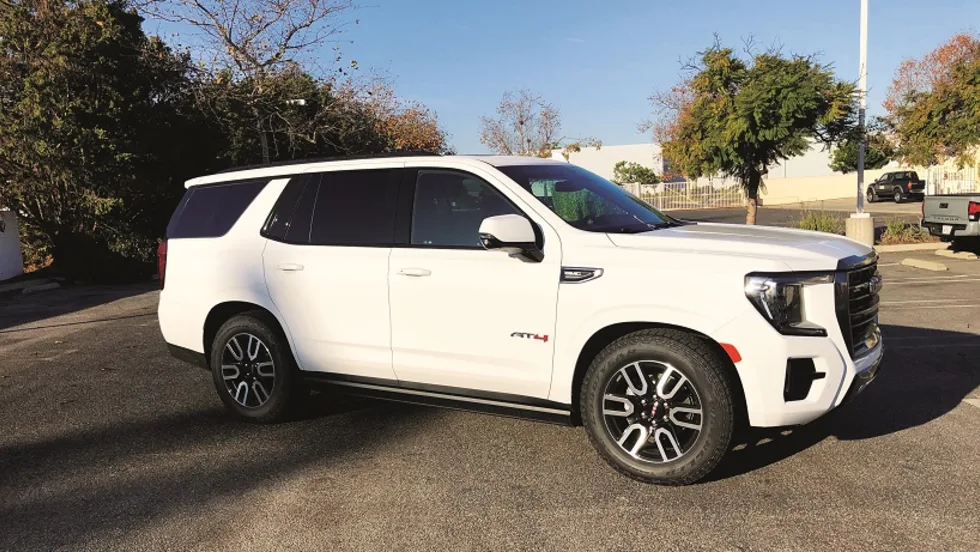
2021 GMC Yukon AT4 Excels as an Off-Road Crew Vehicle
Powered by a 5.3L V-8, generating 355 horsepower and 383 lb.-ft. of torque, the engine is paired to a10-speed automatic transmission. It is ideal for off-road work applications and can transport an eight-person work crew with tools and equipment.
Read More →