




Great Executives Empower Their Fleet Managers
Exceptional leadership by senior management means inspiring and motivating fleet managers to become great fleet managers. These executives delegate responsibility (and authority) to their fleet managers and empower them to accomplish self-determined tasks needed to achieve corporate goals. They recognize the fleet manager is the subject-matter expert and are open to the new ideas they present.

Congratulations to Maggie Cole, director of Environmental, Safety and Health for Monsanto, who was named the 2012 Fleet Executive of the Year by Fleet Financials magazine. (See the cover story in this issue.) Over the 11 years Fleet Financials has presented this award, exclusively sponsored by The CEI Group and DriverCare, I have observed a common denominator possessed by each year’s award winner. Namely, they all empower their fleet managers and recognize them as subject-matter experts.
A great fleet executive creates a vision, articulates the vision, and empowers their fleet manager to implement the strategies to achieve this vision. Exceptional leadership means inspiring and motivating fleet managers to become great fleet managers. To do so, a fleet executive must be a strategic thinker. They must have the ability to develop and communicate a strategic vision based on data analyses and total cost of ownership. A strategic fleet executive takes a long-term view of fleet and embraces long-term planning.
They are goal-driven and “big-picture” oriented. This trait requires being forward thinking. The strategic fleet executive has the ability to visualize emerging industry trends, and can visualize a plan of action before these changes negatively impact the corporate fleet. They are proactive instead of reactive.
Enabling fleet managers to expand their professional expertise and do their job without micromanaging is the mark of a leader. This is an important point, because being a leader is more about serving than being served. A true leader is a team builder, who coaches his or her fleet manager to achieve strategic goals by removing obstacles (or perceived road blocks) to success.
Goal-Oriented Fleet Management
Great fleet executives are innovative, think beyond the current fleet situation to anticipate future issues and opportunities, and are willing to let their fleet managers be proactive. Similarly, great fleet executives have an open mind. They recognize the fleet manager is the subject-matter expert and are open to the new ideas they present.
Conversely, these fleet executives are open to opposing perspectives and alternative ideas because they recognize that fleet and asset management have ever-changing dynamics.
These fleet executives are goal-oriented in all aspects of fleet management. Great fleet executives empower the fleet managers who report to them to develop and implement innovative initiatives to drive cost out of fleet operations and establish metrics to monitor performance. They gather input from their fleet manager and involve them when making fleet-related decisions. They create an environment that fosters self-motivation.
They monitor metrics developed by the fleet manager to benchmark driver productivity, vehicle downtime, and fleet utilization. Great fleet executives are committed to achieving results and empower their fleet managers to achieve these goals.
Good Delegators & Mentors
In the most fundamental sense, great fleet executives are simply good managers, who happen to have the fleet function report to them. Great fleet executives delegate responsibility (and authority) to their fleet managers and empower them to accomplish self-determined tasks needed to achieve corporate goals. Great fleet executives focus on strategic planning versus tactical implementation of fleet policies and procedures.
Another important trait of a great fleet executive is that they are a mentor to those who report to them. They encourage their fleet manager to regularly attend fleet management seminars and industry conferences to stay abreast of best practices. They, likewise, prod their fleet manager to be an active member of industry associations and volunteer to serve on committees and task forces.
A complementary trait of a great fleet executive is acting as a protector of all employees who come under their management umbrella. This feeling of security enables subordinates to become better at their jobs, to always be willing to learn new tasks and take on new projects, and allows them to make mistakes without fear of unjust repercussions. This trait enables the fleet executive to be empathetic. They understand the complexity and demands of a fleet manager’s job, while empathizing with the needs of employees who drive company vehicles.
Listening to Their Fleet Managers
Over the years, I have observed that all of the Fleet Executive of the Year award winners have a superb ability to communicate the ideas they conceptualize. They clearly articulate their thoughts to convey goals to their fleet managers. They build communication not only from the top down, but also from the bottom up. Each day, they “put on the fleet manager’s shoes” to better understand day-to-day fleet management and are cognizant of the support fleet managers need to accomplish corporate strategic goals. Not only does this trait involve effective communication, but it also requires effective listening. In the final analysis, a great fleet executive must be a good listener. They understand the value and the importance of listening to their fleet manager since they recognize that he or she is the true subject-matter expert.
Do you have what it takes to be a great fleet executive?
Let me know what you think.
mike.antich@bobit.com
More Blog Posts
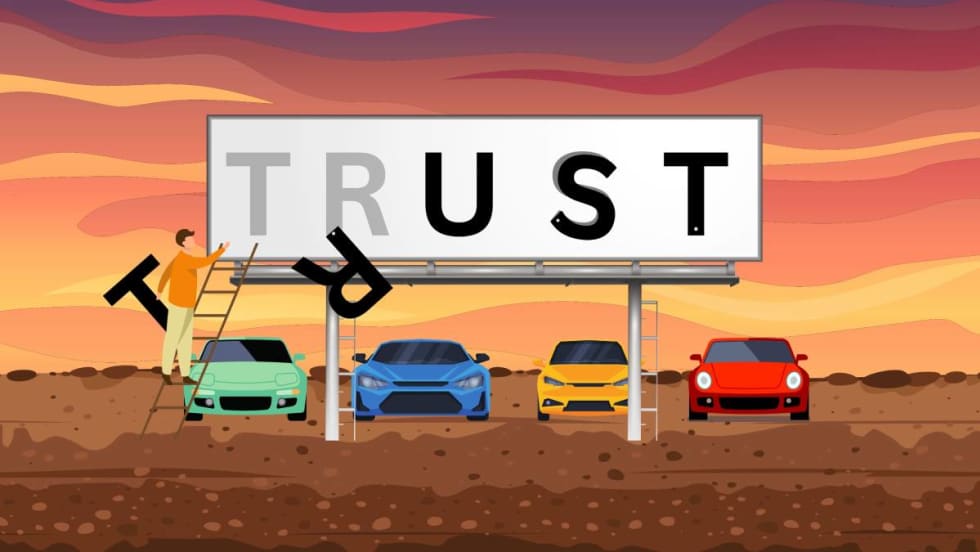
Fleets Want Trust Restored with Suppliers
During this period of ongoing supply constraints, the trust that fleet managers had with OEMs, upfitters, and dealers has been strained. Fleet managers say they have had too many experiences over the past three years coping with erroneous information, adjusting to multiple price increases, and feeling betrayed by inadequate transparency from suppliers.
Read More →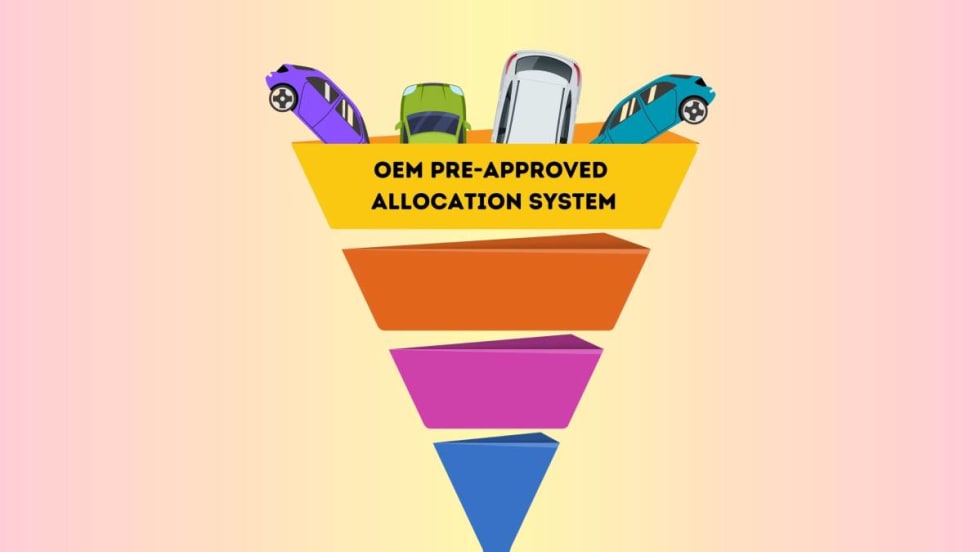
Scheduled Replacement Cycles Are Becoming a Distant Memory
The ongoing difficulty in sourcing replacement vehicles is forcing companies to extend the service lives of vehicles that are unable to be replaced, which, inevitably, increases unscheduled maintenance expenses.
Read More →
Fleet Simplification is the Antidote to Asset Variability
Fleet simplification identifies asset functions to uncover commonality among the equipment and assets. Simplification increases operational efficiency as end-users become accustomed to the controls, displays, and operation of less diverse units.
Read More →
The Dangers of Static Fleet Policies
A fleet policy is a living document, flexible enough to adapt to evolving business priorities, developing industry trends, and changing industry best practices and standards.
Read More →
Short-Term vs. Long-Term Cost Reductions
Corporate procurement staff are often driven by short-term, immediate cost reductions. However, a longer perspective to soft cost savings is critical because fixating on short-term results will hurt a company in the long run.
Read More →
Uptick in Unscheduled Maintenance Increasing Vehicle Downtime
Fleet data analysis can identify recurring downtime issues. It’s important to determine the root causes of downtime so procedures can be developed to minimize such problems.
Read More →
Eliminate Needless Curb Weight to Maximize ICE & EV Efficiencies
Vehicle weight relates directly to fuel economy. In today’s era of electrification, there is also a direct correlation between vehicle weight and battery range.
Read More →
Tech Dependence Risks Dumbing Down Fleet Manager Expertise
The line between creative thinking and problem solving and doing what the data indicates is thin. To lead in fleet management, you need to balance understanding the fundamentals and embracing what smart technology offers.
Read More →
Leverage the Synergy of Safe Driving to Achieve Sustainability and Cost Goals
Safe driving, emission reductions, and cost containment can all be achieved at the same time.
Read More →
The Playbook for Fleet Manager Success
There are many paths to success — most of them involve being flexible, open-minded, and willing to learn.
Read More →