




Do Hows My Driving Programs Really Work?
Studies show that properly managed safety hotline programs reduce crashes by 22 percent or more. These services might be available to your fleet for free.

You’ve seen the “How’s my driving?” bumper stickers on the backs of delivery vehicles and big rigs. Have you ever called the 800 number to report erratic driving? Do you think anyone answers the phone? Have you wondered about the underlying purpose of these programs, and if one could work for your fleet?
Those bumper stickers are part of a safety hotline (or driver monitoring) program. The goal of a program is, simply, to reduce vehicle crashes. As CEO of SafetyFirst Systems, LLC, Paul Farrell is part of the safety hotline industry. Farrell describes how a safety hotline program works, its effectiveness, and how to implement one.
Who Uses These Programs?
Safety hotline programs are used by a broad range of businesses, from delivery and service fleets to contractors to long-haul trucking fleets. Drivers in these situations are non-professional (except truckers) and are often more focused on the job rather than the trip. This makes them “good candidates for sloppy driving behavior,” Farrell says. Vehicle types range from sedans to light- and medium-duty trucks and vans to big rigs.
Programs are generally used by companies with fleet vehicles identified by company logos or markings. Farrell says that fleets with unmarked, anonymous vehicles (such as sales fleets) generally stay away from these programs for fear that fleet-identified vehicles expose them to the greater possibility of staged crashes and people looking to take advantage of deep pockets. Also, companies using employees’ vehicles for business resist these programs because employees don’t want the bumper sticker on their personal vehicles.
SafetyFirsts’ clients either use the service directly (generally larger, self-insured fleets) or through their insurance carrier. For direct-fleet clients, SafetyFirst charges $15 per vehicle per year, with discounts depending on fleet size. For smaller fleets, most insurance carriers pay for the program out-of-pocket — it’s free to the policyholder.
Check with your insurance company to see if it offers a program.
Why Are They Needed? The MVR Gap
Farrell offers a compelling statistic. When he worked in the loss control department at Fireman’s Fund Insurance, one of his tasks was to go through all of the litigation-driven vehicle claims that were still outstanding at the end of the year. These were claims typically over $250,000. He found that 60 percent of those claims had drivers with clean motor vehicle records up until the crash. Though not all of those drivers were at fault, Farrell says it points out the need to identify problem drivers before the information shows up on an MVR. “An analysis of motor vehicle records is a must-do, but it isn’t the end of the process,” Farrell says. “That’s why many fleets use safety hotlines to cover some of those gaps. It picks up forward-looking behavior instead of waiting for a crash.”
Even if an infraction or accident appears on an MVR, the insurance carrier is not necessarily looking for it. Many carriers no longer run MVRs for all drivers because of cost, Farrell says. Insurers instead will sample certain at-risk populations such as youthful and senior drivers, often only 25 to 30 percent of the total insured.
How Effective Are They?
Because most insurance companies pick up the cost of a driver-monitoring program, they continually conduct studies to measure a program’s effectiveness. Results range from at least a 20-percent reduction in claims to a 52-percent loss dollar reduction.
Fireman’s Fund Insurance conducted a three-and-a-half-year study of 30,000 vehicles spread across 200 fleets. The study pool included small fleets, large fleets such as Western Exterminator (900 vehicles), and fleets of tractor-trailers. The study found that fleets using a safety hotline program saw an average across-the-board reduction in crashes of 22 percent.
The study also found that about 80 percent of all the drivers in these fleets never received a complaint. Of the 20 percent of the drivers who got calls, about half, 10 percent of the total, got only one call ever. The problem drivers comprise the last 10 percent. This group should be identified as soon as possible. “If they are indeed driving in a dangerous fashion you’ll probably get a report on them very quickly,” Farrell says. These behaviors can thus be identified long before they turn up as infractions or accidents on an MVR.
The companies with the best results were the ones that consistently conducted prompt counseling sessions and returned the reports. The ones that merely applied the stickers showed only about a 3-percent reduction in crashes. “Just putting a sticker on a truck isn’t going to make a difference in someone’s behavior,” Farrell says. “Talking to them about the reports will.” Farrell says safety hotlines are best used as complements to existing safety initiatives, such as motor vehicle record checks, recognition programs, safety classes, and behind-the-wheel training.
Because follow-through on the reports is so crucial, Farrell says Safety-First turns down 20 percent of all the leads supplied by insurance carriers. “It’s in our best interest to stay away from a company that won’t take the program seriously,” he says.
Other Benefits, Cautions
Farrell says evidence of a properly managed safety hotline program can help protect against a negligent entrustment lawsuit. The signed report from the counseling session becomes a positive paper trail that the company took action on a dangerous situation.
Reducing aggressive driving can lessen wear and tear on a vehicle, which in turn lowers maintenance and fuel costs.
A safe-driving employee will avoid an increase in personal insurance rates.
Costs per vehicle range from $10-$16 a year. Programs vary. Some are strictly Internet or voicemail based (i.e., no live operators). Some programs offer employment-screening services in conjunction with the safety hotline. Other companies avoid outsourcing altogether and set up an in-house program.
Farrell cautions that programs without live operators may have lower fees, but also lower complaint follow-up rates. Make sure operators are specifically trained for driver-safety complaints.
More Safety
The Safest Fleets Aren’t the Ones with the Most Technology
You’ve made the telematics investment. Here’s how to capture the other half of its value and build the safest fleet on the road.
Read More →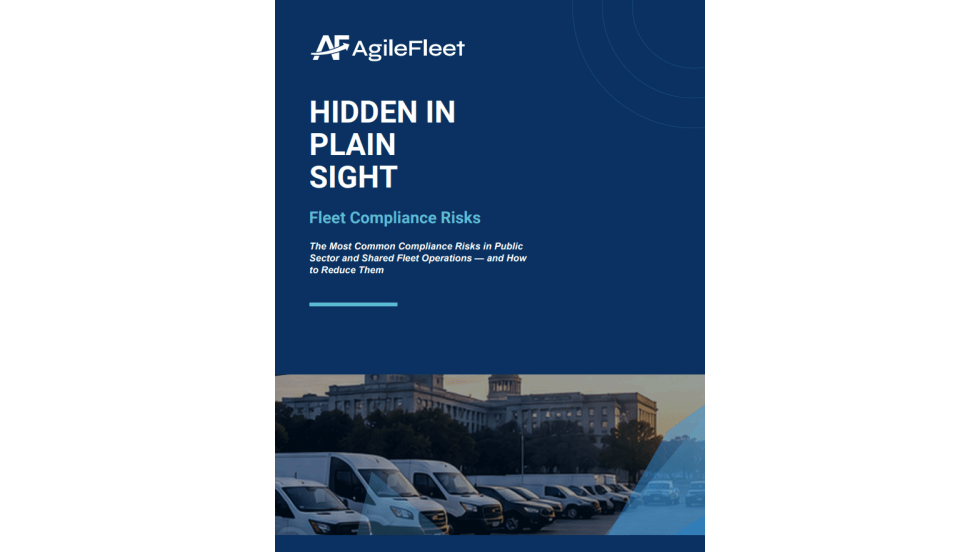
Hidden in Plain Sight: Fleet Compliance Risks
Fleet compliance isn't just about having policies — it's about consistently enforcing them. This practical guide reveals six hidden compliance risks common in public sector and shared fleet operations and outlines proven strategies to improve visibility, accountability, and audit readiness
Read More →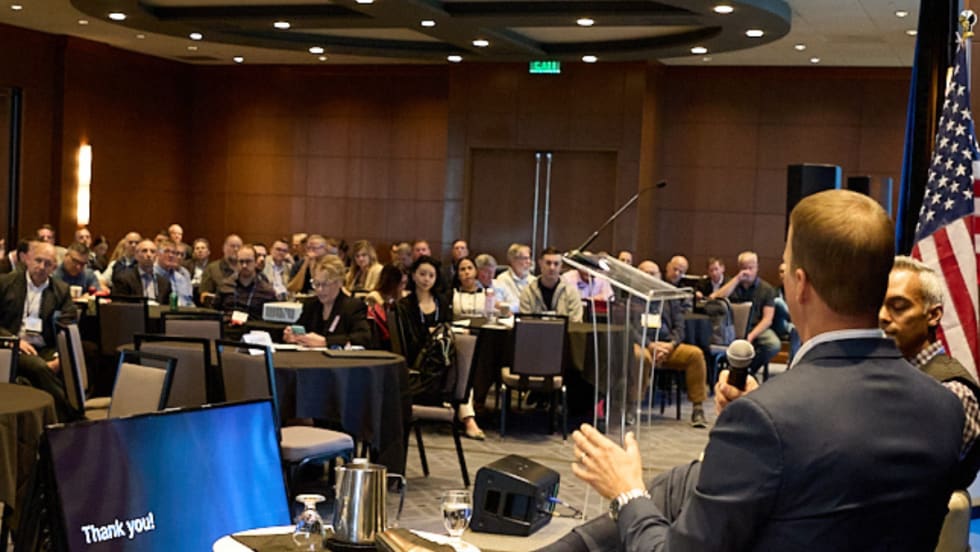
NETS Sets 2026 Fleet Safety Benchmark Conference for Indianapolis
The Sept. 15–17 program will feature fleet benchmarking data, case studies, emerging technologies, and implementation strategies while running alongside the NSC Safety Congress & Expo.
Read More →
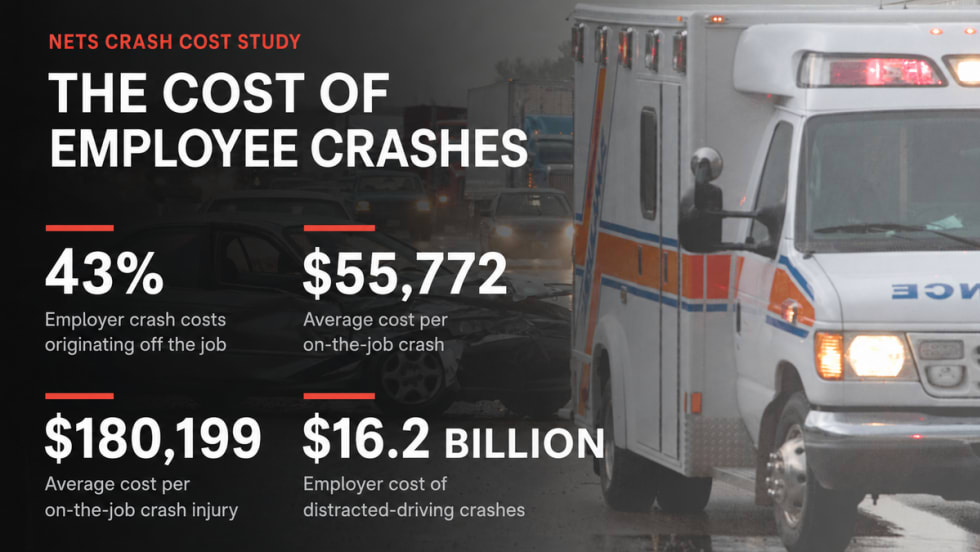
Off-the-Job Crashes Account for 43% of Employers’ $61.7 Billion Crash Burden
NETS quantifies costs dispersed across fleet, risk, HR, and other departments while providing new per-crash benchmarks for employers.
Read More →
Ram Recalls More Than 1.27 Million 1500 Pickups for Seat Belt Anchor Issue
The recall affects certain 2019-2026 Ram 1500 pickups that may have improperly attached second-row seat belt buckle anchors.
Read More →
How Better Visibility Cut Speeding Violations by 48%
Fleet leaders don't need more data, they need clearer visibility into what the data is saying. This case study explores how one utility replaced speeding-event counts with a single metric — miles driven in violation — to strengthen safety and significantly reduce speeding violations.
Read More →
Operation Safe Driver Week: Why the Industry's Oldest Safety Campaign Still Matters to Fleets
A look at how a 2007 enforcement initiative became one of the most consequential weeks on the fleet safety calendar, and what it means for your drivers in 2026.
Read More →
Nexar-Nauto Merger Aims to Give Fleets Better Safety Intelligence Through Larger Driving Dataset
Stefan Heck tells Automotive Fleet that combining more than 10 billion miles of driving history with Nexar's AI models will give fleets deeper insights into driver risk and roadway conditions than either company could provide independently.
Read More →
From Silos to Solutions: Relationship Management for Safer Fleets
From telematics adoption and driver accountability to policy consistency and risk mitigation, this episode breaks down what it really takes to build a safer fleet culture without slowing business down.
Read More →
IIHS Launches First Commercial Vehicle Safety Evaluations
The Insurance Institute for Highway Safety has begun evaluating heavy-duty pickups and cargo vans for driver protection. Which models earned top marks?
Read More →