




New York Rationing Gasoline After Storm Disrupts Fuel Supply
New York’s Governor Andrew Cuomo has ordered gasoline rationing for New York City and Nassau and Suffolk Counties to reduce lines at retail gas stations after the nor’easter storm disrupted power to a terminal served by the Buckeye pipeline.
New York’s Governor Andrew Cuomo has ordered gasoline rationing for New York City and Nassau and Suffolk Counties to reduce lines at retail gas stations after the nor’easter storm disrupted power to a terminal served by the Buckeye pipeline. New York City's Mayor Michael Bloomberg also issued a similar order, which will take effect at 6:00 a.m. on Friday Nov. 9.
According to Cuomo’s Nov. 8 statement, the rationing plans impose odd-even rules on the purchase of gasoline for non-commercial vehicles. Cuomo stated that Westchester, Rockland, and Orange will not have to implement fuel management rules at this time.
The rationing rules state that drivers with license plates ending in an even number will be able to buy fuel only on even-numbered days of the month. Drivers with license plates ending in an odd number will be able to buy fuel on only odd-numbered days of each month. License plates without numbers are considered odd-numbered under these rules. The Governor’s office stated that out-of-state plates are subject the same rules.
NYC's Bloomberg's order does not apply to authorized emergency vehicles, buses, paratransit vehicles, commercial vehicles, vehicles with Medical Doctor license plates, taxis, and other for-hire vehicles licensed by the New York City Taxi and Limousine Commission.
The Buckeye pipeline pumps roughly 4.5 million gallons of gasoline per day into New York City and Long Island. Although power to the terminal was restored on Nov. 8, the temporary outage disrupted the fuel supply. The Governor’s office stated that the fuel supply to the northern suburbs were unaffected by the terminal going offline.
You can read more of Automotive Fleet's coverage of the fuel supply challenges in the northeast here.
Updated 11/8/2012 at 4:00 p.m. PST with information about NYC rule.
More Fuel
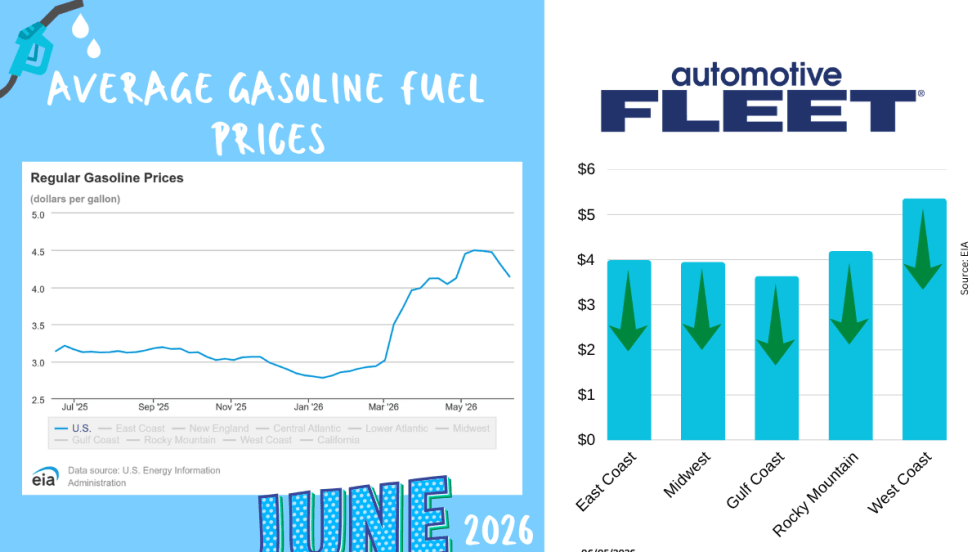
June Fuel Update: Prices Continue to Fall
While prices have continued to decline for four straight weeks, the next weeks don't look as promising.
Read More →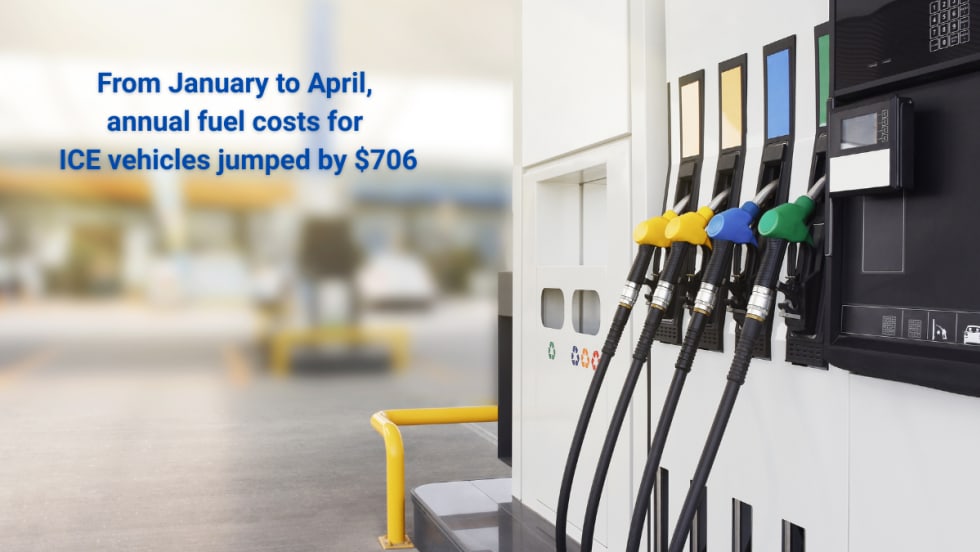
Study: How 2026's Gas Price Hikes Affect Different Vehicle Types
New data from iSeeCars reveals how rising fuel costs have affected different vehicle segments as gasoline prices climbed nearly 46% over the past four months.
Read More →
Are You Tracking Your Fleet's True Total Cost of Ownership?
Bobit Business Media surveyed 190 fleet professionals and found that while most fleets are tracking costs, fragmented systems and data gaps are keeping true TCO visibility out of reach. With rising pressure to control spend in an increasingly volatile environment, the gap between what fleets think they know and what the data actually shows is wider than you might expect. See how your peers are managing costs today and where the industry still has room to improve.
Read More →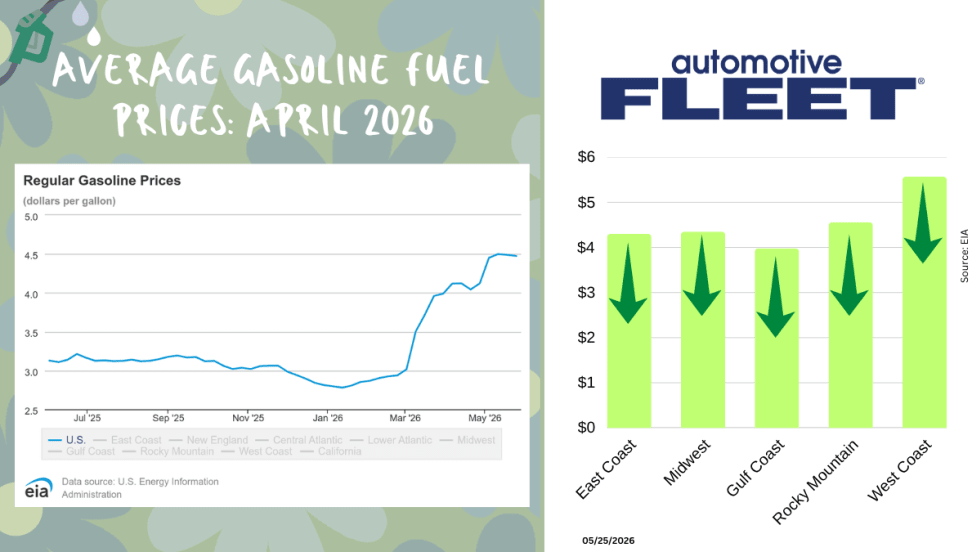
May Fuel Update: All Regions Experience Declines
Gas prices are finally easing in much of the country, but experts warn global tensions could quickly reverse the trend as the national average remains well above last month’s levels.
Read More →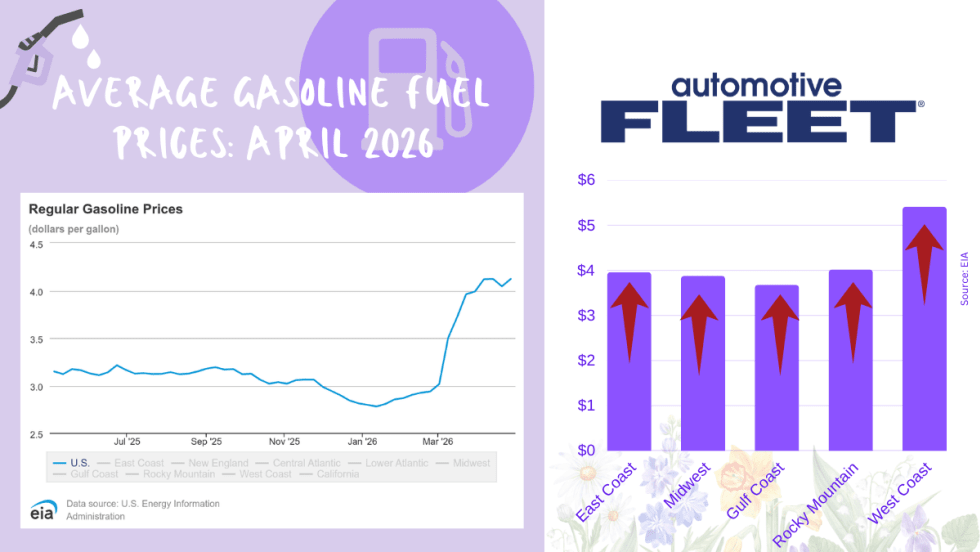
April Fuel Update: Prices Climb Above $4 as Spring Surge Accelerates
National average jumps to $4.04 per gallon, up sharply from last year, with West Coast prices topping $5 and further increases expected amid rising oil tensions.
Read More →
Tips from Fleet Managers on Saving Fuel Costs
Fleet leaders share practical strategies to reduce fuel spend through smarter policy, routing, and driver guidance.
Read More →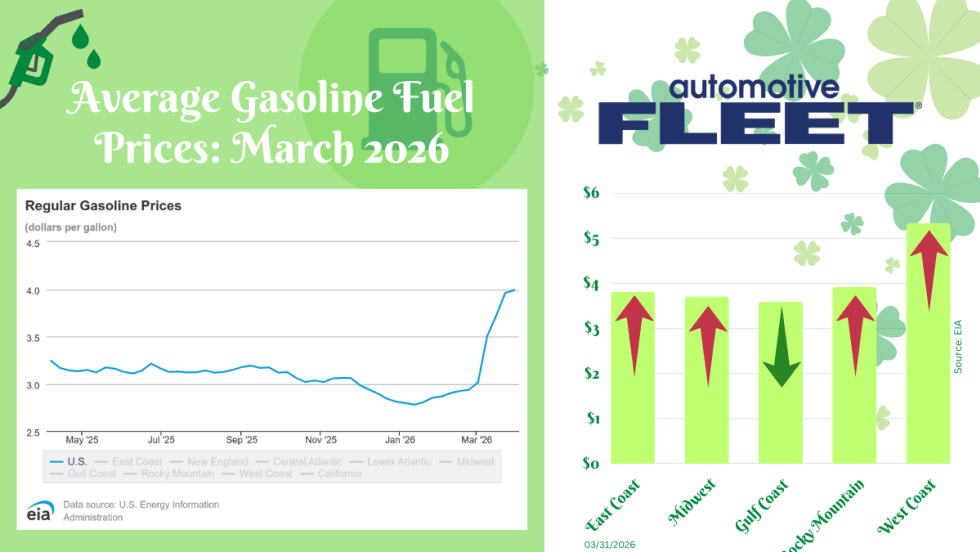
March Fuel Update: Prices Settle With a $4 Average
Fuel prices significantly slowed this week, but a $4 national average is still expected.
Read More →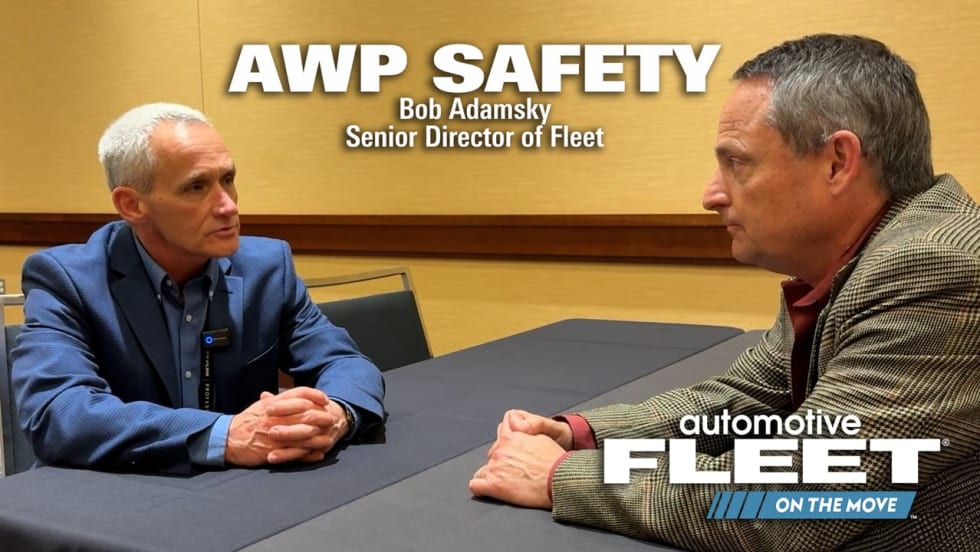
Bob Adamsky on Fuel Volatility: “Don’t Panic — Have a Plan”
With oil prices rising again, AWP Safety’s fleet manager shares how to respond to rising fuel costs and how the right strategy can turn fuel spikes into cost-saving opportunities.
Read More →
Oil Market Turbulence Is Complicating Fleet Cost Planning
Rapid swings in crude oil prices driven by the conflict in the Middle East could create longer-term cost pressures for fleets, affecting fuel prices, supply chains, and vehicle strategy, says NTEA’s Andrew Wrobel.
Read More →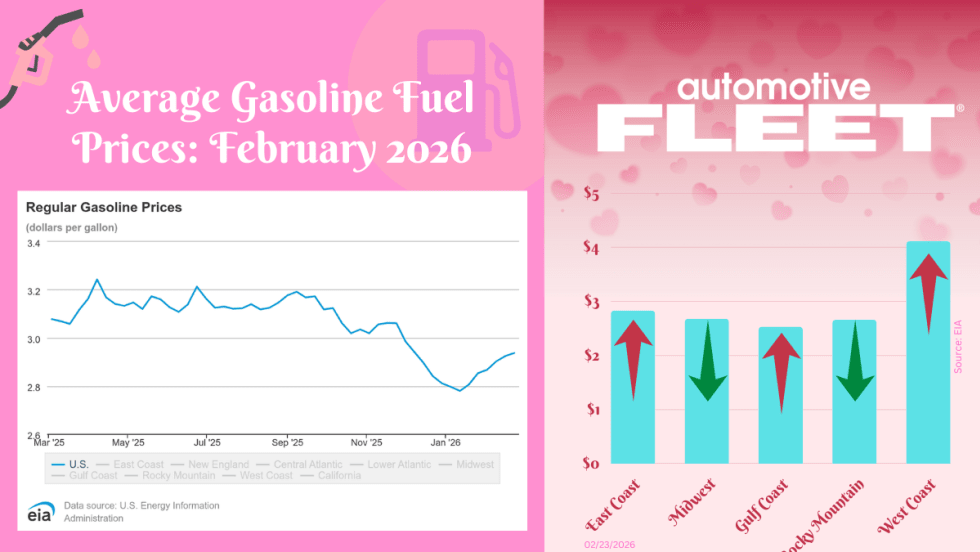
February Fuel Update: Prices Inch Higher for Third Week in a Row
The final February fuel update reveals prices continuing to inch higher for the third week in a row.
Read More →