




FedEx Report Shows 15.1% Fleet Fuel Economy Improvement as of 2010
MEMPHIS, TN – FedEx released its 2010 Global Citizenship update, which had insight into how the company is improving its fleet’s fuel economy, the alternative-fuel vehicles it’s using and the company’s routing technologies.
MEMPHIS, TN – FedEx released its 2010 Global Citizenship update, which provided insight into how the company is improving its fleet’s fuel economy, the alternative-fuel vehicles it’s using and related CO2 emissions reductions, and the benefits the company's routing system offers.
The company’s report shows it was able to reduce the amount of fuel consumed by 276,000 gallons with its fleet of 408 electric-vehicle and hybrid-electric vehicles. This also reduced CO2 emissions by nearly 2,800 metric tons. In terms of overall fleet fuel efficiency, the company was able to improve its fuel economy by a total of 15.1 percent in 2010 since it started focusing on this effort in fiscal-year 2006. The company's goal is to have improved fleet fuel efficiency by 20 percent by 2020.
The company also recently announced that it is rolling out 4,000 new trucks for its FedEx Express division (primarily BlueTEC clean diesel Sprinter vans), which is part its efforts to meet its fuel-efficiency goals.
One of the more interesting items mentioned in the report is the company’s routing technology, which it calls Route Optimization and Decision Support (ROADS). The company said this helps it streamline everything in its FedEx Express operations, from sorting and loading packages to delivering them. The computer-assisted planning provided by ROADS helps FedEx Express station managers change vehicle routes daily regardless of the volume of incoming packages. The system also creates “what-if” scenarios to help managers alter their delivery zone boundaries. The system is also used to help train new employees by helping them make better routing decisions. The company said it uses the ROADS system when a region experiences weather that disrupts normal routes to redraw territory boundaries, for example in areas hit by flooding, tornadoes, snowstorms, or other types of inclement weather.
The report also discussed its Eco-Driving program that it began in Japan. FedEx collaborated with Isuzu to create the program. The program identified 20 actions that can decrease fuel use and emissions, including gentle acceleration, flat speed, early-off acceleration, careful use of air-conditioning, and idle-time reduction. The report said FedEx is using stickers in the vehicles to help reinforce program principles. FedEx said it plans to roll out this program globally but will first use it in the near future in Asia.
More Fuel
Fuel Prices Surge in September | September Fuel Update
September brought major fuel price swings, including diesel crossing $6 a gallon. Here’s how gas and diesel prices changed throughout the month, and where they stood heading into October.
Read More →
Turning Fleet Payment Data into Executive Insights
Ramel Lindsay of U.S. Bank Voyager discusses how fleets can transform payment and transaction data into actionable intelligence to reduce costs, improve oversight, and support executive decision-making.
Read More →
Why the IRS Raised Its Mileage Rate in the Middle of 2026
Fuel-price volatility drove the rare increase to 76 cents per mile, the fifth midyear adjustment since 2000.
Read More →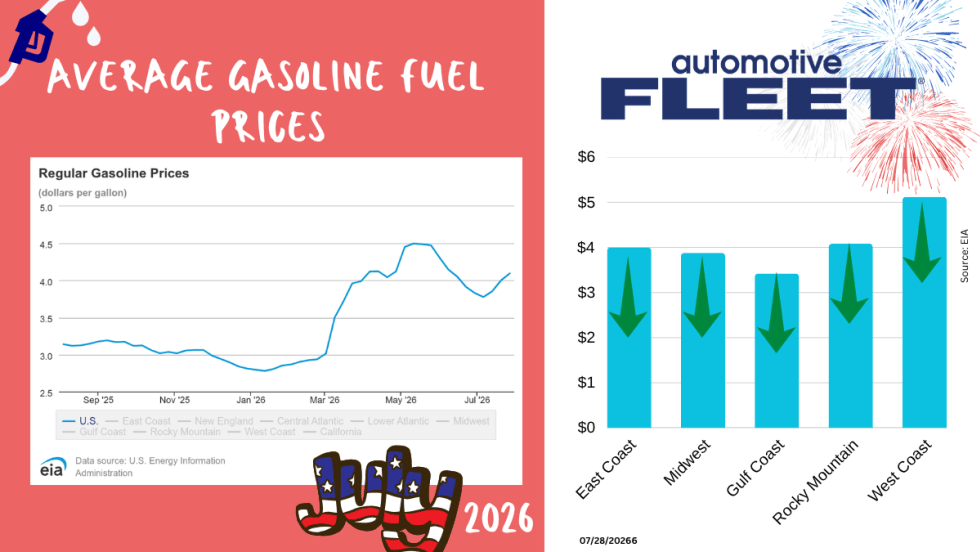
July Fuel Update: Prices Keep Rising in Light of More Conflict
Gas prices continue to rise as more and more conflicts do, too.
Read More →
Bob Adamsky on Fuel Volatility: "Don't Panic, Have a Plan."
When it comes to up and down fuel prices, Adamsky has a message for fleets: “Don’t panic.”
Read More →
How Fleets Can Gain Control of Non-Fuel Spend
Fuel often gets the spotlight, but non-fuel expenses can have a major impact on fleet costs. Ramel Lindsay of U.S. Bank Voyager discusses how fleets can gain better visibility and control over these often-overlooked expenditures.
Read More →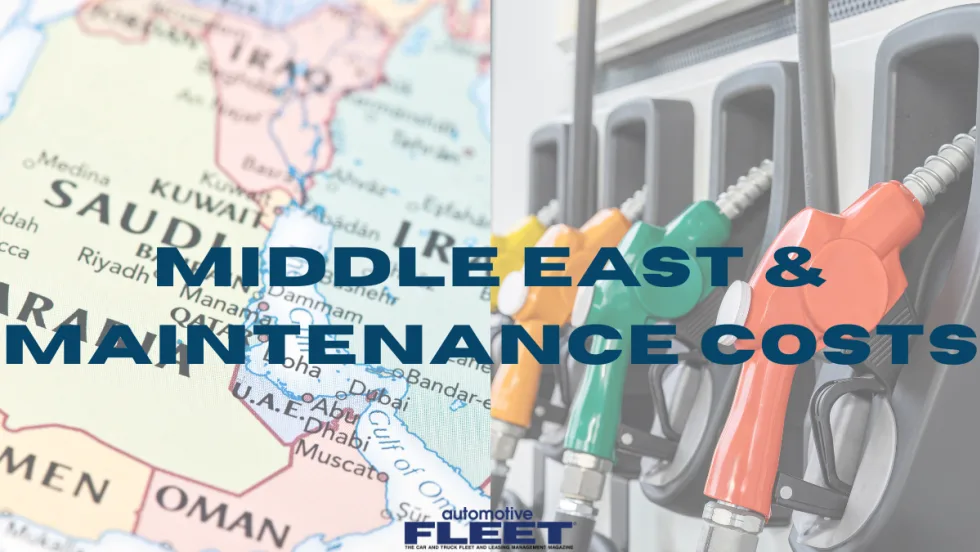
Fuel is Just the Start: How Middle East Tensions are Driving Up Fleet Maintenance Costs
The Middle East conflict is doing more than pushing up fuel prices. It’s also raising the cost of key maintenance products your fleet depends on, from motor oil to tires to windshield wipers. Here’s what you need to know about this budget-busting situation.
Read More →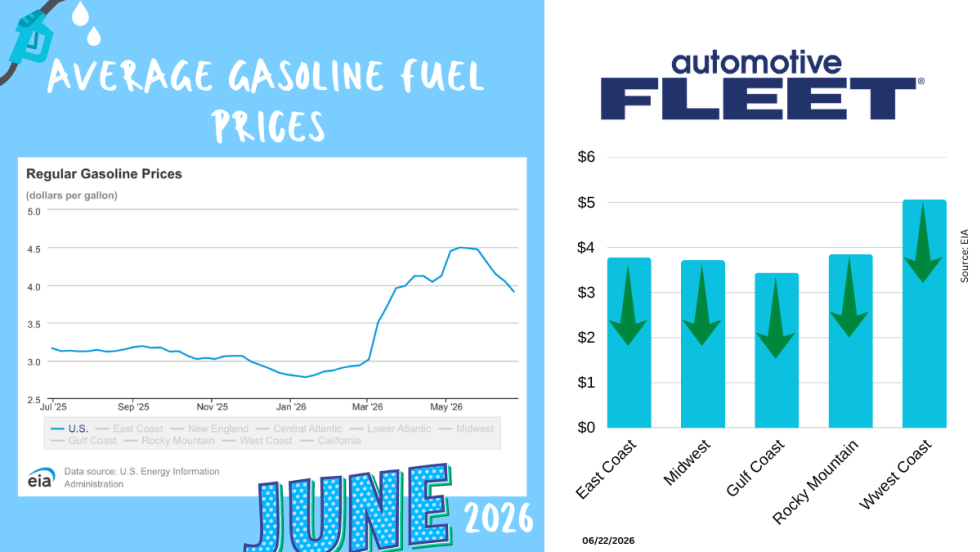
June Fuel Update: Prices Fall Below $4
Drivers are finally getting some relief at the pump. The national average gas price has dropped below $4 a gallon for the first time in months, with prices falling in 47 states as oil markets react to developments in U.S.-Iran negotiations.
Read More →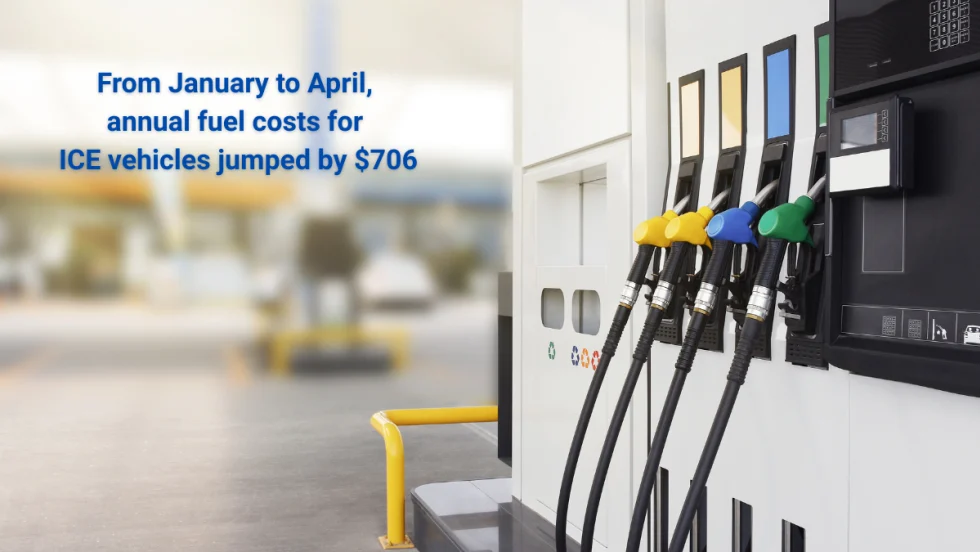
Study: How 2026's Gas Price Hikes Affect Different Vehicle Types
New data from iSeeCars reveals how rising fuel costs have affected different vehicle segments as gasoline prices climbed nearly 46% over the past four months.
Read More →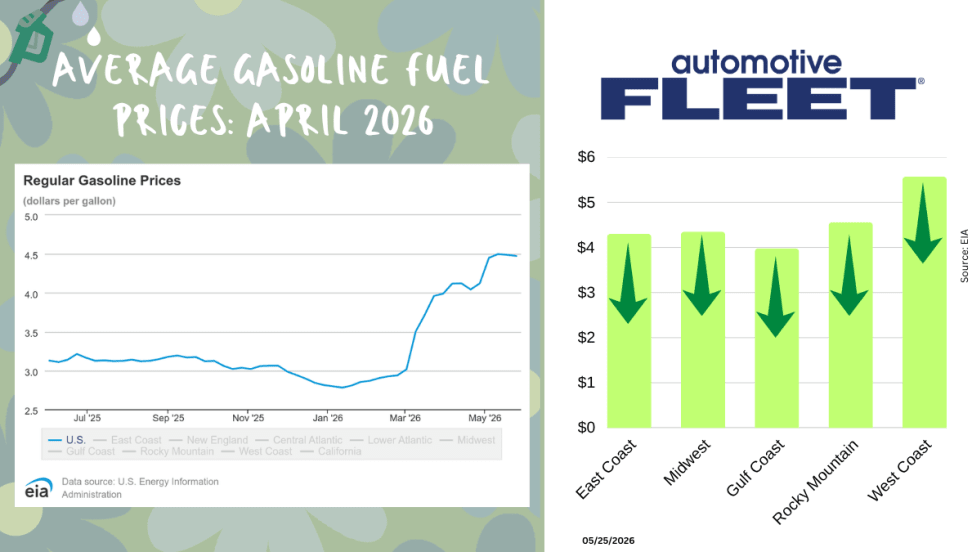
May Fuel Update: All Regions Experience Declines
Gas prices are finally easing in much of the country, but experts warn global tensions could quickly reverse the trend as the national average remains well above last month’s levels.
Read More →