




UPS Testing Composite Delivery Trucks
ATLANTA– UPS’s Automotive division is testing new CV-23 delivery truck prototypes it had custom built by working with Utlilimaster/Isuzu.
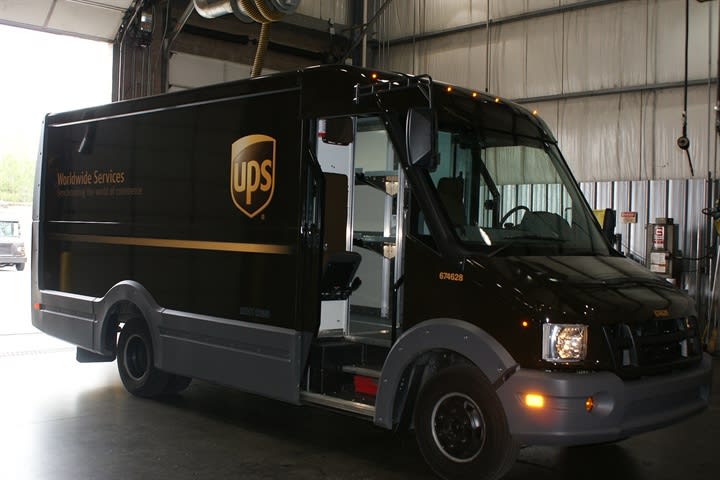
The CV-23's cost is comparable to the P70, according to UPS.
ATLANTA – UPS’s Automotive division is testing new CV-23 delivery truck prototypes it had custom built by working with Utlilimaster/Isuzu. UPS hopes these vehicles will provide improved fuel economy characteristics and be able to withstand the rigors of long-haul routes.
The CV-23’s four-cylinder diesel engine can produce 150-horsepower. It’s mated to a six-speed Aisin automatic transmission. UPS said the engine is smaller than the diesel engine used in its P70 delivery truck, and the company is hoping for a 40-percent reduction in fuel use when compared with the P70. Other vehicle characteristics include lighter vehicle weight, approximately 1,000 lbs. less than the P70 (due to the use of ABS plastic), and somewhat less cargo room, with 630 cu. ft. of space compared with 700 cu. ft.
“The UPS Automotive group worked closely with Utilimaster / Isuzu on the engineering requirements to take an ‘off the shelf’ chassis and custom-modify the cab and cargo areas to meet UPS operations requirements while working to save weight and utilize a smaller engine,” said Michael French, public relations supervisor for UPS.

The company is testing the vehicles currently and plans to conclude testing in December. The regions the company is testing these vehicles in include Lincoln, Neb., which has rough back roads; Albany, N.Y, to test the vehicles in tough winter conditions; Tuscon, Ariz., to test them in desert heat; Flint, Mich., which has a long urban route near Isuzu’s headquarters; and Roswell, Ga., which is close to UPS’ corporate automotive department.
The company is basing future purchase decisions related to this prototype vehicle on these tests, French said.
“This test will help UPS determine what the durability and lifespan of this vehicle would be under constant operating conditions,” he said. “If the vehicle holds up to the rigors of UPS's delivery network, and if it achieves a 40 percent increase in fuel efficiency, we would consider purchasing CV-23 vehicles to incorporate into our fleet as the next step in our continuing effort to reduce our dependence on imported fuel.”
One main reason the company is going this route with regard to a potential fleet vehicle is cost.
“The cost of the CV-23 is comparable with the P70,” French said. “That is one of the advantages of this vehicle - it has cost parity due to the use of traditional diesel drivetrains.”
UPS’ French said the company regularly pursues technological innovations to improve its fleet efficiency, from alternative fuels and technologies, such as hybrid-electric or liquefied natural gas, to working on improving current technologies.
“Our telematics system monitors and collects data on vital vehicle systems so our maintenance teams can predict repairs and keep maintenance costs lower on every vehicle in our fleet,” French said. “This test of composite vehicles is one of many improvements UPS Automotive actively explores.”
By Greg Basich
More Fuel

Fuel Prices Surge in September | September Fuel Update
September brought major fuel price swings, including diesel crossing $6 a gallon. Here’s how gas and diesel prices changed throughout the month, and where they stood heading into October.
Read More →
Turning Fleet Payment Data into Executive Insights
Ramel Lindsay of U.S. Bank Voyager discusses how fleets can transform payment and transaction data into actionable intelligence to reduce costs, improve oversight, and support executive decision-making.
Read More →
Why the IRS Raised Its Mileage Rate in the Middle of 2026
Fuel-price volatility drove the rare increase to 76 cents per mile, the fifth midyear adjustment since 2000.
Read More →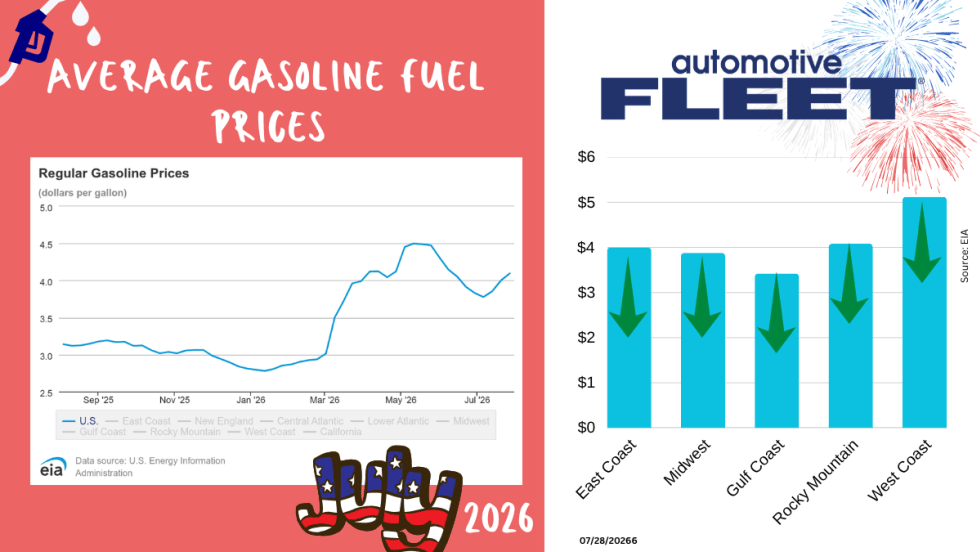
July Fuel Update: Prices Keep Rising in Light of More Conflict
Gas prices continue to rise as more and more conflicts do, too.
Read More →
Bob Adamsky on Fuel Volatility: "Don't Panic, Have a Plan."
When it comes to up and down fuel prices, Adamsky has a message for fleets: “Don’t panic.”
Read More →
How Fleets Can Gain Control of Non-Fuel Spend
Fuel often gets the spotlight, but non-fuel expenses can have a major impact on fleet costs. Ramel Lindsay of U.S. Bank Voyager discusses how fleets can gain better visibility and control over these often-overlooked expenditures.
Read More →
Fuel is Just the Start: How Middle East Tensions are Driving Up Fleet Maintenance Costs
The Middle East conflict is doing more than pushing up fuel prices. It’s also raising the cost of key maintenance products your fleet depends on, from motor oil to tires to windshield wipers. Here’s what you need to know about this budget-busting situation.
Read More →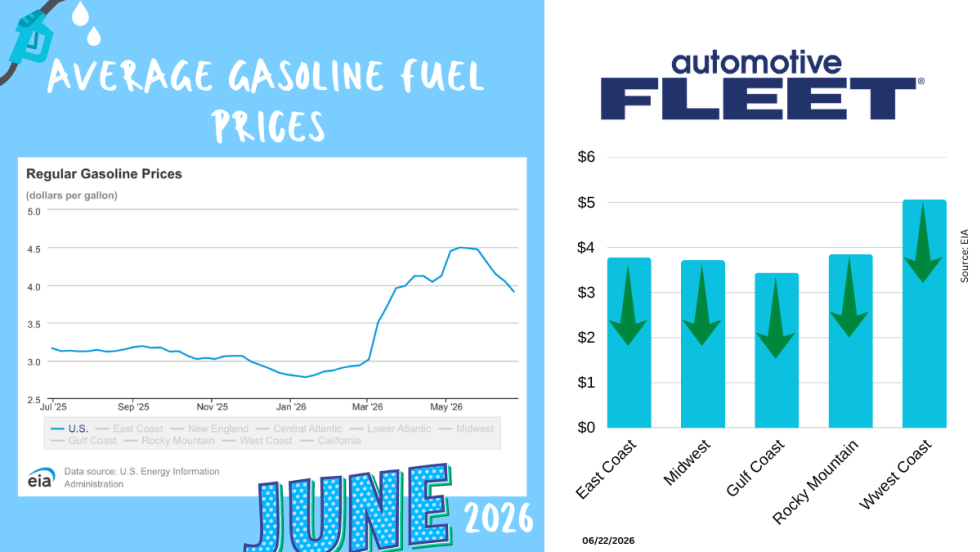
June Fuel Update: Prices Fall Below $4
Drivers are finally getting some relief at the pump. The national average gas price has dropped below $4 a gallon for the first time in months, with prices falling in 47 states as oil markets react to developments in U.S.-Iran negotiations.
Read More →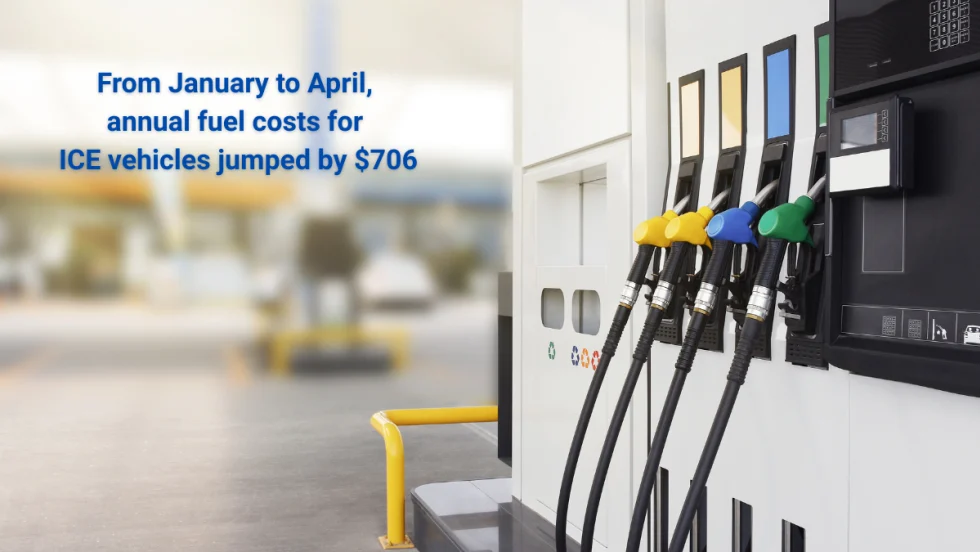
Study: How 2026's Gas Price Hikes Affect Different Vehicle Types
New data from iSeeCars reveals how rising fuel costs have affected different vehicle segments as gasoline prices climbed nearly 46% over the past four months.
Read More →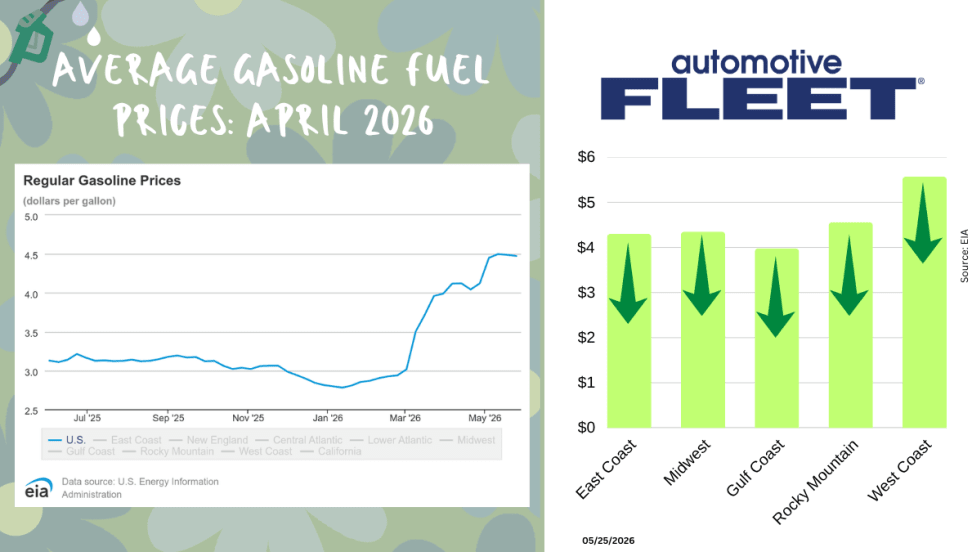
May Fuel Update: All Regions Experience Declines
Gas prices are finally easing in much of the country, but experts warn global tensions could quickly reverse the trend as the national average remains well above last month’s levels.
Read More →